
Photography is one of the best hobbies you can pick up: you can start today with the phone in your pocket, and there is always more to learn. The easiest way in is street photography, because it needs no travel and no models, just a walk through the place where you already live.
I'm Olivier Duong. I got into photography as a hobby, wasted years and a lot of money on the wrong things, and eventually co-founded Inspired Eye, a street photography magazine, with Don Springer. This guide is what I wish someone had told me at the start.
Is photography a good hobby?
Yes. A good new hobby gets you out of your head and gives you something to get better at for years. Photography does all of that for very little money if you're careful.
- It gets you outside. Most photography happens on foot. An hour of street photography is an hour of walking.
- It changes how you see. After a few months you notice light on buildings and faces in crowds that you walked past before.
- You never run out of things to learn. Light, composition, timing and editing each take years to master, and that's the fun part.
- It fits any schedule. Ten minutes on a lunch break counts. So does a Sunday morning.
- You end up with something. Photos of your town and the people in it. They get more valuable every year.
It also calms a lot of people down. I explain why in my guide to mindful photography.
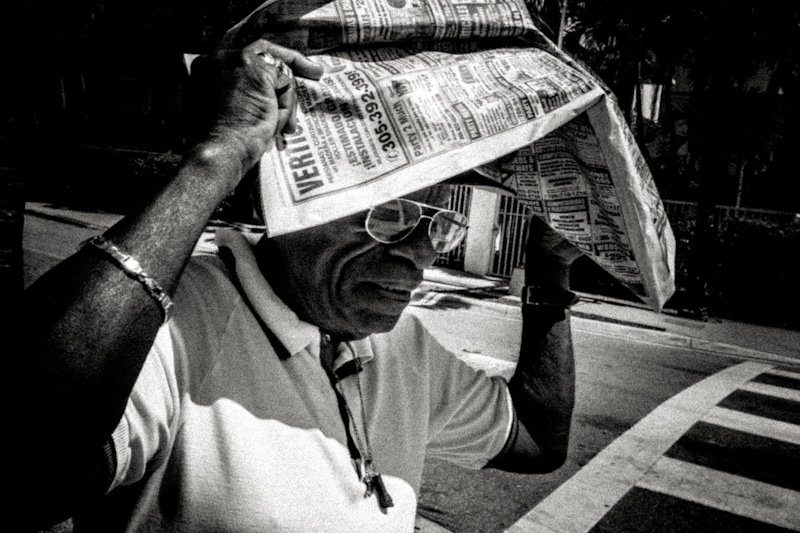
The honest downsides
Photography has two traps, and most hobbyists fall into at least one.
Gear. Photography can get expensive fast, and not because you need the gear. I started with a used Nikon D80 and then went through a Samsung NX, Pentax lenses, several film cameras and even a custom large format 4x5 camera. I made about seven shots with that large format camera and lost roughly $800 when I sold it. I once worked out that the money I lost buying and selling gear could have grown to around $10,000 if I'd invested it. The name for this is Gear Acquisition Syndrome, or GAS. The lie behind it is that the next camera will make you a better photographer. It won't. Practice will, and my guide on how to take better photos shows where to put it.
Comparison. Online, you see everyone's best pictures and none of their misses. It's easy to feel you'll never be good enough. Remember that every famous photographer's book is a tiny selection from a huge pile of ordinary frames.
Know both traps before you start and they lose most of their power.
Why street photography is the easiest way in
Most genres need something you may not have. Landscape needs travel and early mornings in remote places. Portraits need willing models. Wildlife needs long lenses and patience in a hide. Studio work needs lights and space.
Street photography needs a street. That's it.
- Any camera works. A phone, a compact, a secondhand DSLR, an old film camera. Many famous street photographs were made with simple cameras.
- Your subject is everywhere. A big city, a small town, a market, a bus stop.
- It teaches everything else. Street trains you to compose fast and read people. Those skills carry into every other genre.
- It fits real life. You can shoot on the way to work or while running errands.
The best example of a street photography hobbyist is Vivian Maier. She worked most of her life as a nanny and shot on her days off. She left behind at least 100,000 images that nobody saw until John Maloof bought part of her archive at auction in 2007. She never made a living from photography. It was her hobby, and it became one of the great bodies of street work.
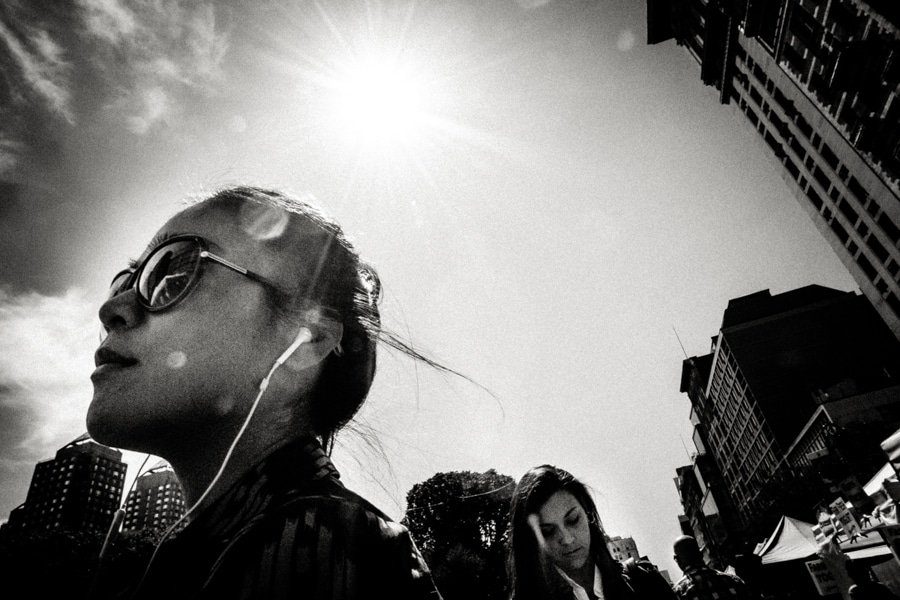
How to get into photography as a hobby
- Start with what you have. If you own a smartphone with a decent camera, you're ready. Use it for a month before you buy anything. My tips on how to take better iPhone photos work for most phones.
- Learn the basics of exposure. Understand how aperture, shutter speed and ISO work together. The exposure triangle explains it in plain words, and street photography settings gives you a starting point to copy.
- Learn composition early. Composition matters more than any setting. Start with photography composition, then try leading lines and framing.
- Go out on a schedule. Put it in your calendar like a gym session. Regular practice beats talent. My free 30-day photography challenge gives you one prompt a day.
- Look at great photographs. Inspiration is food for your photography. Spend time with the street photographers who came before you.
- Edit and keep only your best. Learn to cull. Beginners keep too much. A free editing app is enough at first, and Lightroom is there when you want more control. My guide to editing street photography covers the basics.
- Make something with your photos. Print them, make a small photo zine or build a photography portfolio. Finishing something keeps you going.
If you're nervous about pointing a camera at strangers, that's the most common worry in street photography. Read how to overcome the fear of street photography and is street photography legal before your first walk.
What camera should a hobbyist buy?
Maybe none, at first. After a month with your phone, you'll know what frustrates you, and that tells you what to buy.
When you're ready for a dedicated camera, small beats big for street photography. A compact camera with a fixed wide lens, like a Ricoh GR or a Fujifilm X100 series camera, is easy to carry every day and draws less attention than a big DSLR. A used mirrorless camera with a small prime lens is a cheaper route. Film is fun too, and slows you down. My guides to the best camera for street photography and the best film camera for beginners go through the options.
Whatever you buy, stick with it. Learn it so well that you stop thinking about it. The camera you carry every day will teach you more than the one you keep upgrading.
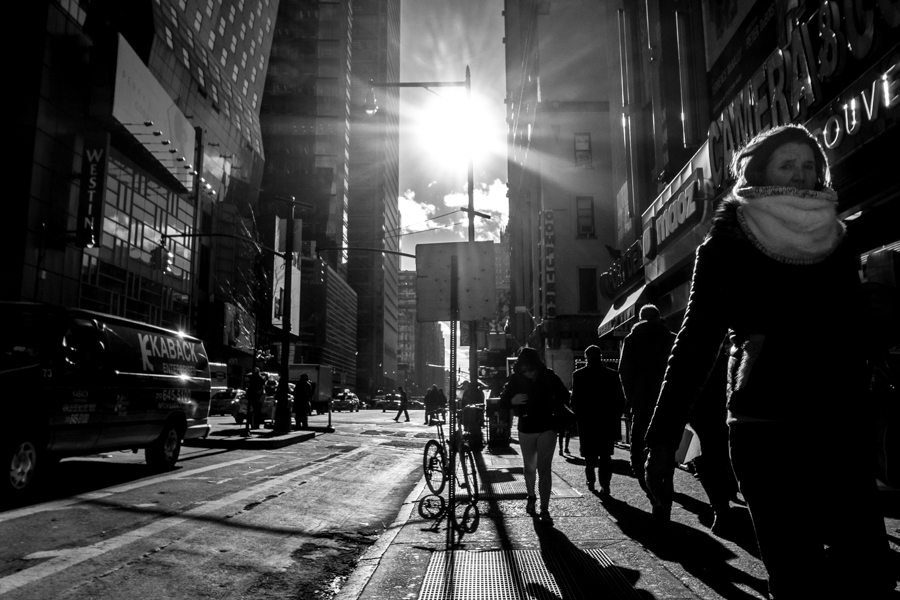
How to keep the hobby going
Every photographer loses steam at some point. I still do. Here's what helps me.
- When you feel down about your photos, go shoot. Doing the work is the quickest remedy I know.
- Look back at your old work. Compare this year with last year. You'll see progress you didn't notice.
- Know why you shoot. I call photographers who shoot with no reason "zombie photographers." They go through the motions. Ask yourself what you want your pictures to say.
- Shoot what matters to you. My biggest early mistake was photographing what I thought photography should be about. I have almost no real pictures of my mother, whom I lost in the Haiti earthquake. Photograph your people and your place.
- Rest when you need to. Sometimes you need a break. Take it, then come back recharged.
Other photographers help too. A local camera club or a photo walk group gives you company and a reason to go out. Online forums work if you treat likes with suspicion.
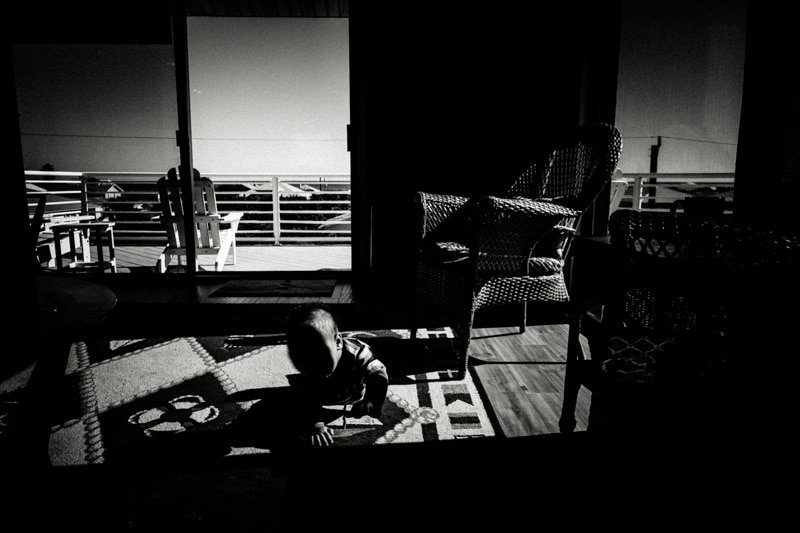
Is photography a good hobby for adults over 50?
Yes, and plenty of people take it up at 50, 60 or later. It keeps you walking and curious, and the skills build on life experience. Reading people and noticing small moments come more easily with age. Street photography in particular needs no heavy kit: a small camera and comfortable shoes will do.
Many older beginners worry about the technical side. It's less than it looks. A few settings and a handful of composition ideas cover most situations.
Should you pay to learn photography?
You don't have to. Free tutorials cover the technical side well. What they rarely give you is structure: a clear order to learn things in, so you stop collecting tips and start seeing progress. An online course can give you that. One Reddit user asked, "Why so hard to invest money in something you really want to do?" Spending on learning feels harder than spending on gear, even though learning is what changes your pictures. When friends ask what to get you, send them my gifts for photographers list, which leans toward books and learning over gear.
If you want that structure for street photography, Don Springer and I made Phototactic, an online street photography course. It's short recorded videos on seeing picture patterns, composition, emotion and managing the fear of shooting strangers. It works with any camera, and a bonus Photography Basics course covers the camera settings. It's $297 as one payment with a 60 day money back guarantee. It doesn't include feedback on your photos or a community. If you'd rather start free, begin with street photography for beginners, or compare options in the best street photography courses.
Frequently Asked Questions
Is photography a good hobby?
Yes. You can start with a phone, and there is always more to learn. It fits any schedule and leaves you with photos of your life that grow more valuable over time. The main risks are overspending on gear and comparing yourself to others, and both are easy to avoid once you know about them.
How do I get into photography as a hobby?
Start with the camera you already have, even a phone. Learn the basics of exposure and composition, then go out on a regular schedule, even for twenty minutes. Keep only your best shots and make something with them, like a print or a small zine. Buy a dedicated camera only after you know what you need.
Is photography an expensive hobby?
It doesn't have to be. A phone is enough to learn composition and light, and a used compact or mirrorless camera costs far less than new flagship gear. Photography gets expensive when you keep upgrading, a habit known as Gear Acquisition Syndrome. Spending on learning usually improves your pictures more than spending on equipment.
What type of photography is best for beginners?
Street photography is one of the easiest to start because it needs no travel and no models. You shoot everyday life wherever you are, with any camera. It also trains core skills, like composing quickly and anticipating moments, that transfer to every other genre.
Can I make money from photography as a hobby?
Some hobbyists sell prints or take small jobs, and a few become professional photographers, but it's hard, and chasing money can drain the fun. Treat any income as a bonus. Vivian Maier, one of the most celebrated street photographers, never earned a living from her pictures. Most people get more from photography as a hobby when it stays a hobby.