
A strong photography portfolio holds 10 to 20 of your best photos, built around one theme and shown in a deliberate order. Build it by gathering candidates, cutting hard, sequencing what's left with a strong opener and closer, then putting it where people will see it, on a simple website or in print.
I'm Olivier Duong. For years I edited and sequenced the work of every photographer featured in Inspired Eye, the magazine I made with Don Springer. I saw hundreds of submissions, and the portfolios that stood out were rarely the ones with the most photos. They were the ones where every frame belonged. Here is the process I used, adapted for your own street photography.
What is a photography portfolio?
A photography portfolio is a small, curated selection of your photographic work that shows what you do and how you see. It is not an archive. Your catalog might hold 50,000 frames. Your portfolio holds the few that represent your best work.
For a working photographer, a portfolio helps win clients. For a street photographer, it does something more useful: it shows you who you are as a photographer. When you pick 15 pictures and put them side by side, patterns appear. You see the subjects you keep returning to and the distance you like to work at. You also see what's missing.
Street photography portfolios are usually organized as one or more projects, or bodies of work. A body of work is a group of images that belong together, like a neighbourhood you return to or a recurring subject. One tight project reads better than a "best of everything" gallery.
How many photos should be in a photography portfolio?
The right number of photos is 10 to 20 per project. Twelve is a good number to start with. When I sequenced features for the magazine, 12 images was my rule of thumb for a selection, and more images meant I needed more strong pictures to hold the middle up.
Professional portfolio reviews ask for similar numbers. Review Santa Fe, one of the oldest juried portfolio review events in the US, asks applicants for 15 to 20 images and a project statement. If a juried review wants 20, your personal website doesn't need 80.
Why so few? Because the viewer judges you by the weakest image they see. That's selective exposure. You look like a better photographer when you show less. I'd even say that after my edits some photographers looked better than they really were, simply because the weak frames were gone.
Step 1: Gather candidates and set them aside
Start wide. Pull every frame from the last year or two that could make the cut, usually 50 to 100 images. Put them in one folder or a Lightroom Classic collection so you can see them together.
Then leave them alone for a while. The hardest part of editing your own work is that you can't separate the photo from the memory of taking it. I call this the curse of knowledge. You remember the heat, the walk, the near miss, so the picture feels better than it is. When I edited for the magazine, I noticed that photographers misjudge about 20% of their own work. They overrate some frames and underrate others.
The fix is time. I've gone months without looking at a memory card, and when I finally did, the excitement of the moment was gone and I could see the photos for what they were. Weeks help. Months help more.
Step 2: Cut hard
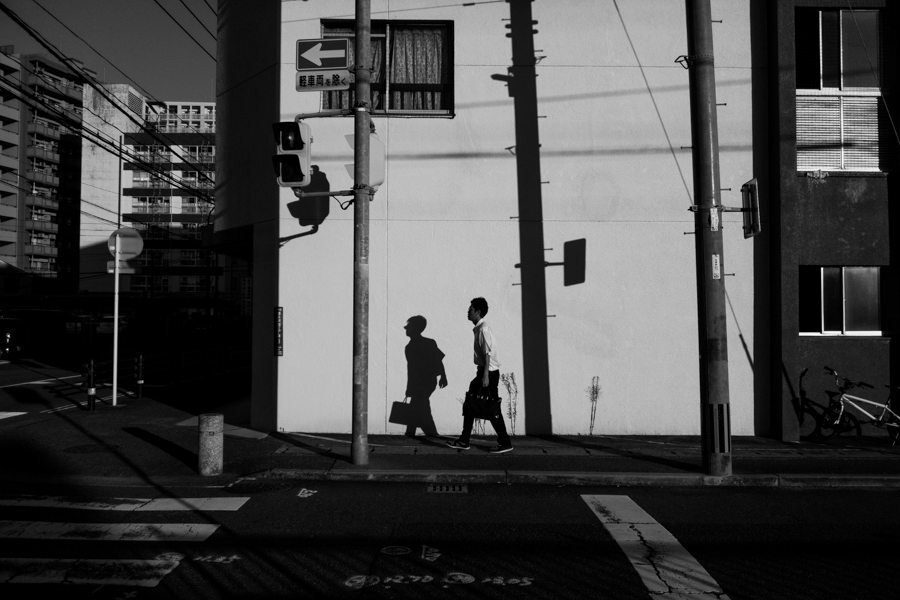
Now go through the candidates and remove images. You're looking for reasons to cut, not reasons to keep.
- Cut near duplicates. If two frames say the same thing, keep the stronger one. A second version adds nothing new.
- Cut anything that doesn't fit your intent. A very good image can still be wrong for this set. Keep it somewhere safe for another project.
- Cut photos that only work because of the story behind them. If you need to explain it, the viewer won't feel it.
- Cut "almost" frames. Great moment, messy background. Good layers, no gesture. These are the pictures that hold a portfolio back.
Get a second opinion if you can. I could edit my own work to about 80%, but a trusted friend always caught something I missed. Being from Haiti, people carrying loads on their heads looked ordinary to me. A friend pointed out that to someone from elsewhere, those pictures were the interesting ones. Likes are a poor substitute. As one photographer on Reddit put it, "the upvotes / likes won't be your best judge I'm afraid."
If you're unsure what separates a keeper from a near miss, read what makes a good photograph and my guide to street photography hit rate, which covers culling in more detail.
Step 3: Sequence it like a magazine editor
Order matters as much as selection. The brain loves coherence, the same way it loves a refrain in a song. A well sequenced portfolio feels stronger than the same photos in random order.
Here's the method I used for every feature:
- Pick the beginning, middle and end first. The opener grabs attention and tells the viewer there's good work inside. The middle image wakes them up, because attention drops halfway through. The closer is what they remember, thanks to recency bias.
- Establish the place early. Right after the opener, add a frame that shows where you are. You know your city. The viewer doesn't.
- Find the links between images. Pair photos by what they share: location, time of day, colour, visual weight, orientation, a recurring theme or the same kind of composition. A frame with one person can lead to a frame with two.
- Use transitions. If you jump from street level to a boat, find a frame that has both. Think like a filmmaker cutting between scenes.
- End open. I like to close on an ambiguous image with space in it, often sky. It leaves the viewer wanting more.
Then look at all the thumbnails together. If the flow feels right, you're done. If one image snags, move it. There can be several good sequences for the same photos. The photo essay guide goes deeper on sequencing a story, and it uses the same links.
Consistency beats variety
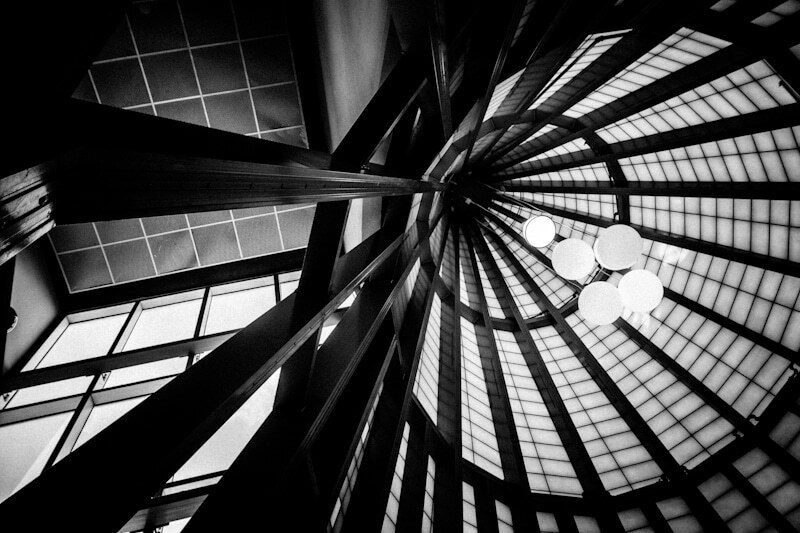
The photographers who stood out in the magazine were the consistent ones. Consistent in subject matter and in the way they saw. It reads as maturity. Viewers trust a consistent photographer more, even when individual pictures are no better than someone else's.
That doesn't mean every photo should look the same. It means the set should feel like it came from one person with one intent. Some practical rules:
- Don't mix black and white and colour in the same project unless the switch means something.
- Keep one processing style. A heavy preset next to a natural edit looks like two photographers.
- Group by theme, not by date. Viewers don't care when you shot it.
- If you shoot several genres, give each its own project. A street set and a landscape set can live on the same site.
If you don't know what your consistent thread is yet, that's normal for beginners. Ask one question of every image: does this represent what I want my photography to be? My guide on how to find your photography style helps with that.
Where to show your portfolio
Pick the format your viewers will use. You don't need all of them.
A portfolio website
A simple online portfolio with your name as the domain is still the most professional option. Adobe Portfolio and Squarespace both have clean photography templates. Keep it plain: a few projects, large images, a short about page with a bio and contact information. The design should step back so the pictures come forward. Presentation changes perception, so make everything around your images look as good as the images themselves.
Instagram and social media
Social media is fine for sharing, but it's a feed, not a portfolio. Photos get cropped and buried within a week. If you use Instagram, pin a set of your best frames and treat the grid as a sequence.
Prints, zines and the photo book
Paper tells the truth. A photo that looks fine on a phone often looks weak on a page. A small box of prints or a photo zine is a portfolio you can hand to someone, and it forces the final edit. A full photo book comes later, once a project is truly finished. If you don't feel ready to build a website, a zine is the easier first step.
Photography portfolio examples: what to study
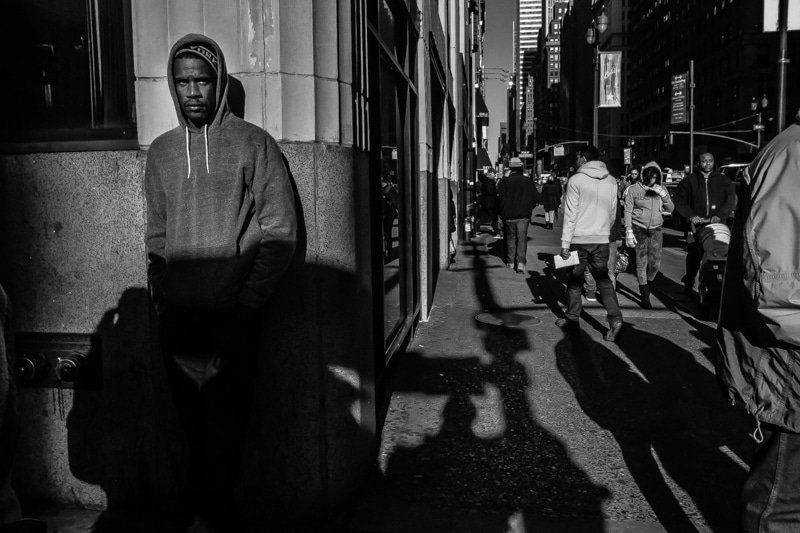
The best portfolio examples are the websites and books of photographers you admire. Don't copy their pictures. Study how they present them.
- Count the photos. Most strong projects are shorter than you'd expect.
- Look at the first and last image. Notice how they open with a hook and close on something open.
- Notice the pairs. See which pictures sit next to each other and what links them.
- Look at the navigation. Good photography websites show a few projects or galleries, not dozens.
The book Magnum Contact Sheets, edited by Kristen Lubben, is a great companion. It shows the frames around famous photographs, so you see how much great photographers left out.
Write a few words about the work
As a magazine editor, the thing I disliked most was a one line answer from a photographer with good images. People who love your pictures want to know who made them. A short project statement, or artist statement, of three or four sentences helps: what you photographed, where, over how long, and why it matters to you. Skip the jargon. Say it the way you'd say it to a friend.
A statement also keeps you honest. If you can't say what the project is about, the sequence probably doesn't know either.
Portfolio reviews: getting outside eyes
A portfolio review is a meeting where you show your work to curators, editors, publishers or gallerists and get their reaction. FotoFest's Meeting Place in Houston and Review Santa Fe are two long-running events in the US. Many photography festivals and local photo centers run smaller reviews too.
Reviews cost money and are aimed at photographers with a finished body of work. Before you pay for one, try a free version: show your printed set to two or three photographers you respect and watch which pictures they linger on. That tells you more than any rating.
Back up your portfolio before anything else
I learned this the hard way. My 4TB external drive died after a fall, and I had no full backup. Years of photos went with it, including the ones of my son's birth. I got some back later from Lightroom previews, but not all.
Two lessons came out of it. First, if backups aren't automatic, you aren't backing up. Set up an automatic online backup and a second physical copy. Second, keep a small folder of your most important images, your portfolio plus the family pictures that matter, and copy it to a USB drive you keep somewhere else. That folder fits on a small drive, while a full catalog doesn't.
Stronger pictures make an easier edit
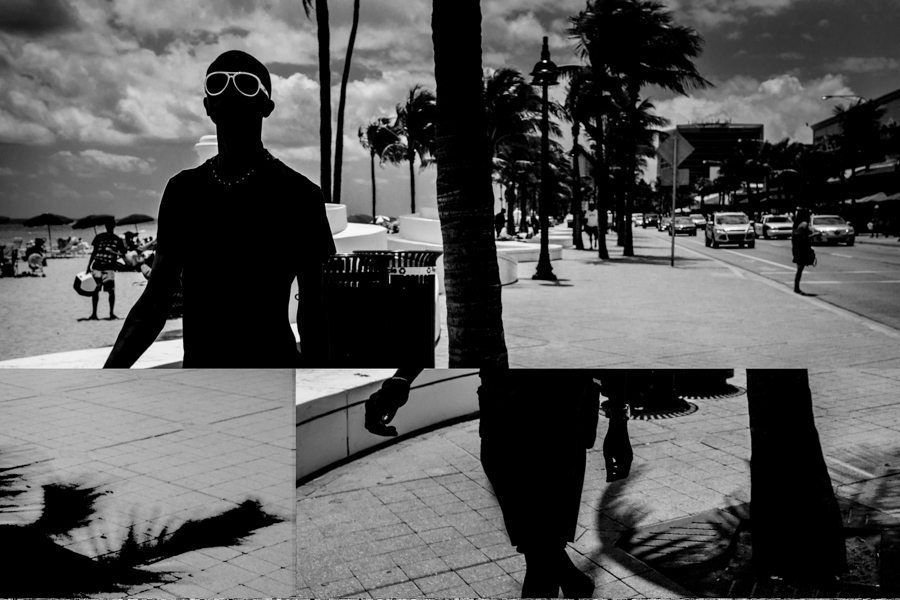
The easiest portfolio to build is the one with more good frames to choose from. That comes down to composition and emotion when you shoot, and judgment when you edit.
That's what Don Springer and I teach in Phototactic, our online street photography course. The core modules cover composition and emotion so your frames are stronger to begin with. The recorded shooting demonstration shows how I cull my images to display only my best, and covers the science behind sequencing your images. It's $297 as one payment with a 60 day money back guarantee. It doesn't cover websites or selling prints, and it doesn't include feedback on your own photos. You learn to judge your work yourself.
New to all this? Start with street photography for beginners, and when you're ready to put the work on paper, read how to make a photo zine.
Frequently Asked Questions
How many photos should be in a photography portfolio?
Between 10 and 20 per project is a good range, and 12 is a solid starting point. Portfolio review events such as Review Santa Fe ask for 15 to 20 images. Fewer strong photos beat many average ones, because viewers judge you by the weakest image they see. If you have several projects, give each its own small set.
What should a street photography portfolio include?
Your strongest street photos around one theme or project, in a deliberate order, plus a short statement and a way to contact you. Open and close with your two best frames and cut near duplicates. Keep processing consistent so the set looks like it came from one photographer.
Can I build a photography portfolio without clients?
Yes. Street photography portfolios are almost always personal work. Pick a subject you can return to, like a neighbourhood or a time of day, shoot it for months, then edit it down to 10 to 20 frames. A personal project shows how you see better than a list of paid jobs does.
Should my portfolio be online or printed?
Both have a place. A simple website is easiest to share and looks professional. Prints or a zine show you which photos really hold up, because weak images look weaker on paper. If you only do one, start with a small print set or zine to make the edit, then put the same sequence online.
How often should I update my photography portfolio?
Review it once or twice a year. Add a new photo only if it's stronger than the weakest one already there, and remove one when you add one. Letting new work sit for a few weeks before you judge it helps, because you see the picture instead of the memory of taking it.