
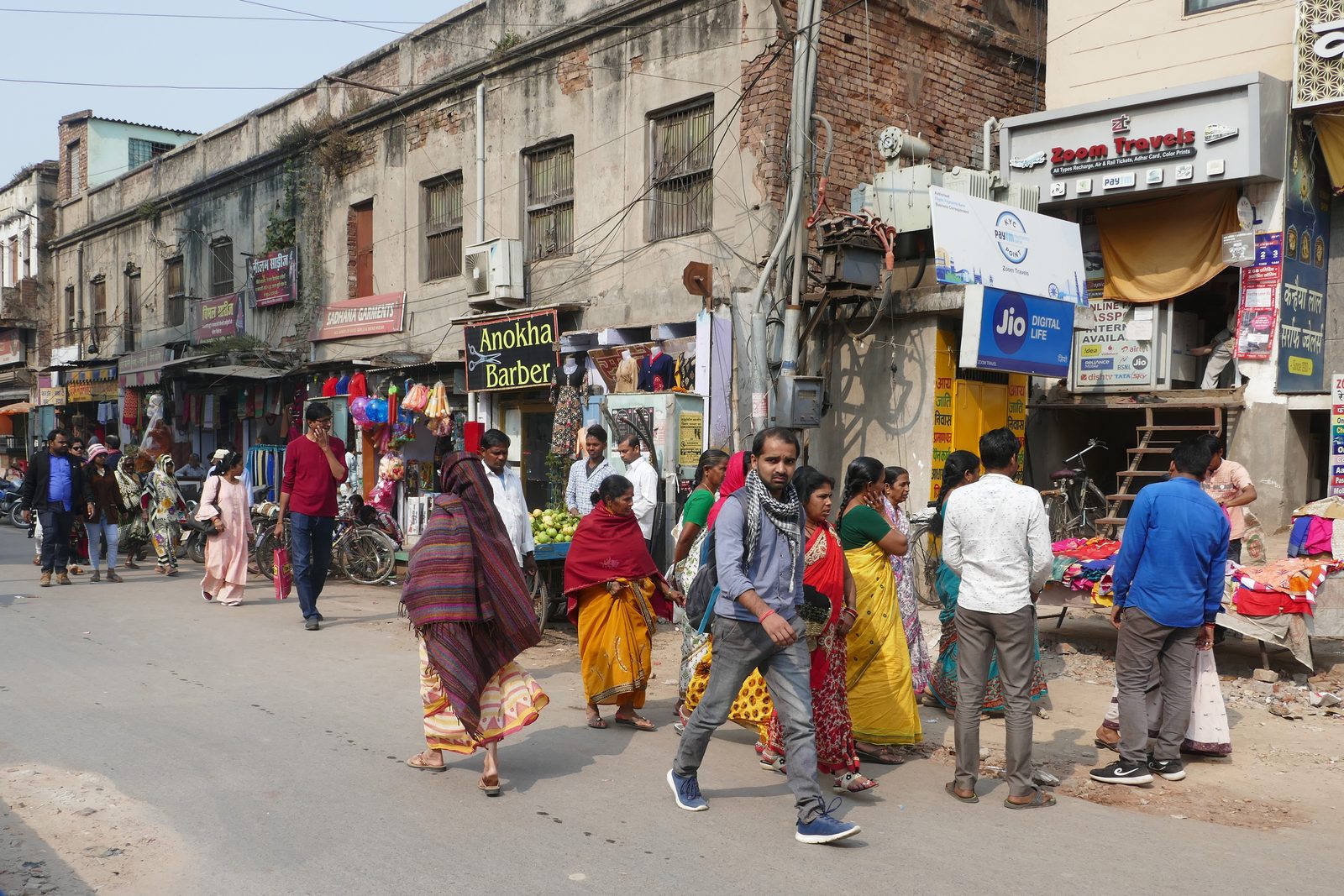
Street Photography in Varanasi
Worship and daily life happen in the open on the east facing ghats of the Ganges, and the morning light hits them head on.
- Spots
- 7
- Best time
- October to March, with winter fog adding mood
- Lens
- 35mm
- Photographing people
- Generally allowed
Varanasi is one of the best places in the world for street photography because life on its ghats happens in the open. People bathe, pray, wash clothes and play cricket on steps that run for kilometers along the Ganges. The ghats face east, so the sunrise lights them directly. f.d. walker, who photographed dozens of major cities for his guides, calls it maybe the most unique. Laure Wanders keeps going back.
It is also demanding. It is one of the holiest cities in Hinduism, and cremations take place in public under strict rules. Touts will offer you a boat dozens of times a day. Summer heat can pass 40°C. I'd shoot from sunrise to about 9:30, rest, and go back out late in the afternoon for the lanes and the evening aarti.
Best street photography spots in Varanasi
Dashashwamedh Ghat
Dashashwamedh is the main ghat and the center of the action. Every evening priests perform the Ganga aarti here with brass lamps and chanting. Laure Wanders gives the start as about 18:00 in winter and 19:00 in summer, lasting around 45 minutes. SIA Photography advises arriving early to get a spot. For something different, turn around and photograph the faces of the crowd lit by the lamps. f.d. walker calls this ghat the epicenter of hassle, so expect constant offers of boats. It is also the easiest place to hire a rowboat.
Manikarnika Ghat
Manikarnika is the main cremation ghat, where pyres burn day and night. Photographing cremations is forbidden, and people there may confront you. Kreslavsky notes that some offer paid "special permission", with prices set by how rich you look; many photographers see it as a scam, and the grief of the families is real. Wide, distant frames from a boat, with no identifiable mourners, are the usual compromise. Better yet, put the camera down here and use the time to watch. Woodcutters and porters in the lanes behind are fine to photograph with care.
Lalita Ghat alleys
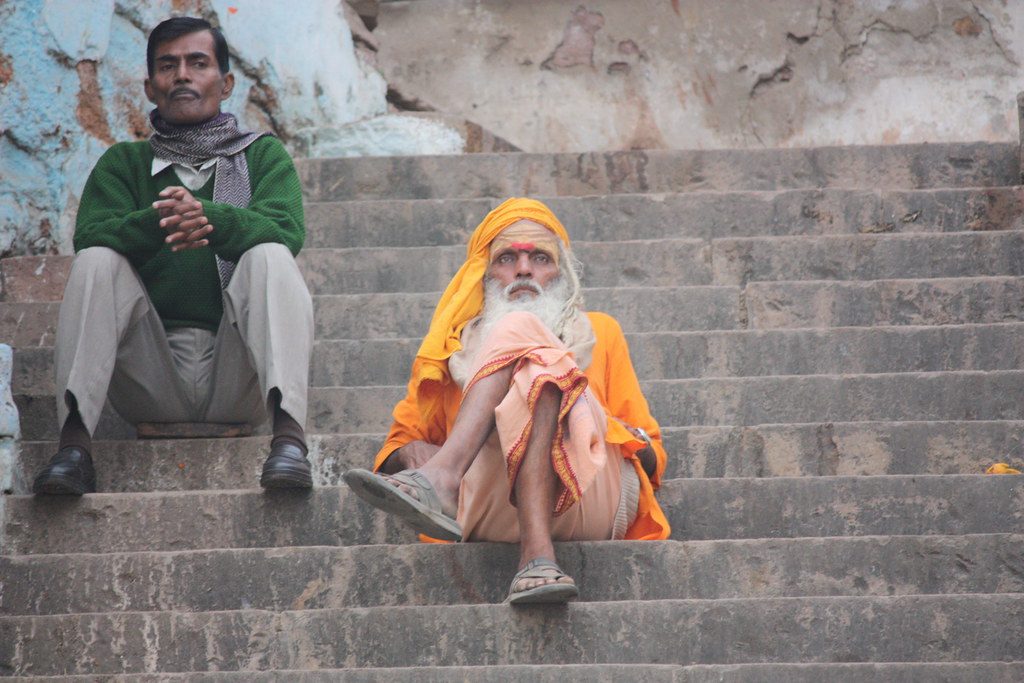
f.d. walker picks the alleys above Lalita Ghat as one of the best sections to explore. Laure Wanders agrees that the most interesting lanes are northeast of Dashashwamedh. They are narrow and full of tiny shrines, and cows block the way. Sun cuts through in thin shafts, so find a bright slot and wait for someone to walk into it. Work here after 10:00, when the ghats get hot and flat. Expect to get lost, and watch where you step.
Kedar Ghat
Kedar Ghat is easy to spot: its steps are painted in red and white stripes. The temple above draws many pilgrims from Bengal and South India. At sunrise the stripes and the bathers make a strong graphic frame. Stand high on the steps and shoot down, letting the stripes lead to one figure at the water. Kreslavsky advises caution around women bathing. At most ghats women bathe on one side, and he avoids that side. The steps are wet and slippery at the water's edge.
Assi Ghat
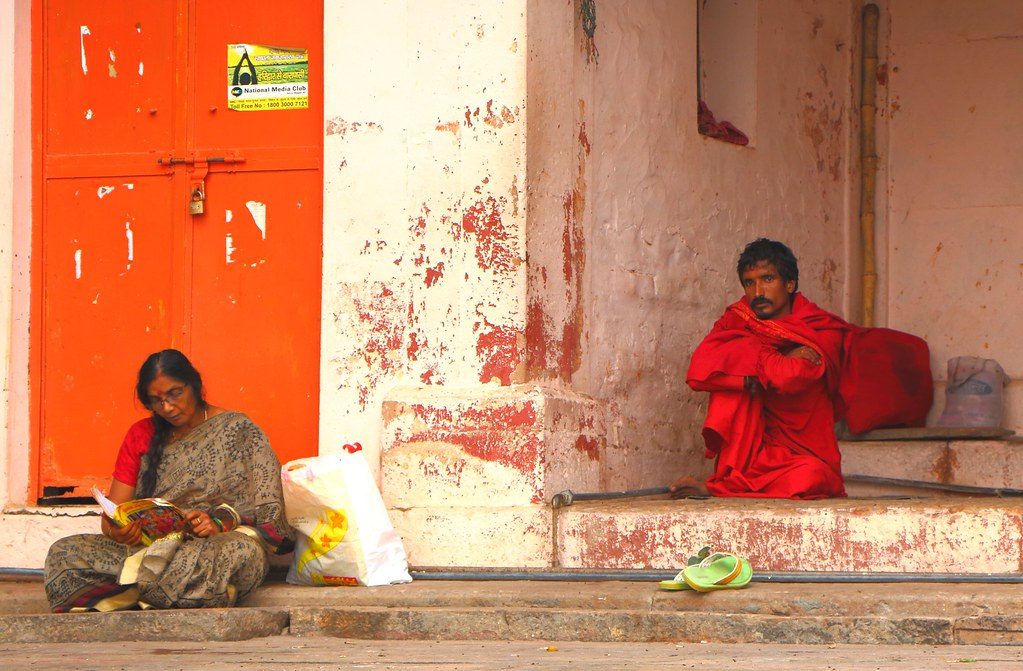
Assi is the southernmost of the main ghats, where many long stay travelers base themselves. f.d. walker notes it is important for pilgrims and ceremonies. Kreslavsky recommends its morning aarti, which is less crowded than the evening one on Dashashwamedh and comes with yoga and music. Arrive before dawn. Shoot the crowd side on as the light comes up across the river. For a change of scene, walker suggests following the path south past Assi for a more village like feel. Touts are fewer here.
Tulsi Ghat
Tulsi Ghat is a short walk north of Assi and much quieter. It is known for a traditional akhara, a wrestling ground where men train in the mornings in the old style. Kreslavsky lists the akharas as a subject and reminds you to take off your shoes, because the ground is treated as sacred. Ask first. Most wrestlers are relaxed about photographers who show respect. Morning light is best, and the ghat itself is good for quieter frames of bathers and boats.
Godowlia
Godowlia is the market crossing on the road up from Dashashwamedh. It is noisy and packed with rickshaws and shoppers, with the odd cow standing in the middle of it all. It gives you a break from the river and a look at ordinary city life, where people shop for saris and sweets rather than for rituals. Late afternoon, when the ghats are in shade, is a good time. Stand on a corner and use the traffic flow to layer the frame. Keep your bag in front of you in the crowd.
Photographing people in Varanasi
Photographing people in public is generally legal in India. In Varanasi the real limit is custom. Cremations at Manikarnika and Harishchandra are off limits, and people there will stop you. Laure Wanders and Kreslavsky both describe the ban, and Kreslavsky describes paid "permission" that is not an official permit. Bathing is also sensitive. Don't photograph women changing or bathing up close. This is general information, not legal advice. See is street photography legal.
Outside those places, Varanasi is open. SIA Photography's Saurabh Chatterjee says not every moment should be photographed, and suggests photographing people from behind in sensitive moments. Many people pose happily. Those dressed as sadhus will ask for money. A quick question with a gesture at the camera gets a yes more often than a no. See how to photograph strangers.
General information, not legal advice. More in is street photography legal?
What to photograph in Varanasi
- Bathers on the steps at sunrise, with mist on the river.
- Laundry. Washermen beating clothes on stones and saris drying on the steps.
- Boats and boatmen, from the water or the shore.
- Sadhus. Laure Wanders warns that many on the ghats dress up to charge for photos. Pay 10 to 20 rupees if you shoot.
- Cricket on the flat ghats in the afternoon.
- Weavers. Kreslavsky suggests the handloom workshops, which are dark and need a fast lens.
- Festivals. Dev Diwali fills the ghats with lamps in November.
- Chai stalls in the lanes, where men sit on benches reading the paper. The small spaces make tight, intimate frames if you ask first.
A one-day photo walk
- 5:30, Assi Ghat. Morning aarti and first light. About 1 hour.
- 6:30, walk north along the ghats. Tulsi Ghat for the wrestlers, then Kedar Ghat for bathers. Allow 2 hours on foot.
- 9:00, Dashashwamedh Ghat. About 20 minutes more on foot. Hire a rowboat for an hour.
- 10:30, Lalita Ghat alleys. Five minutes north. Lanes in shade, then rest through midday.
- 15:30, Godowlia. Market life while the ghats are in shade.
- 18:00, Dashashwamedh Ghat. Five minutes back down for the evening aarti. Arrive 30 minutes early for a spot on the steps, or watch from a boat. All of this route is on foot, so wear shoes you can wash.
When to shoot
October to March, with winter fog adding mood. Sunrise to about 9:30 on the ghats. Dev Diwali (November) is the most photogenic festival.
The light
The ghats face east, so mornings bring direct warm light and mist over the river. Afternoon sun is behind the city and the ghats fall into shade.
What to bring
A fast 35mm for the ghats and dark lanes, plus a short telephoto for shooting from a boat.
Safety
Generally safe. Constant touts offering boats and drugs. Slippery steps, and the lanes are confusing after dark.
Tips for Varanasi
- Season: Kreslavsky suggests the window from about a week before Dev Diwali (November) to Holi (March). Winter fog adds mood.
- Schedule: f.d. walker shot from 5:30 to 9:30, rested, then went out again from 14:00 to 18:00.
- Boat: a hand rowed private boat lets you ask the boatman to stop. SIA Photography suggests a telephoto for intimate shots from the water.
- Lens: 35mm for the ghats, something fast for the alleys and the aarti. See best lens for street photography.
- Hassle: say no once and keep walking. Most photographers end up ignoring the offers.
- Holi: Kreslavsky warns that street Holi here can get wild. Masan Holi, a few days before, happens at the cremation ground.
- Monsoon: July to September floods the lower ghats, and life moves into the lanes.
Frequently asked questions
Is street photography legal in Varanasi?
Photographing people in public is generally legal in India, but photographing cremations is forbidden by custom and enforced by the people who run the burning ghats. Be careful around women bathing. Ask before portraits.
Where are the best street photography spots in Varanasi?
Start with Dashashwamedh Ghat, Manikarnika Ghat, Lalita Ghat alleys, Kedar Ghat. The main ghat. Evening Ganga aarti and constant hustle.
When is the best time for street photography in Varanasi?
October to March, with winter fog adding mood. Sunrise to about 9:30 on the ghats. Dev Diwali (November) is the most photogenic festival.
What lens should I bring to Varanasi?
A fast 35mm for the ghats and dark lanes, plus a short telephoto for shooting from a boat.
Is Varanasi safe for street photographers?
Generally safe. Constant touts offering boats and drugs. Slippery steps, and the lanes are confusing after dark.
More street photography in India
Start with the India street photography guide, then pick a city.
More street photography cities
- KathmanduNepal
- DhakaBangladesh
- Chiang MaiThailand
- BangkokThailand