
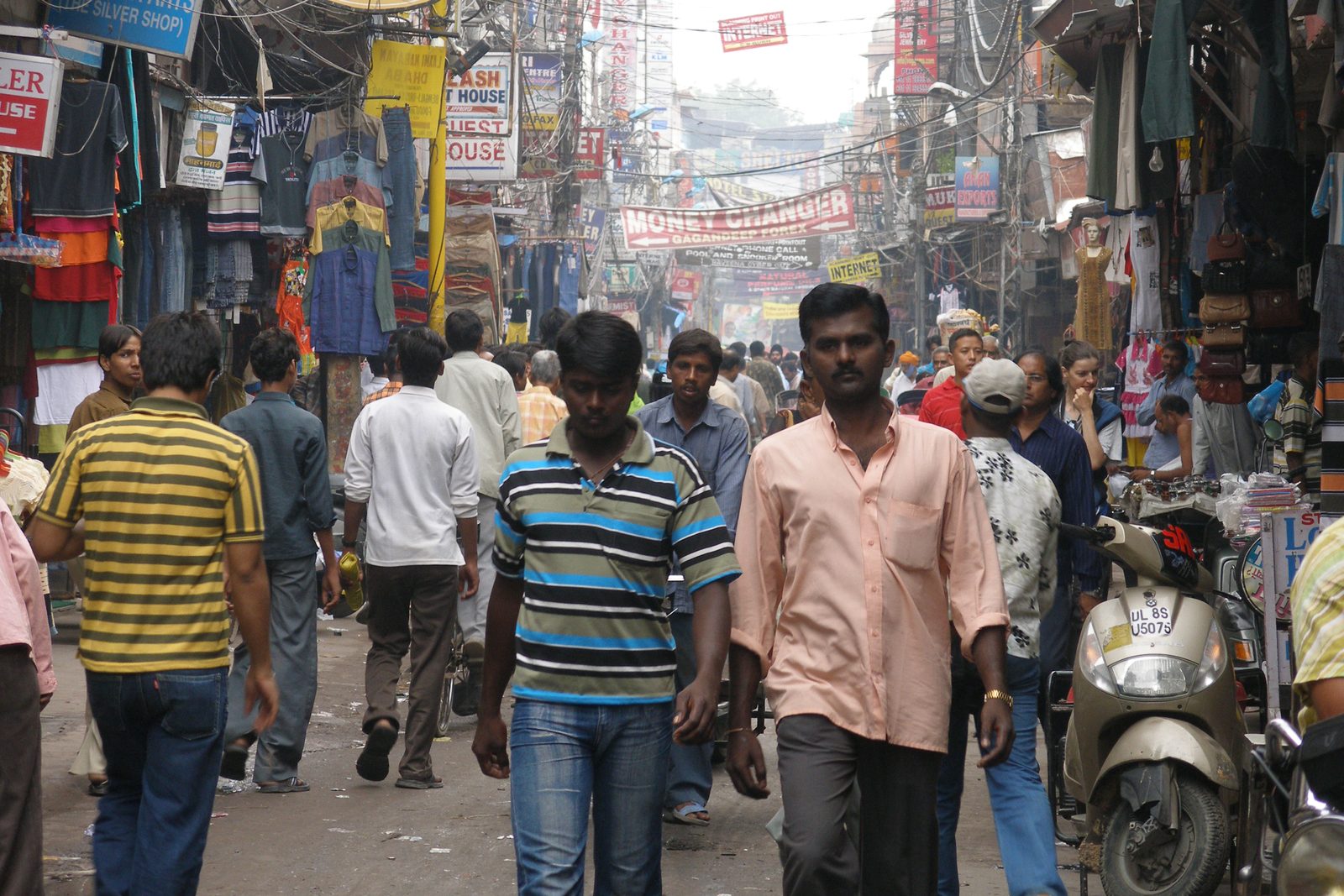
Street Photography in Delhi
Old Delhi is one of the densest street scenes on earth, and people in India are famously open to cameras.
- Spots
- 8
- Best time
- October to March
- Lens
- 28mm or 35mm
- Photographing people
- Generally allowed
Delhi is excellent for street photography because Old Delhi packs trade and worship into lanes so dense that every frame is full. Photographer f.d. walker rates India among the friendliest countries in the world toward street photography. Raffaele Ferrari calls Old Delhi the most intense urban environment he has worked in. People often walk into your frame on purpose, and many will pose if you point a lens at them.
That density is also the difficulty. The city is huge, and the light is often dull with haze or smog. I'd base the trip on dawn in Old Delhi, when shops are opening and the streets are still moving at walking pace. Pick one area per half day rather than crossing the city, as Rohit Vohra and others advise. Keep the afternoons for the calmer south, with its shrines and murals.
Best street photography spots in Delhi
Chandni Chowk
Chandni Chowk is the main street of Old Delhi, running west from the Red Fort, and the lanes off it are where the pictures are. Raffaele Ferrari says it is at its best between 5:30 and 8:00, before traffic builds, when vegetable carts and tea sellers take their places. Rohit Vohra likes arriving before the shops open and watching the crowd build. Try Kinari Bazaar for wedding trimmings and Dariba Kalan for silver. Stand where a lane meets the main road and let rickshaws cross your frame. By mid morning it is a crush, and pickpockets work it.
Jama Masjid
Jama Masjid was begun in 1644 under Shah Jahan, and its courtyard is one of the largest in India. Rohit Vohra says it is packed in the morning and evening, which is when to shoot. Delhi Tourism lists tourist entry for foreigners from 8:00 to sunset, with no tourist visits during prayer. It lists photography as free, but many visitors report a camera fee at the gate, so carry small notes. Dress modestly; robes are available at the north gate. Shoot from the steps outside for the crowds and street food of Meena Bazaar and Matia Mahal below. Inside, keep your distance from people praying.
Khari Baoli Spice Market
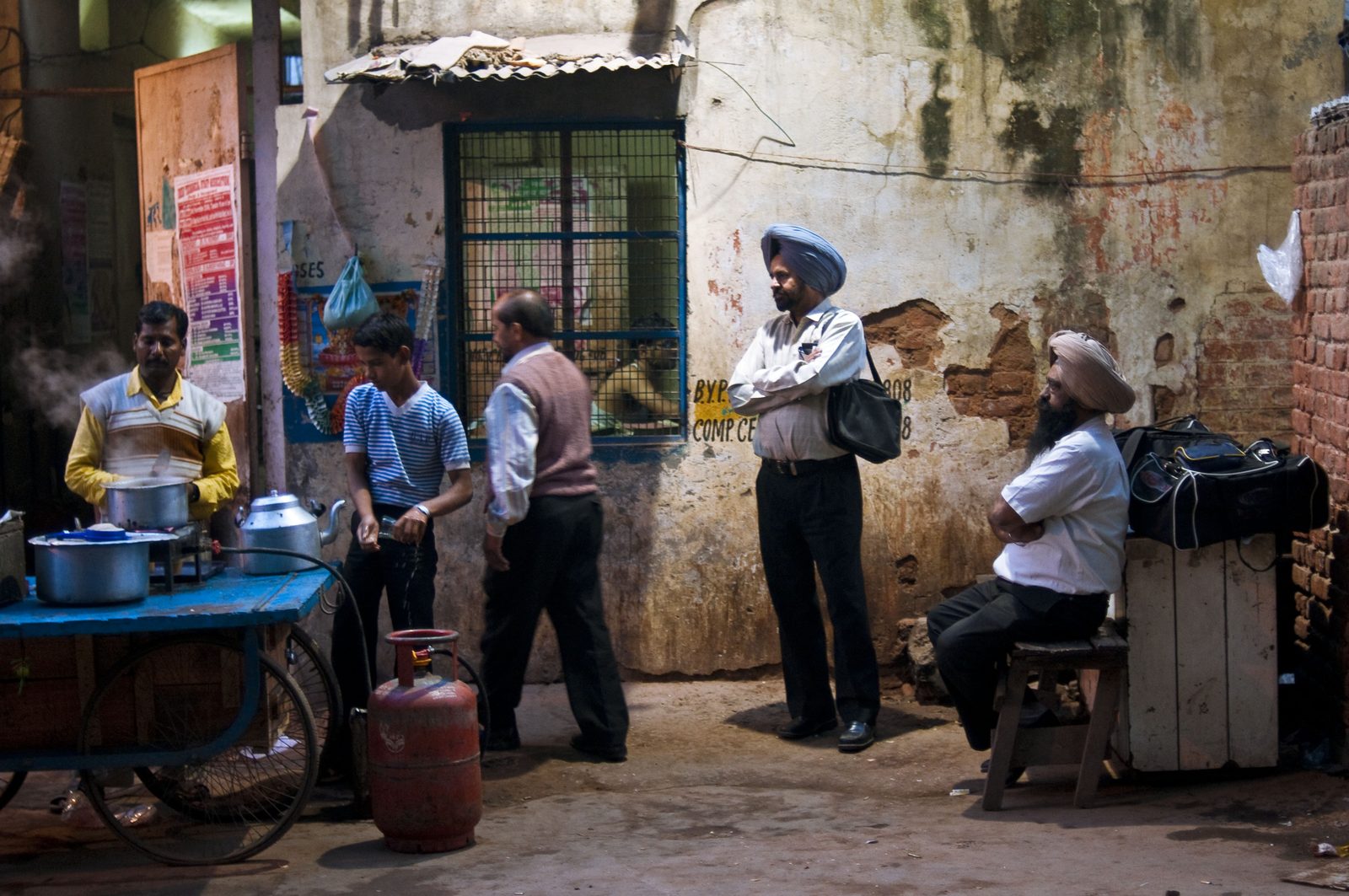
Khari Baoli is Asia's best known wholesale spice market, at the west end of Chandni Chowk. Raffaele Ferrari recommends it at dawn, when the sacks are opened and the colors are strongest in low light. Porters carry huge loads on their heads and backs, and chili dust makes everyone sneeze. Look for the stairs up to the rooftop of Gadodia Market, where you can shoot porters on the terraces below, but expect to be asked for a tip or turned back. Step aside for loads; this is a workplace, and nobody slows down for a photographer.
Sadar Bazar
Sadar Bazar is a vast wholesale market for household goods, west of Old Delhi railway station. Both Rohit Vohra and Raffaele Ferrari say it gets far fewer foreign visitors than Chandni Chowk, and Vohra finds it even more crowded. The main market is closed on Sundays, but roadside stalls appear instead; Vohra likes to go around 10:00 on a Sunday. On other days, Ferrari says the wholesale deals are best before 9:00. Look for people framed by walls of stacked plastic buckets and toys. Carry nothing you can't hold with one hand.
Hazrat Nizamuddin Dargah
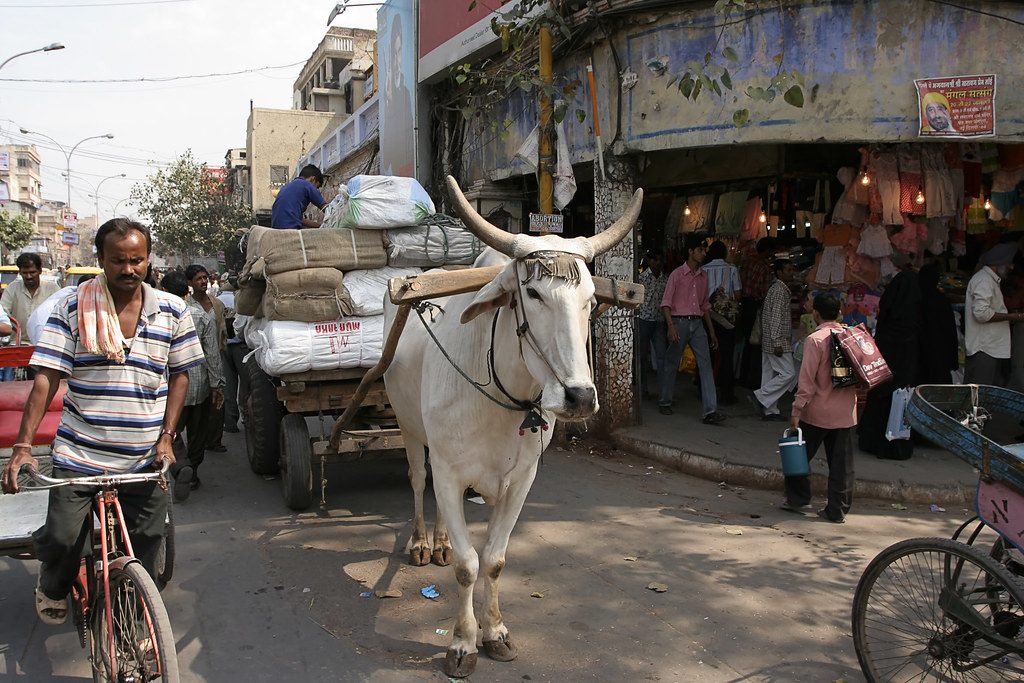
The shrine of the Sufi saint Nizamuddin Auliya sits in a tight old neighborhood of lanes lined with flower sellers. Rohit Vohra says Thursdays are the most crowded and the best day, and qawwali singing is usually held in the evening. Cover your head and take off your shoes to enter. Inside, ask before photographing anyone at prayer, and follow the caretakers' instructions. The lanes leading in are easier: kids running and stalls selling rose petals. Expect to be asked for donations at the entrance.
Yamuna Ghat
Delhi's river is not Varanasi, but at dawn it is the calmest place in the city. Rohit Vohra recommends early mornings here for silhouettes and quiet moments. In winter migratory gulls gather over the water, and people feed them from the banks and boats. Face the rising sun and shoot figures against the light, with the gulls as texture. Vohra notes Sundays are busy with local photographers and pre-wedding shoots, so come on a weekday for a cleaner scene. The river is heavily polluted, so keep your gear out of the water.
Lodhi Art District
Lodhi Colony is a quiet government housing area whose walls are covered in large murals. Rohit Vohra says it can be busy with kids playing one day and deserted the next, so treat it as a place for patience. Mornings and evenings have the best light. Pick a mural with a strong shape and wait across the street for someone to walk past who echoes it. This is a residential area, not an attraction, so keep noise down and avoid shooting into homes.
Connaught Place
Connaught Place is the colonial shopping district of New Delhi, built as rings of white arcades around Central Park. Rohit Vohra suggests it for modern Delhi, and f.d. walker notes the park is popular with couples. The arcade columns give you shade and repeating frames all day. Stand at one end of a corridor and wait for a figure to cross a band of light. Janpath and Agrasen ki Baoli, a stepwell, are a short walk away. Touts target foreigners here, so ignore anyone offering directions to a tourist office.
Photographing people in Delhi
Photographing people in public places is generally legal in India, and there is no general law requiring consent for a street photo. Limits come from place and context: military and security sites are off limits, and many religious sites set their own rules. Using a recognizable person to sell a product without consent is a different matter. This is general information, not legal advice. See is street photography legal.
Culturally, Delhi is easy. f.d. walker rates people's reaction to cameras 8 out of 10, and says the problem is people posing, not objecting. Men often ask you to take their picture. Be more careful with women: ask first, and accept a no. At mosques and shrines, ask before photographing anyone praying. Ranjan Photography advises checking whether people are fine with being photographed. If you promise to send a photo, do it.
General information, not legal advice. More in is street photography legal?
What to photograph in Delhi
- Porters and handcarts hauling impossible loads through Old Delhi.
- Rickshaws. Cycle rickshaws in traffic jams, often with whole families aboard.
- Trades. Barbers on the sidewalk and silversmiths at work.
- Wires. Maverickbird notes the jumble of electric cables overhead, which makes a graphic ceiling for a lane.
- Faith in public. Mosques and Hindu or Jain temples within a few streets of each other.
- Street food. Kebabs near Jama Masjid, parathas in Paranthe Wali Gali.
- Pigeon flyers on Old Delhi rooftops, if you get access to a roof.
- Metro crowds. Platforms and carriages at rush hour are packed and well lit, though security staff may object to cameras, so keep it discreet.
A one-day photo walk
- 6:00, Chandni Chowk. Take the metro to Chandni Chowk station. Walk the main street and the lanes as shops open. About 1.5 hours.
- 7:30, Khari Baoli Spice Market. About 15 minutes west on foot. Porters and sacks.
- 9:30, Jama Masjid. A cycle rickshaw back east, about 15 minutes. Courtyard, steps, then breakfast in Matia Mahal.
- 12:00, rest. Midday light is flat. Eat or move south by metro.
- 15:30, Lodhi Art District. About 40 minutes by metro or taxi. Murals in the afternoon.
- 17:30, Hazrat Nizamuddin Dargah. A 10 minute taxi ride. Stay into the evening, especially on a Thursday. The metro from Jangpura or a taxi gets you back to central Delhi in 20 to 40 minutes, depending on traffic.
When to shoot
October to March. Mid November to January can bring heavy smog and fog. Dawn is the key hour in Old Delhi.
The light
Hazy most of the year. Harsh and bleaching from April to September, soft and grey in winter smog.
What to bring
A 28mm or 35mm lens for the lanes. A small camera draws less attention in the crush.
Safety
Generally fine by day. Pickpockets in crowded markets and scams around stations. Women should take more care, especially after dark.
Tips for Delhi
- Season: October to March. April to June is extremely hot. Smog peaks from November to January.
- Exposure: f.d. walker says the haze acts like a constant ND filter of a stop or more. Don't underexpose. More in street photography settings.
- Lens: 28mm or 35mm for the lanes. See best lens for street photography.
- Transit: the metro reaches Old Delhi. Ranjan Photography suggests avoiding it from 8:00 to 10:00 and 18:00 to 20:00, when it is packed.
- One area at a time. Traffic eats hours. Don't plan Old Delhi and South Delhi before lunch.
- Festivals: Diwali (October or November) lights up the markets, and Eid brings huge crowds to Jama Masjid. Dates change each year.
- Posers: take the posed shot, then stay. The candid moment usually follows. See how to photograph strangers.
Frequently asked questions
Is street photography legal in Delhi?
Photographing people in public is generally legal in India. Religious sites set their own rules, and military or security sites are off limits. Ask before photographing women and people at prayer.
Where are the best street photography spots in Delhi?
Start with Chandni Chowk, Jama Masjid, Khari Baoli Spice Market, Sadar Bazar. Old Delhi's main street and the lanes off it. Best from 5:30 to 8:00 before traffic.
When is the best time for street photography in Delhi?
October to March. Mid November to January can bring heavy smog and fog. Dawn is the key hour in Old Delhi.
What lens should I bring to Delhi?
A 28mm or 35mm lens for the lanes. A small camera draws less attention in the crush.
Is Delhi safe for street photographers?
Generally fine by day. Pickpockets in crowded markets and scams around stations. Women should take more care, especially after dark.
More street photography in India
Start with the India street photography guide, then pick a city.