
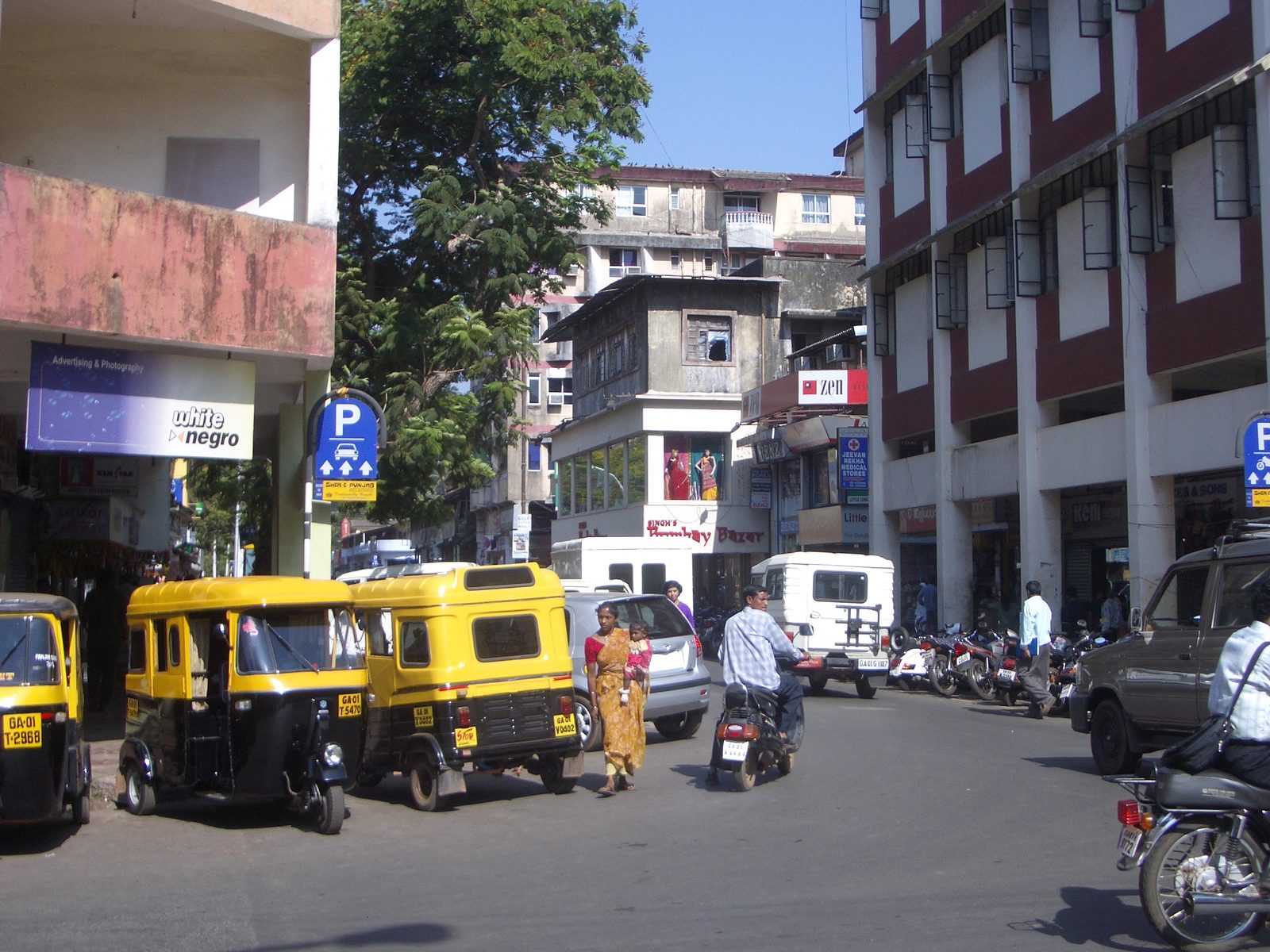
Street Photography in Goa
Goa mixes Portuguese era lanes and weekly village markets with beach life, so it gives you a slower, softer kind of Indian street photography than the big northern cities.
- Spots
- 7
- Best time
- November to February is dry and pleasant
- Lens
- 35mm
- Photographing people
- Generally allowed
Goa is good for street photography because it offers something different from the rest of India: Portuguese era lanes and weekly village markets, all at an easy, slow pace. Most visitors come for the beaches, but the street life is in the markets of Mapusa and Panaji and the old quarter of Fontainhas. It is also a place where you need to be considerate: residents of Fontainhas have put up 'no photography' signs after years of visitors treating their homes as backdrops.
Goa is a state, not a city, so plan on a scooter or taxi between spots. I'd base myself near Panaji and plan around the market days: Friday at Mapusa, Wednesday at Anjuna in season. Come for Carnival in February if you can. For the wider picture of photographing in the country, see our India street photography guide.
Best street photography spots in Goa
Fontainhas
Fontainhas is Panaji's old Latin Quarter, a small area of colored Portuguese era houses and narrow lanes. It is also the most sensitive spot in Goa. A 2026 article in The Draft describes residents putting up 'no photography' signs and warnings to tourists. Legally, photographing a facade from the public street is allowed, but stepping onto a porch or into a courtyard is trespass, and intrusive shooting can count as harassment. Come early in the morning, stay on the street, keep the camera low, and never pose on people's steps.
Panjim Market
Panjim Market is Panaji's main municipal market, a short walk from Fontainhas. In the morning, fish sellers lay out the catch and flower sellers make garlands, while locals shop for the day. Light comes through the openings of the market hall. Frame hands weighing fish or tying flowers. Buy something and ask before close portraits. It is a local place, not a tourist one. The streets around the market, toward the Mandovi river, are full of small shops and traffic.
Mapusa Market
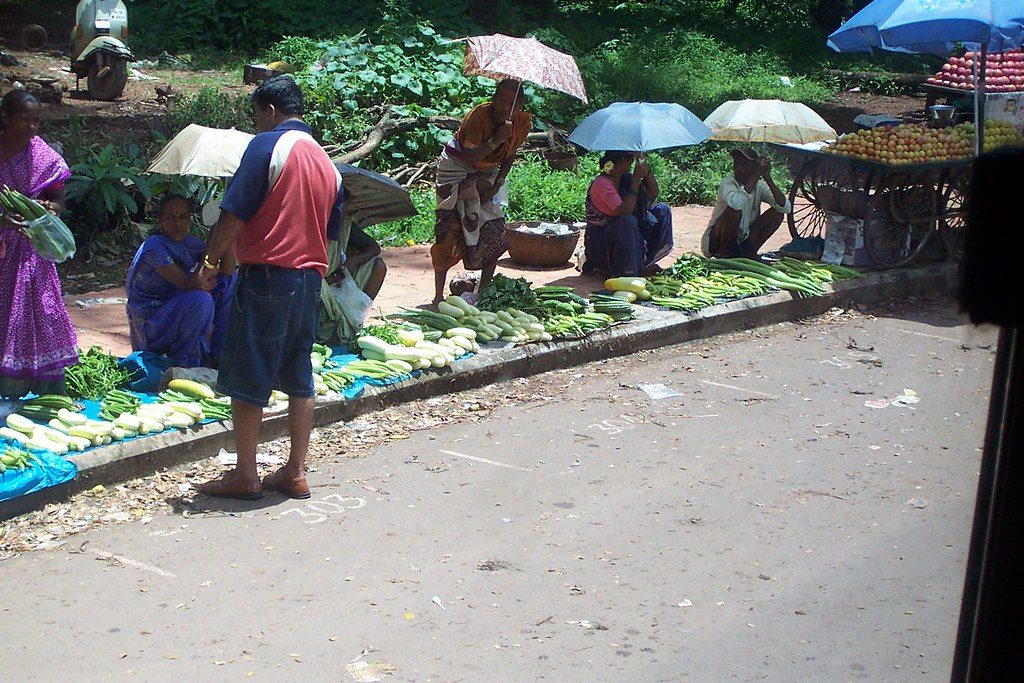
Mapusa's market is the big market of North Goa, busiest on Friday, when vendors come from across the state. GOYA's walk through it with Lorraine Lobo describes fresh produce, dried fish, local jaggery and salts, vinegars and sausages. Come early on a Friday, before the heat. Frame vendors behind piles of chillies or dried fish, and catch the bargaining. It is crowded and friendly, and vendors are used to regulars. The old Shakuntala fountain area and the bus stand nearby add more street scenes.
Anjuna Flea Market
The Anjuna Flea Market runs every Wednesday by Anjuna beach in season, from about October to April, according to MyGoa365. Traders from across India sell clothes and jewelry next to travelers. The mix of people and colors makes for busy frames. Come in the late afternoon, when the light softens. Ask before photographing traders. It is closed in the monsoon. Stalls under the palms give you dappled light, and the beach is a few steps away for sunset.
Chapora Fishing Jetty
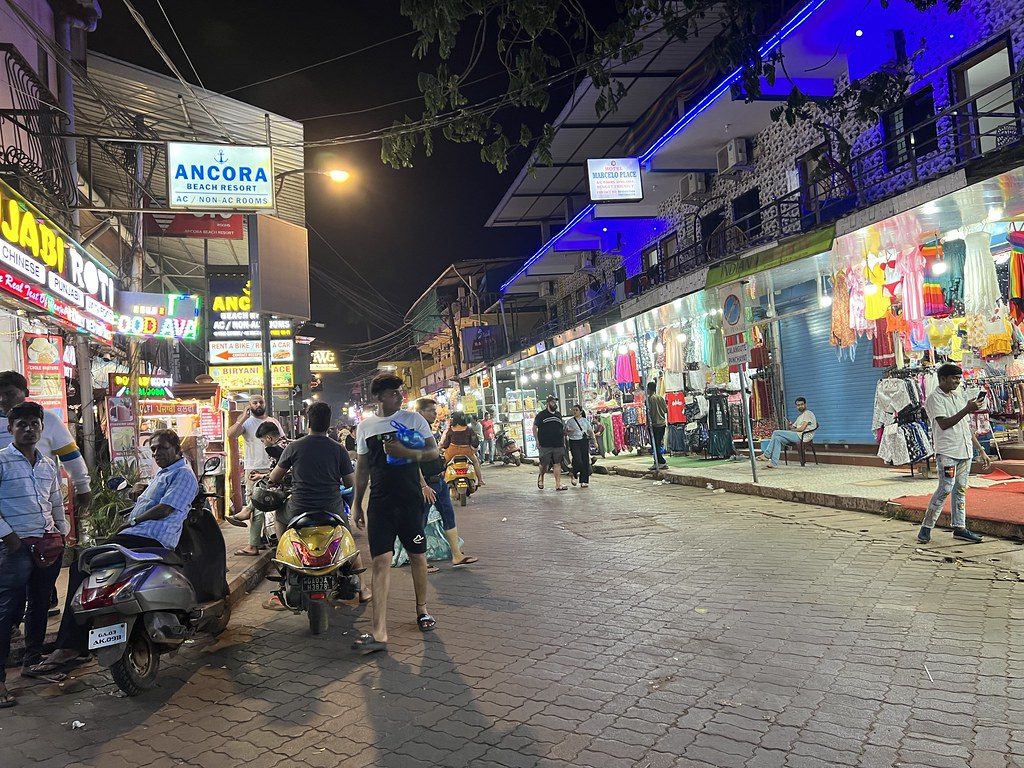
Chapora's jetty sits on the river mouth below the old Chapora fort. Fishing boats unload in the morning, and buyers crowd the jetty for the catch. It is a working place, not a tourist one. Come early. Shoot crews unloading and buyers bargaining, with the boats and their flags behind. Stay out of the way of crews and carts, and ask before close portraits. The fort above gives a view over the river. In the monsoon, the jetty is quieter and the sky dramatic.
Basilica of Bom Jesus
The Basilica of Bom Jesus in Old Goa is a 16th century church that holds the relics of St Francis Xavier. Pilgrims and visitors come all day, and the feast of St Francis Xavier in early December brings huge crowds. Come in the morning, when the light hits the facade. Photograph pilgrims outside rather than inside during Mass. Dress modestly, and ask before photographing people praying. The Se Cathedral and other churches of Old Goa stand across the lawns, so you can walk between them.
Margao Market
Margao is South Goa's main town, with a large market selling fish and produce to local shoppers. It sees few tourists, which makes it more relaxed for photography. Mornings are best. Frame vendors in the covered lanes, where light falls in strips, and wait for a shopper to step into it. Margao's old houses and church square nearby are worth a walk. The train station is busy too, but ask before photographing there, as the FCDO notes railway photography can be misunderstood.
Photographing people in Goa
Photographing people in public is generally legal in India. The legal analysis in The Draft is a useful guide for Goa: a person on a public street may photograph what is visible, and private 'no photography' signs have no legal force there. But entering a porch or courtyard without consent is trespass, and persistent or intrusive shooting can be harassment or a privacy violation. Commercial shoots may need permission. The UK FCDO also warns that photography near military sites and railway stations can be misunderstood. This is general information, not legal advice.
Goans are generally friendly and relaxed, but they are tired of tourists treating homes and people as props. Ask before portraits, especially of women and older residents, and buy from the vendors you photograph. Move on if someone objects. More in how to photograph strangers.
General information, not legal advice. More in is street photography legal?
What to photograph in Goa
- Colored Portuguese era houses with balconies and tiled roofs.
- Fish markets and fishing boats at dawn.
- Catholic life: whitewashed churches and roadside crosses.
- Carnival floats and dancers in February.
- Scooters, the way everyone gets around, often carrying whole families or a load of fish.
- Old men on verandas in the villages, with time to talk if you ask first.
- Market vendors with red chillies and Goan sausages.
- Beach life and shacks at sunset.
- Tavernas and bakeries in the villages, where locals gather in the evening.
- Monsoon: rain, green fields and the São João festival in late June.
A one-day photo walk
A Friday route from Panaji.
- 7:00, Fontainhas. Quiet lanes in morning light, before visitors arrive.
- 8:30, Panjim Market. A 10 minute walk. Fish and flowers.
- 10:00, Mapusa Market. About 30 minutes by taxi or scooter. The Friday market.
- 13:00, lunch and rest. Try a fish thali and wait out the heat.
- 16:00, Chapora Fishing Jetty. About 25 minutes by scooter. Boats and the fort.
- 18:00, Vagator or Anjuna beach. Sunset crowds and beach shacks nearby, a short ride from the jetty.
When to shoot
November to February is dry and pleasant. March to May gets hot, and the monsoon runs from June to September, when markets and villages are green and quieter. Carnival is held in February before Lent (13 to 17 February in 2026, with the Panaji parade on 14 February). Markets are best in the morning.
The light
Soft coastal light in winter, with hazy golden evenings. Colored house facades in Fontainhas glow in morning light. Monsoon skies are dramatic but dark.
What to bring
A 35mm prime for the lanes and markets, a longer lens for the jetty and Carnival parade. A rain cover in the monsoon.
Safety
Generally safe. Watch for traffic on narrow roads at night, and for strong currents on beaches in the monsoon. Keep valuables close in crowded markets.
Tips for Goa
- Season: November to February is dry and comfortable. The monsoon runs from June to September.
- Carnival: February, before Lent. In 2026 it ran 13 to 17 February, with the Panaji parade on 14 February.
- Market days: Mapusa on Friday; Anjuna on Wednesday in season.
- Transport: rent a scooter or hire a taxi. Distances are longer than they look.
- Old Goa: the feast of St Francis Xavier in early December brings pilgrims from across India.
- Fontainhas: go early and stay on the street.
- Light: morning markets, sunset beaches. See street photography settings.
Frequently asked questions
Is street photography legal in Goa?
Photographing people in public is generally legal in India. In Fontainhas, residents have put up 'no photography' signs; they have no legal force on a public street, but entering porches or courtyards without consent is trespass, and intrusive photography can be harassment. Ask at churches before photographing worshippers, and ask women before close portraits. General information, not legal advice.
Where are the best street photography spots in Goa?
Start with Fontainhas, Panjim Market, Mapusa Market, Anjuna Flea Market. Panaji's old Latin Quarter of colored houses and narrow lanes. Residents are tired of visitors; stay on the street and be discreet.
When is the best time for street photography in Goa?
November to February is dry and pleasant. March to May gets hot, and the monsoon runs from June to September, when markets and villages are green and quieter. Carnival is held in February before Lent (13 to 17 February in 2026, with the Panaji parade on 14 February). Markets are best in the morning.
What lens should I bring to Goa?
A 35mm prime for the lanes and markets, a longer lens for the jetty and Carnival parade. A rain cover in the monsoon.
Is Goa safe for street photographers?
Generally safe. Watch for traffic on narrow roads at night, and for strong currents on beaches in the monsoon. Keep valuables close in crowded markets.
More street photography in India
Start with the India street photography guide, then pick a city.