
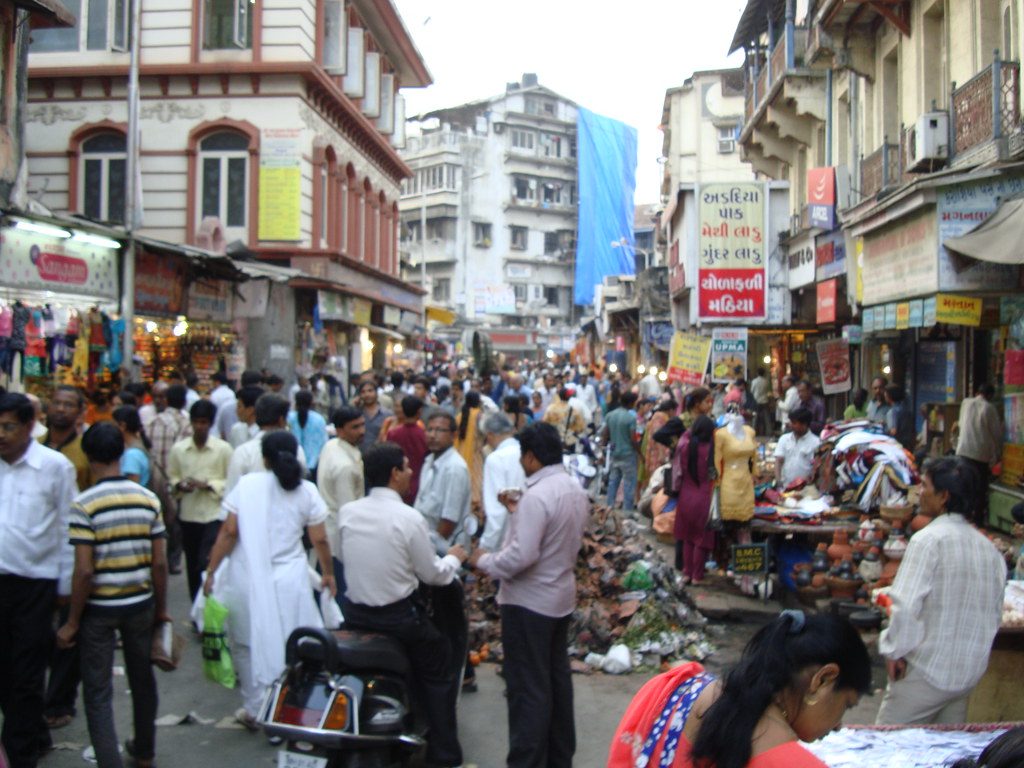
Street Photography in Mumbai
A city of contrasts: colonial streets, fishing villages, trains and markets, with dramatic light by the sea.
- Spots
- 8
- Best time
- November to February (dry, cooler)
- Lens
- 28mm or 35mm
- Photographing people
- Generally allowed
Mumbai is one of the best cities in the world for street photography because it puts extreme contrasts side by side: Gothic railway stations and fishing villages, flower markets at dawn and crowds on the seafront at dusk. f.d. walker of Shooter Files calls it one of the best cities you will find for street photography, and Eric Kim puts it in his personal top 20.
People here are rarely camera-shy. The usual problem, as walker puts it, is posing and people asking you to take their photo. The real obstacles are light and security. Midday sun is brutal, and many local photographers do not go out until after 3 or 4 pm. Railway stations and docks are sensitive, and guards may stop you. Plan your day around sunrise and late afternoon, use the local trains to hop between neighborhoods, and put the harsh middle of the day into covered markets or a long chai break.
Best street photography spots in Mumbai
Marine Drive
Marine Drive is a 3.5 km curved seafront boulevard in South Mumbai. Walkers, joggers, couples and families use it from dawn until late at night. Come early morning, when the sun is behind you and lights people facing the sea, or at sunset for crowds and silhouettes. Girgaon Chowpatty beach at the north end fills with families and snack sellers in the evening. Composition idea: a row of people on the sea wall, spaced like notes on a line. Caution: it has been photographed endlessly, so work for a fresh angle.
Dadar Flower Market
Dadar's flower market runs along the road just west of Dadar station. Trucks unload heaps of marigolds and roses around sunrise, and resellers crowd the stalls to buy. Saurabh Chatterjee, who runs photo walks in Mumbai, suggests 6:30 to 7:30 am, when there is enough light. As the sun climbs, it hits some stalls and leaves others in shade, which gives you strong light and shadow. Composition idea: a porter under a basket of marigolds, lit by a single shaft of sun. Caution: porters move fast with heavy loads, so stay out of their path.
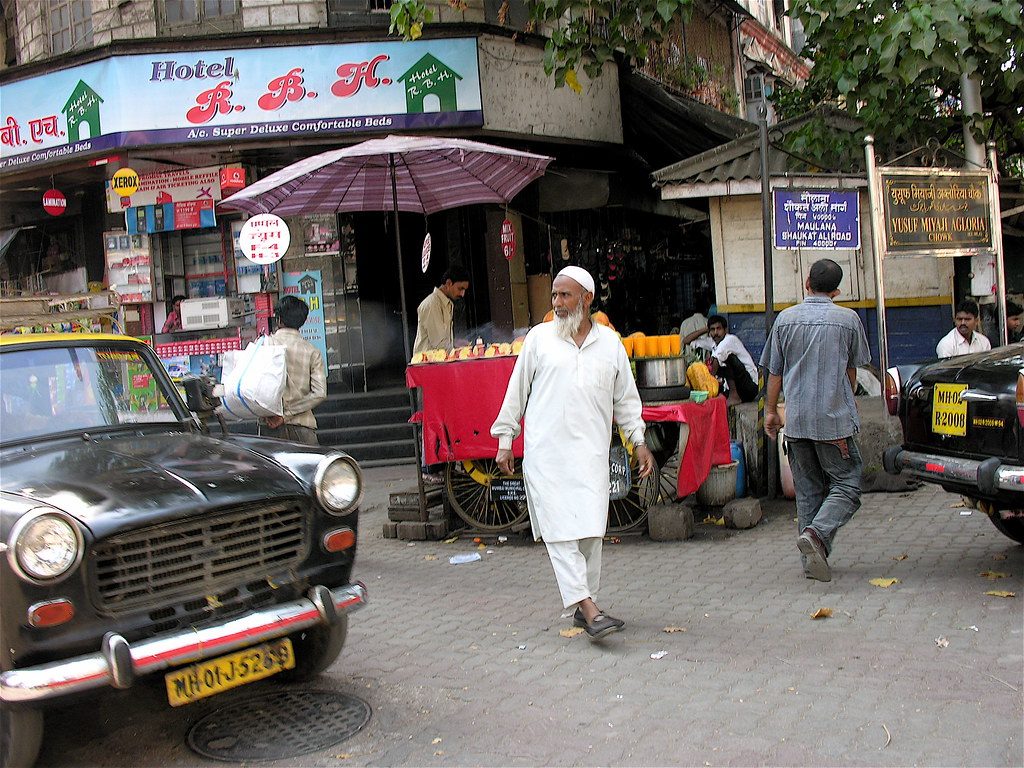
Worli Koliwada
Worli Koliwada is a fishing village of the Koli community, Mumbai's original inhabitants, on the tip of land facing the Bandra-Worli Sea Link. Come about an hour after sunrise, when fishermen return and sort the catch. The walk through the lanes to the old Worli Fort is about 2 km. The lanes are narrow, with brightly painted houses and doors, and kids play cricket in open spaces near the water. Composition idea: a fisherman mending nets with the Sea Link behind. Caution: this is a home, not an attraction, so ask before shooting inside doorways.
Crawford Market
Crawford Market, officially Mahatma Jyotiba Phule Mandai, is a colonial-era market near CST selling fruit and spices. Chatterjee recommends 9 to 11 am or 4 to 6 pm, when light filters through the high windows. Shoot the workers carrying baskets from trucks, or the mango sellers in season, roughly April to June. Stand in the aisles and use the window light as a spotlight. Composition idea: a porter crossing a beam of window light with dust in the air. Caution: the aisles are narrow and busy, so keep moving and watch your bag.
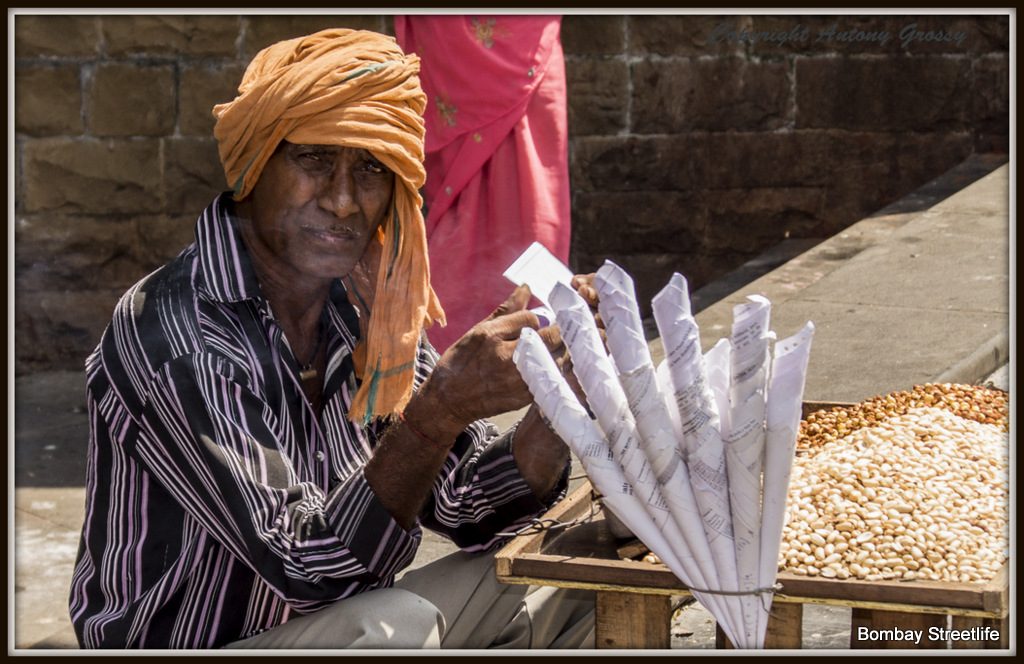
Chor Bazaar
Chor Bazaar is one of the biggest flea markets in India, in crumbling streets near Mutton Street, full of antiques and old Bollywood posters. It is busiest from 11 am to 3 pm on Fridays and Saturdays, though that is also harsh light, so work the shade under awnings. Stand at a corner and let the chaos layer itself. Composition idea: a shopkeeper framed by stacks of old lamps and signs. Caution: backgrounds are very busy, so simplify by shooting close, and ask before photographing inside shops.
Banganga Tank
Banganga is an ancient water tank tucked behind the Walkeshwar Temple on Malabar Hill, surrounded by temples and stone steps. Chatterjee calls it the Varanasi of Mumbai. Go on a weekend between 7 and 9 am for rituals and holy dips, and people with shaved heads performing rites for their ancestors. Stand on the upper steps and look across the water. Composition idea: a bather in the tank with the steps as a frame. Caution: this is a place of worship and grief, so shoot from a distance and ask before any close portrait.
Sassoon Docks
Sassoon Docks in Colaba is one of the oldest docks in Mumbai and a busy fish market. Boats land and the catch is auctioned from around 5 to 8 am, with Koli women carrying baskets of fish. Photography is a gray area here. Some visitors report it is prohibited because of security, and enforcement varies, so ask permission at the gate and stop if told to. Chatterjee suggests a fill flash for faces against the rising sun. Composition idea: a basket carrier backlit by the dawn. Caution: the floor is slippery, so wear closed shoes.
Bandra West
Bandra is an upscale suburb with painted walls and old Catholic villages like Ranwar, whose houses glow at Christmas. Chapel Road has big murals of film scenes. Come from late afternoon, then head to Bandstand Promenade for sunset, when joggers and couples fill the seafront and people walk out on the rocks at low tide. Walk to Bandra Fort at the end. Composition idea: a passerby who mirrors a pose in a mural behind them. Caution: the rocks are slippery near the waterline.
Photographing people in Mumbai
There is no general law in India against photographing people in public, and most people are happy to be photographed. Many will pose or ask for a picture, especially of a foreigner. The limits are around security. Indian Railways requires permission for photography on railway property, and in 2025 railway officials said they were enforcing the rules more strictly. Guards at CST and other stations often stop cameras, so shoot from inside moving trains or outside the station. Docks, naval areas, airports and bridges can be sensitive, and police may ask you to delete. At temples and ghats, ask first and remove shoes where required. Be careful photographing women without consent and in slums. People's poverty is not your subject by default. Chatterjee's approach works: a smile or a namaste first, and show people the photo on your screen. This is general information, not legal advice. See is street photography legal.
General information, not legal advice. More in is street photography legal?
What to photograph in Mumbai
- The local trains: commuters hanging from open doors and vendors walking the aisles. Shoot from inside the train while it moves.
- Markets of every kind, from flowers to antiques.
- Koli fishing communities in Worli and Colaba.
- Colonial architecture around Fort and CST as a backdrop for crowds.
- Seafront life on Marine Drive and Bandstand, where couples and snack sellers gather at sunset.
- Chai stalls and street food, with steam and faces lit by stoves.
- Festivals, when the city pours into the streets.
- Contrast: Mumbai's richest and poorest often share one frame. Show it with respect, not as spectacle.
A one-day photo walk
- 6:30 Dadar Flower Market. Local train to Dadar. Shoot the unloading and early trade for about an hour.
- 8:00 Worli Koliwada. Taxi, about 15 to 20 minutes. Walk the lanes to the fort as the boats come in.
- 10:00 Crawford Market. Taxi south, about 30 to 40 minutes depending on traffic. Use the window light before midday.
- 11:30 Chor Bazaar. Short taxi ride north, about 10 minutes. Best on a Friday or Saturday.
- 13:30 Break. Chai and lunch in the shade while the light is at its worst.
- 16:30 Marine Drive. Taxi, about 15 minutes. Walk north to Girgaon Chowpatty for sunset crowds and silhouettes, and stay into the evening.
When to shoot
November to February (dry, cooler). Avoid June to September monsoon unless you want rain scenes.
The light
Harsh midday light; much easier after 3 to 4 pm and in the morning.
What to bring
28mm to 35mm; the local trains are part of the subject.
Safety
Generally safe; crowds on local trains are intense.
Tips for Mumbai
- A 28mm or 35mm lets you work close in markets and on trains. See best lens for street photography.
- Shoot from sunrise to about 10 am and after 3 to 4 pm. Midday light is harsh.
- November to February is dry and cooler. The monsoon runs from June to September. It is great for rain scenes but hard on gear, so bring rain covers.
- Ganesh Chaturthi in August or September ends with huge immersion processions to the sea at Girgaon Chowpatty. Holi in March and Diwali in October or November fill the streets too.
- Use the local trains but avoid rush hours with a camera bag. Watch for pickpockets at stations.
- Bring a small fill flash for backlit faces at the docks and in dark markets.
- At Dhobi Ghat, walker warns that people at the doorways ask for entry fees. Do not pay them.
Frequently asked questions
Is street photography legal in Mumbai?
Permissive in the street, but railway stations (for example CST) and docks may stop you. Ask at religious sites.
Where are the best street photography spots in Mumbai?
Start with Marine Drive, Dadar Flower Market, Worli Koliwada, Crawford Market. Mornings for front light, evenings for crowds.
When is the best time for street photography in Mumbai?
November to February (dry, cooler). Avoid June to September monsoon unless you want rain scenes.
What lens should I bring to Mumbai?
28mm to 35mm; the local trains are part of the subject.
Is Mumbai safe for street photographers?
Generally safe; crowds on local trains are intense.
More street photography in India
Start with the India street photography guide, then pick a city.