
Street Photography in India
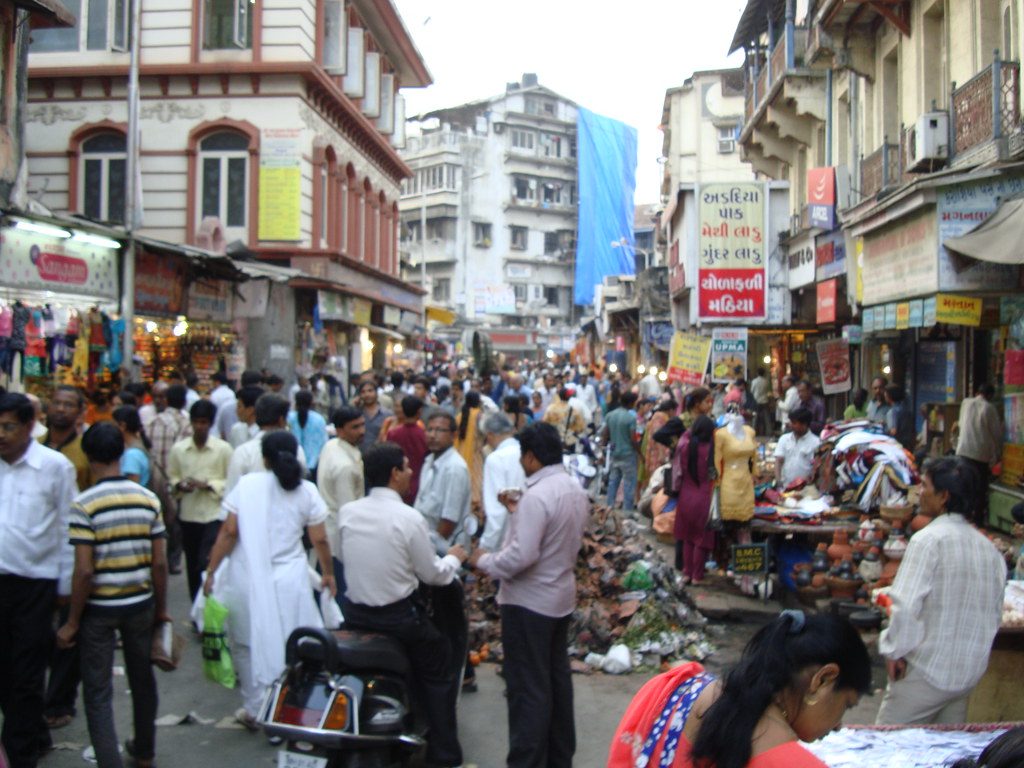
India puts more life into one street than most countries put into a city, and most people are happy to be photographed.
India street photography is about density. Markets, prayers, traffic, work and cows all share the same narrow lane, and most of it happens in the open. The French photographer Keivan Cadinouche called it an open-air theater, and anyone who has stood in Old Delhi at 8am knows what he meant.
People are the other reason. Across most of India, a camera draws smiles and requests more often than complaints. Kids will ask for one photo, then ten. Adults will invite you in for chai. That openness makes candid work harder and portraits easier, so plan for both.
The challenge is you. The noise and heat can wear you down in a few days, and the scene changes faster than you can compose. Photographers who come back with strong work usually say the same thing: slow down and stay with one story. This guide covers which city suits your style, a route between them, when to go and the customs that matter at temples and ghats.
City guides for India
- Mumbai
A city of contrasts: colonial streets, fishing villages, trains and markets, with dramatic light by the sea.
 Kolkata
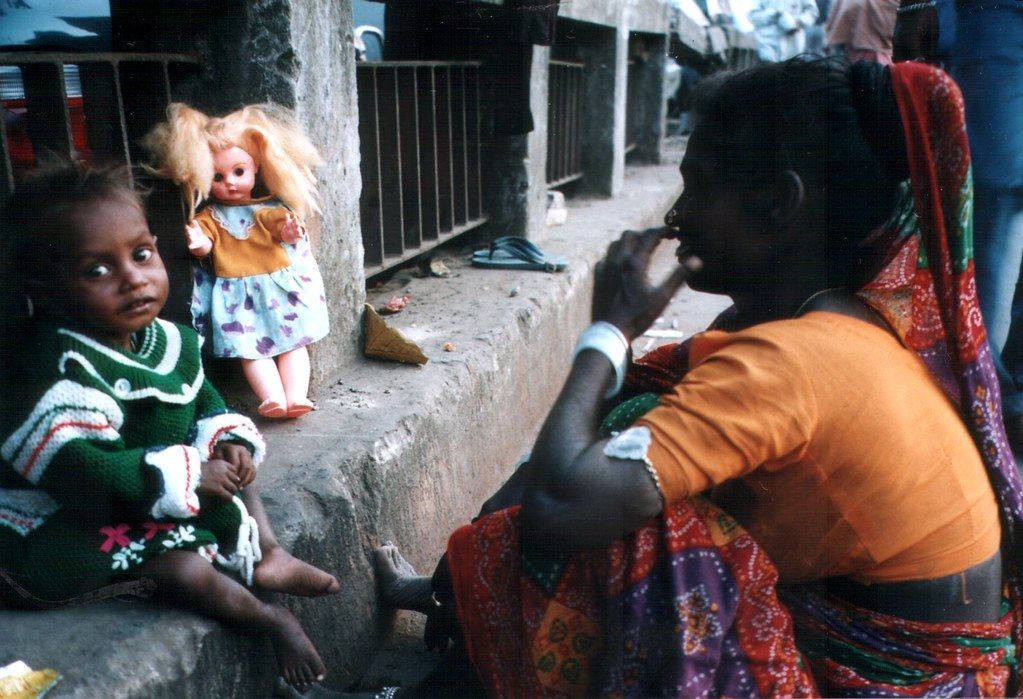
Yellow taxis, flower markets, wrestlers and river ghats: one of the most human and photographer-friendly cities anywhere.
 Delhi
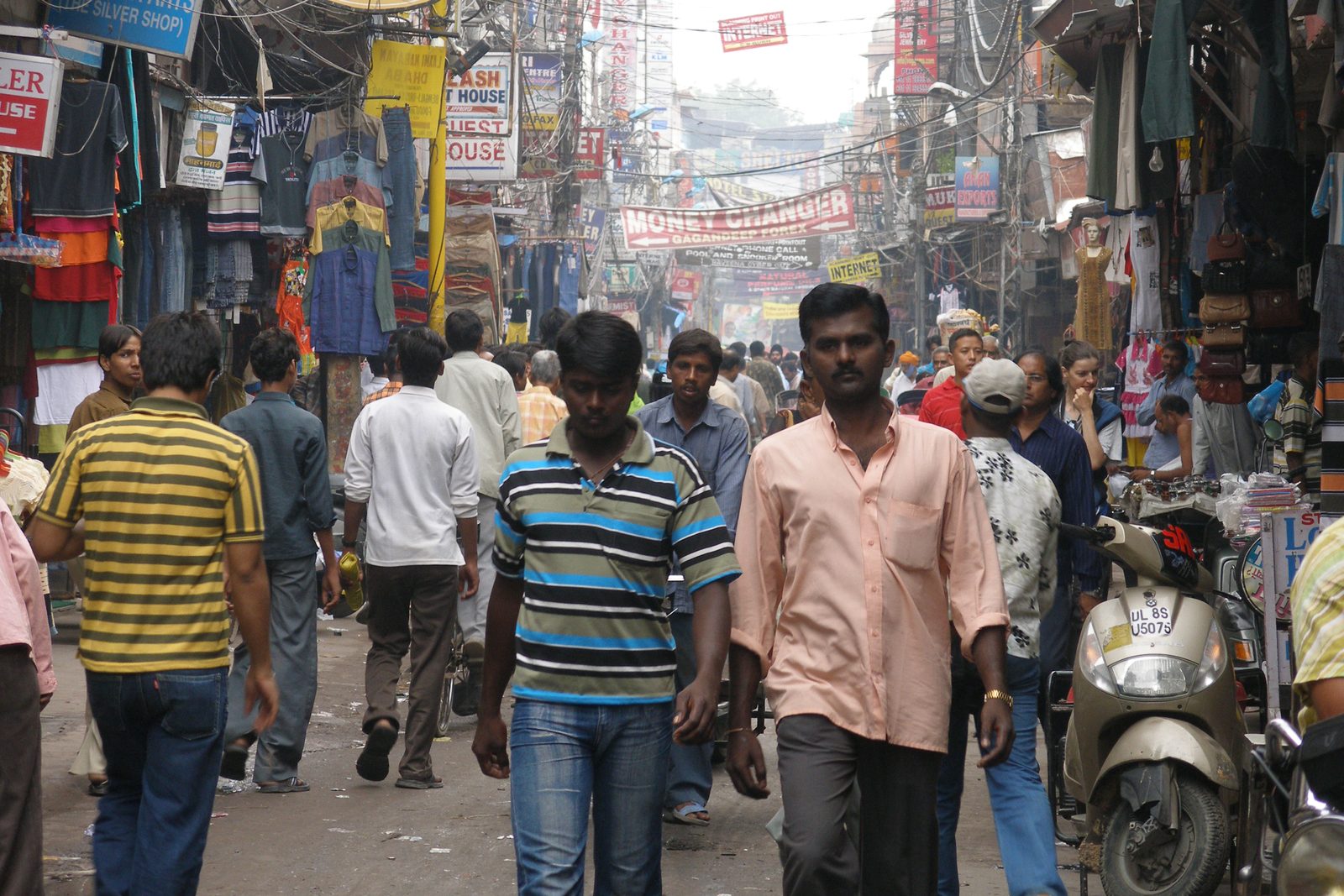
DelhiOld Delhi is one of the densest street scenes on earth, and people in India are famously open to cameras.
 Varanasi
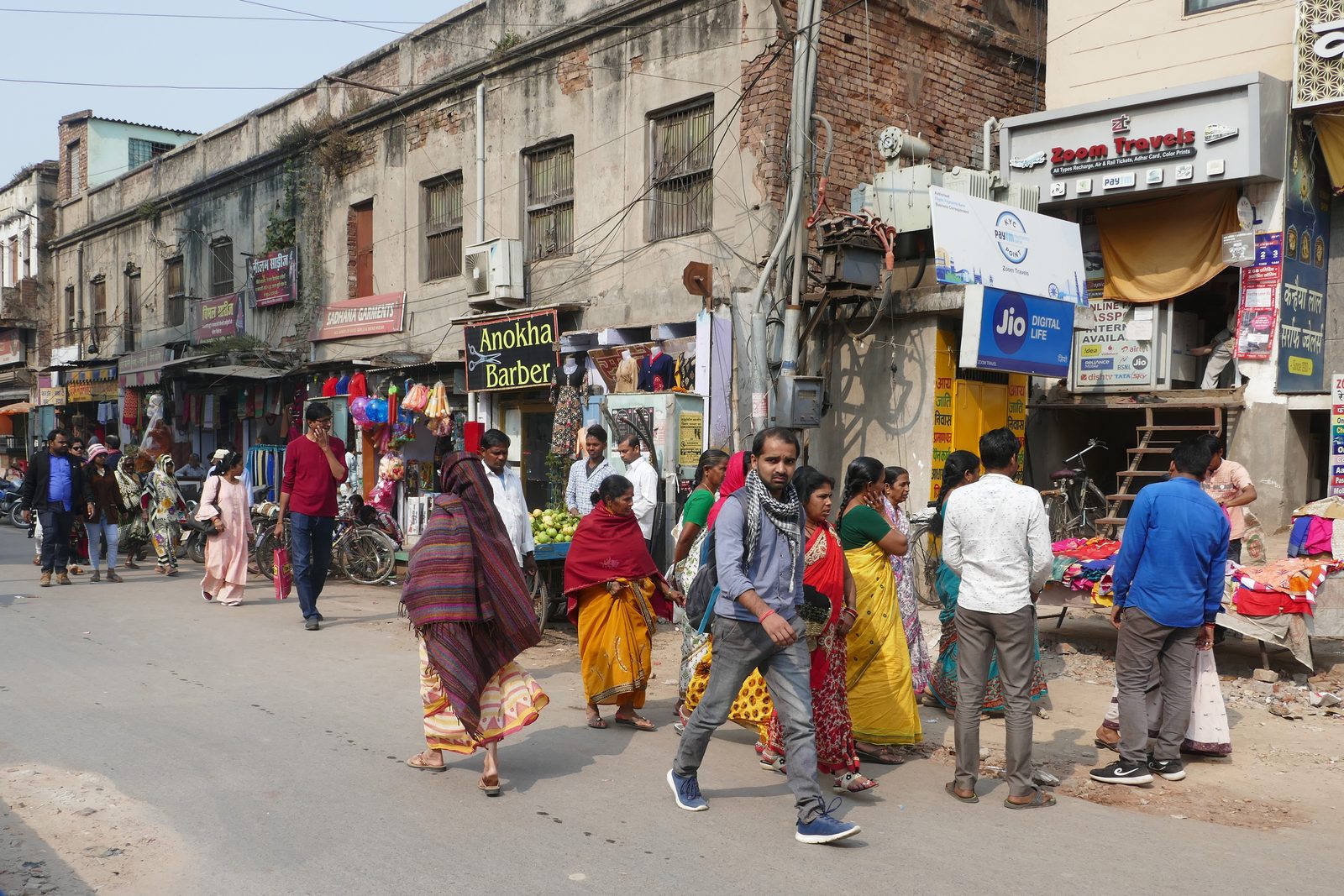
Worship and daily life happen in the open on the east facing ghats of the Ganges, and the morning light hits them head on.
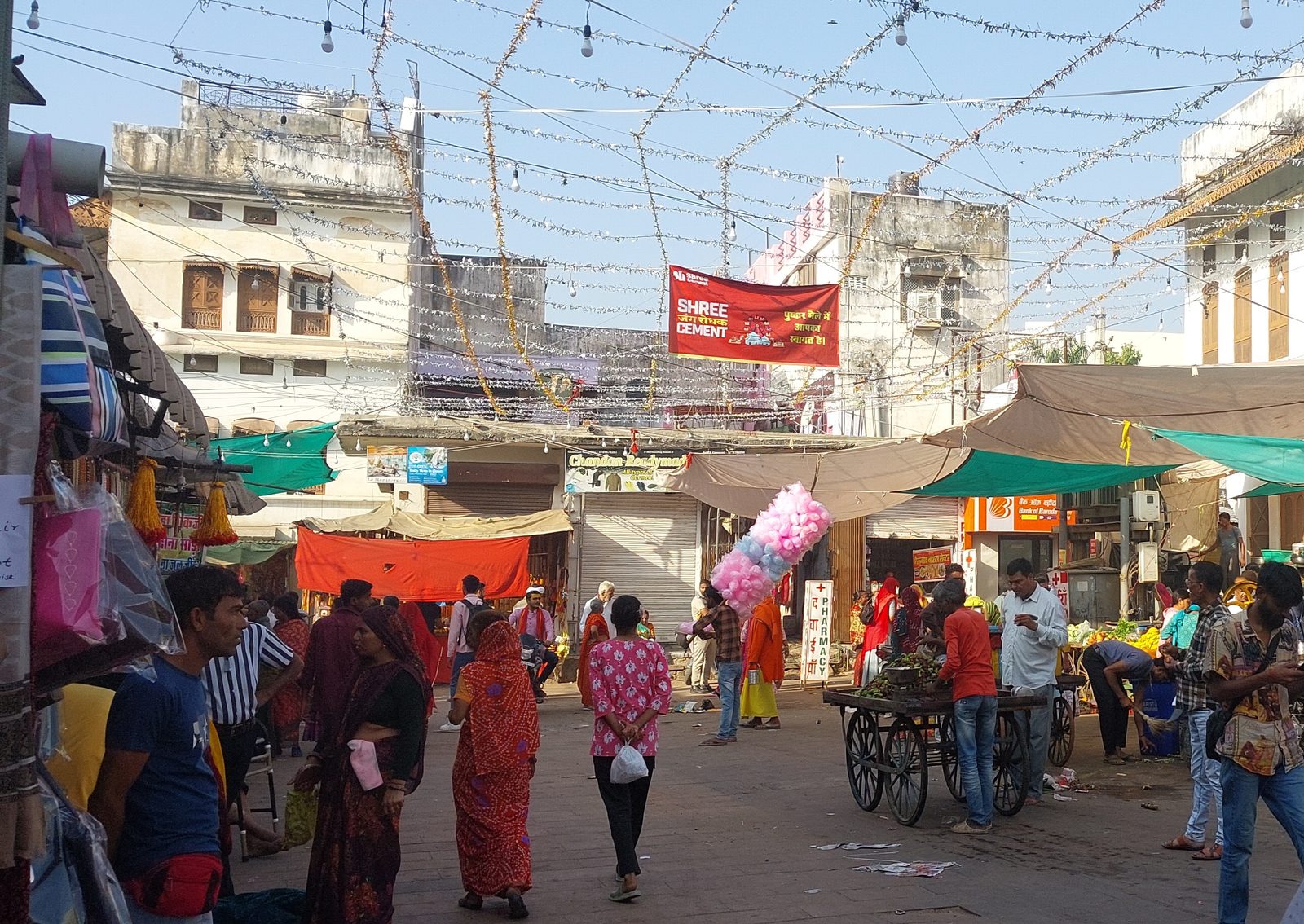 Pushkar
Pushkar is a small holy town wrapped around a sacred lake, and once a year the camel fair brings herders and their camels to its edge, which makes it one of India's most photographed places.
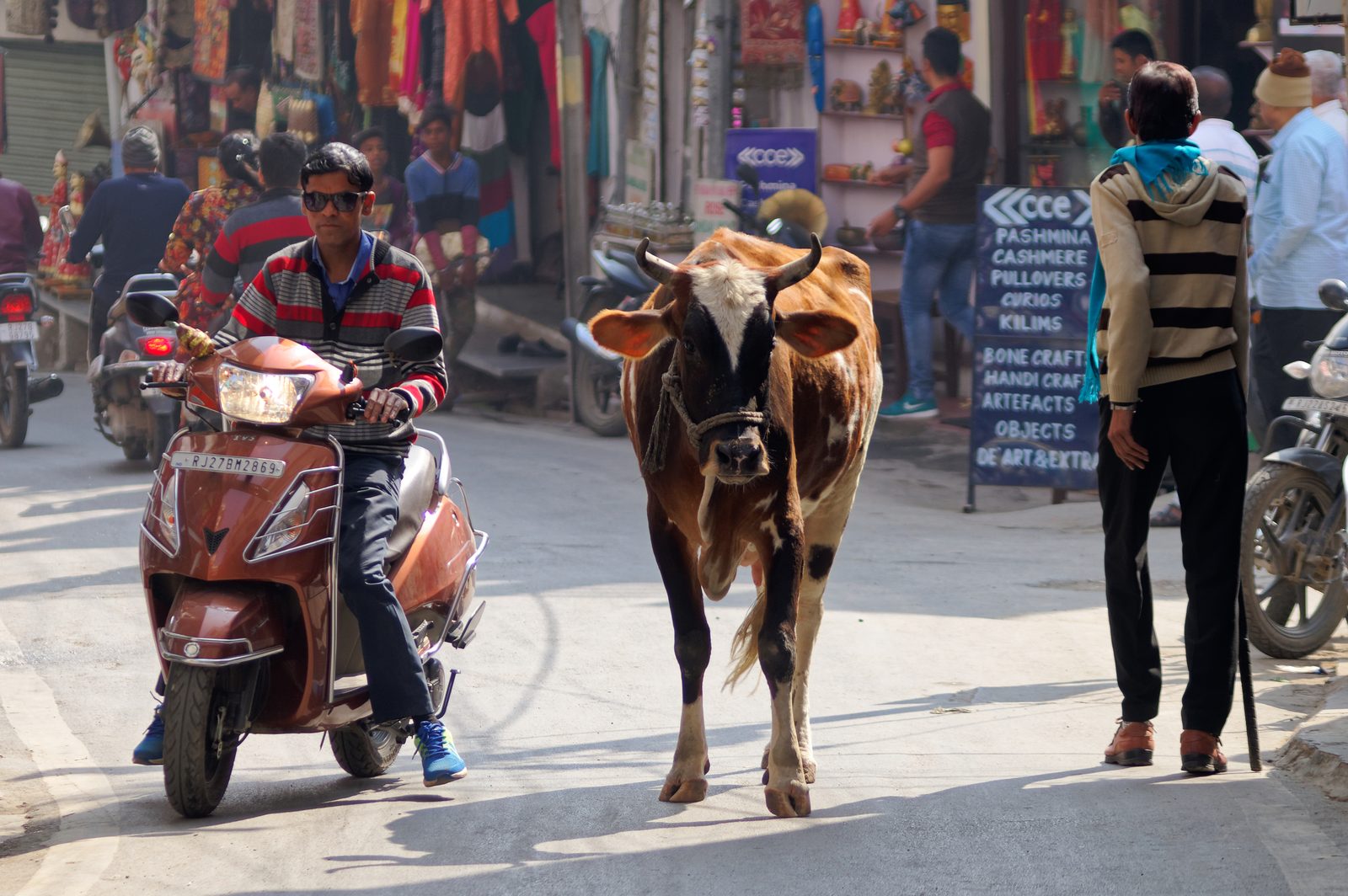 Udaipur
Udaipur puts palaces and lakes behind a lively old city of bazaars and ghats, where everyday life happens on the steps of Lake Pichola and in lanes full of textiles and miniature painters.
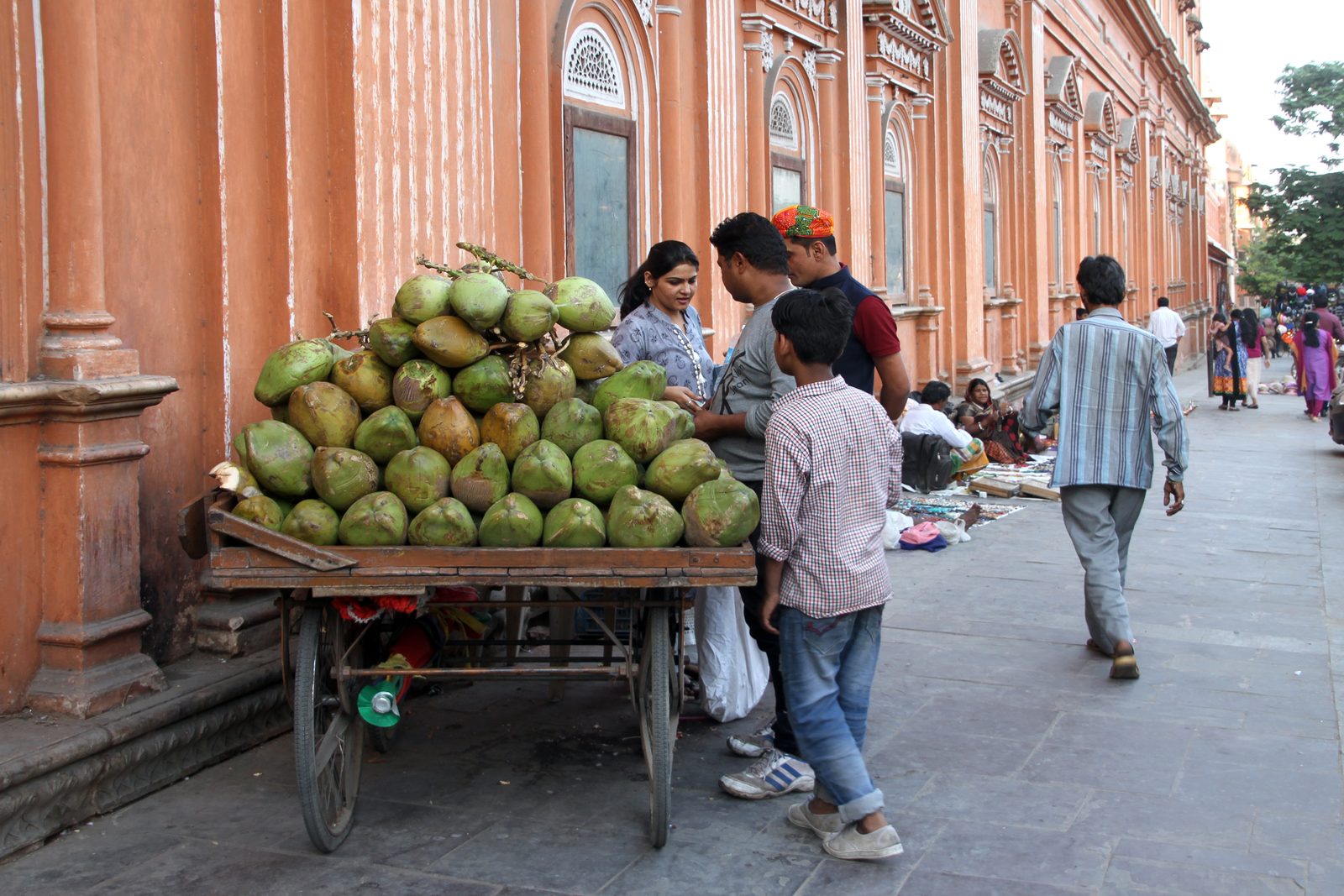 Jaipur
The walled Pink City is a grid of bazaars where craftsmen work with their doors open, framed by terracotta facades that glow in morning light.
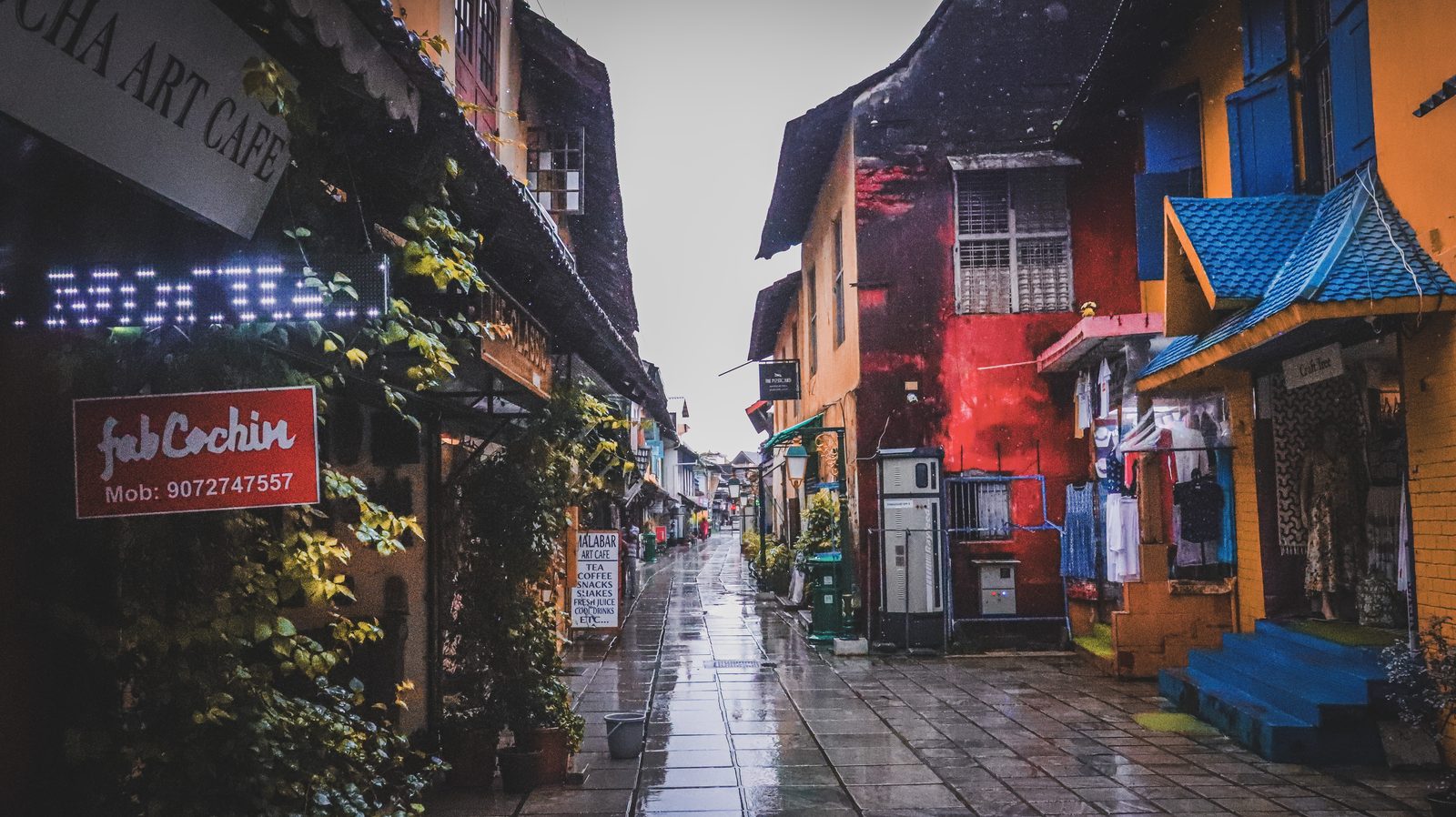 Kochi
KochiKochi mixes Kerala's old spice trade with centuries of Portuguese, Dutch, Jewish and Chinese influence, so you get fishing nets at sunrise and spice porters in Mattancherry within a short auto ride, all in slower, gentler streets than most Indian cities.
 Goa
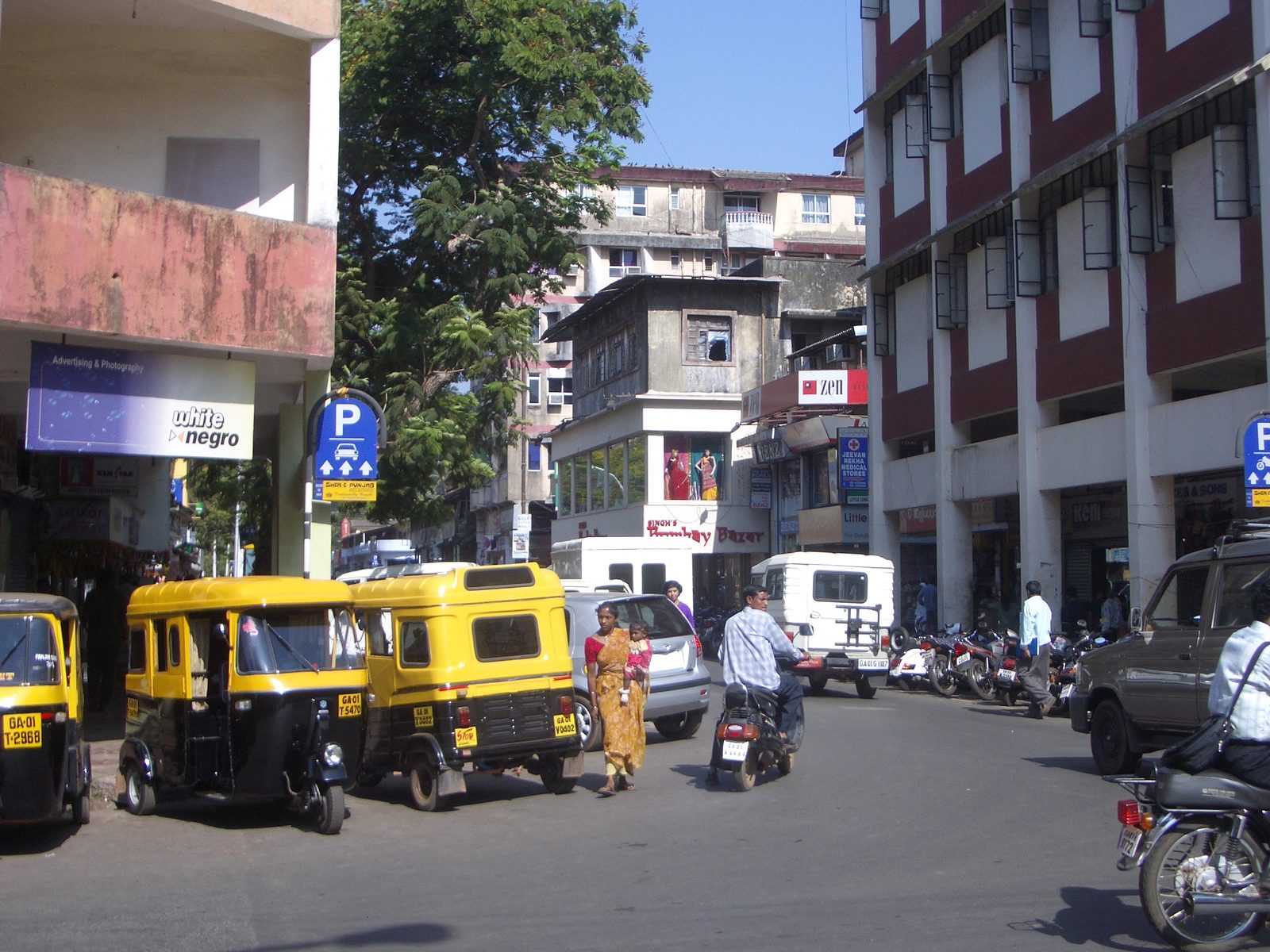
GoaGoa mixes Portuguese era lanes and weekly village markets with beach life, so it gives you a slower, softer kind of Indian street photography than the big northern cities.
What makes India different to shoot
Everything is close. Streets are narrow and crowded, so there is rarely room to step back. A 28mm or 35mm lens is the usual choice, and many photographers find a wider lens useful in the old cities.
Color is loud. Saris, painted walls, flower markets and festival powder fill the frame. Black and white works too, and some of the best India work is monochrome, but you lose a lot of what makes the place. Try both and see what your pictures need. Our guide to color photography helps with busy palettes.
Crowds form around you. Stop to shoot one person and three more may step in to be photographed. Take the posed shot, show people the screen, then wait. After a few minutes you are furniture again and candid moments come back. Working the scene this way beats chasing new ones every minute.
Start early. Cities wake before sunrise, when the light is soft and the heat is low. Many photographers are out before 5am.
Training your eye before you go helps more here than anywhere, because India throws more at you than you can process. That is the skill our online street photography course works on in short daily lessons.
Which city for which photographer
Delhi: Old Delhi around Chandni Chowk and the spice market of Khari Baoli is one of the densest street scenes anywhere. Go for chaos and layers.
Varanasi: worship and daily life on the ghats of the Ganges, with morning light hitting the east-facing steps head on. Go for ritual and mist.
Kolkata: the flower market under Howrah Bridge and the clay idol makers of Kumartuli. People here are some of the friendliest to cameras in the country.
Mumbai: local trains, fishing villages, colonial streets and the sea along Marine Drive. It is faster and more modern than the others.
Jaipur: bazaars in the walled Pink City, with craftsmen working behind open doors and terracotta facades that glow in morning light.
Four more places are on our list for future pages: Pushkar for its camel fair, Udaipur for its lakes and old city, Kochi for its Kerala mix of fishing nets and churches, and Goa for a slower, beach-town pace.
A route by train
A classic two to three week loop in the north:
- Delhi, three days. Old Delhi at dawn, then the Nizamuddin dargah in the evening, when qawwali singers often perform.
- Jaipur, three days. A few hours by train from Delhi. Bazaars in the morning, rooftops at sunset.
- Varanasi, four days. An overnight train or a short flight. The ghats need time. Go back to the same steps each morning.
- Kolkata, four days. Another overnight train. End with the flower market and the river.
Fly to Mumbai from any of these if you have more time. Night trains are an experience worth having once. Book air-conditioned sleeper classes well ahead, since they sell out. Inside cities, auto rickshaws are cheap for short rides. Plan a rest day in the middle. India drains you, and tired eyes make bad pictures.
Seasons and festivals
October to March is the main season in the north: dry and cooler. From about mid November to January, Delhi and the plains can get heavy smog and fog. Fog on the Ganges is beautiful. Smog in Delhi is hard on your lungs. April to June is very hot, and the monsoon runs from about June to September. Monsoon streets in Mumbai are dramatic if you can keep your gear dry.
Festivals give you the biggest crowds and the most color. Dates follow the lunar calendar, so check each year:
- Holi, in March, with colored powder thrown everywhere. Protect your camera with a rain cover.
- Durga Puja in Kolkata, in September or October. Kumartuli's idol makers work flat out in the weeks before.
- Diwali, in October or November, with lamps and fireworks after dark.
- Dev Diwali in Varanasi, about two weeks after Diwali, when the ghats are lit with lamps.
- Pushkar Camel Fair, in October or November.
Customs and sensitive sites
- Ask at religious sites. Many temples ban cameras inside, and some ban them in the whole compound. Take off your shoes where others do and dress modestly.
- Never photograph cremations. At Manikarnika Ghat in Varanasi and other burning ghats, custom forbids it and the people who run the ghats enforce it.
- Ask women first, especially in rural areas and conservative neighborhoods, and be careful around people bathing.
- Security sites are off limits. Military areas are protected under the Official Secrets Act. Travel advisories also warn against shooting airports and bridges, and staff at some railway stations may stop you.
- Some people ask for money. Sadhus in Varanasi and Pushkar often expect a tip for a portrait. Decide your own rule before you arrive.
- Watch your gear in crowded markets and on trains, and ignore touts offering tours near stations.
Photographing people in India
India has no general law requiring consent to photograph people in public. Wikimedia Commons lists taking a photo of a person in a public space as not requiring consent, and publishing as not requiring consent with some exceptions, while commercial use needs it. The clear legal line is voyeurism: photographing a woman in a private act, where she would expect privacy, is a crime with prison terms. It was added to the Indian Penal Code in 2013 and carried into the new criminal code in 2024.
Custom matters more than law here. Most people are open and curious. Some are not, especially women and people at prayer. Families at cremation grounds should be left alone. If someone waves you off, stop. When you want a portrait, a smile and a raised camera usually get an answer in seconds. Showing people the photo on your screen almost always goes down well. This is general information, not legal advice. See is street photography legal and how to photograph strangers.
General information, not legal advice. More in is street photography legal?
When to go
October to March. Arrive before sunrise for the best light and the most street life, and expect smog in Delhi from mid November to January.
Frequently asked questions
Is street photography legal in India?
Yes. Photographing people in public is generally legal. The limits are voyeurism, which is a crime, and security sites such as military areas. Religious sites set their own rules. This is general information, not legal advice.
Do people in India mind being photographed?
Most people are open and many ask to be photographed. Women and people at prayer are the main exceptions. Ask first in those cases and accept a no.
Can you take photos at the burning ghats in Varanasi?
Not of cremations. Custom forbids it and the people who run the ghats enforce it. You can photograph the river and the other ghats, but keep your camera down near the pyres.
What is the best city in India for street photography?
Old Delhi for sheer density, Varanasi for ritual and light, Kolkata for friendly people and Mumbai for trains and the sea. If you only have a week, pair Delhi with Varanasi.
When is the best time for street photography in India?
October to March in the north. Festivals like Holi in March and Diwali in October or November give you the biggest crowds.