
Street Photography in Kolkata
Yellow taxis, flower markets, wrestlers and river ghats: one of the most human and photographer-friendly cities anywhere.
- Spots
- 8
- Best time
- November to February
- Lens
- 35mm
- Photographing people
- Generally allowed
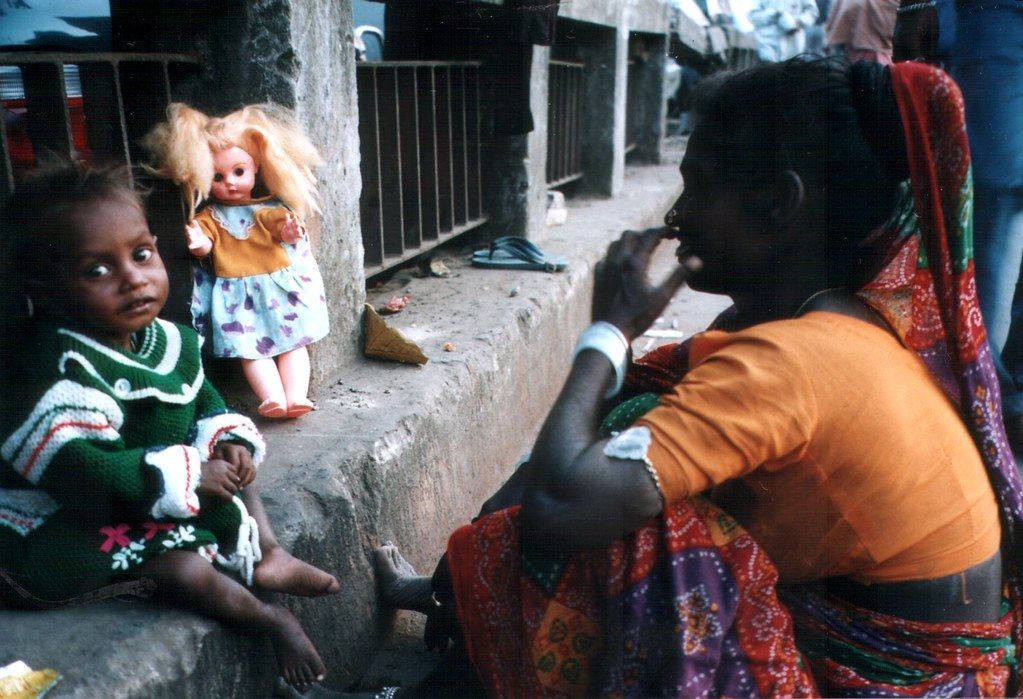
Kolkata is one of the best cities in the world for street photography because life happens in public and most people are happy to be photographed. Flower sellers, wrestlers, idol makers, bathers at the river and kids playing cricket in the lanes all share the same few kilometers of old city.
Rohit Vohra, who has run workshops here for a decade, ranks it among his top three places in India, and Alexander Kreslavsky rates it above Varanasi for variety. Vietnam Streets puts it simply: the city does not perform for cameras.
The light is best in the first hours after sunrise, when haze and river fog soften everything. By midday it is harsh, so start early and rest at lunch. Most of the classic spots sit along the Hooghly River around Howrah Bridge, so one well-planned morning covers a lot. Come between November and February for cool weather and fog.
Best street photography spots in Kolkata
Mullick Ghat Flower Market
This is the most photographed place in Kolkata, and for good reason. Under the east end of Howrah Bridge, sellers sit behind heaps of marigolds, stringing garlands while buyers bargain and porters carry baskets on their heads. Kreslavsky says to come before and after sunrise. Vohra focused on the rhythm of the garland makers' hands, which is a good idea to borrow: pick one stall and wait for a repeating gesture. Shoot low across the flowers so orange fills the foreground. Saurabh Chatterjee suggests the bylanes after the main area. Caution: paths are narrow and slippery, and porters move fast, so stand aside when you hear a shout.
Under Howrah Bridge
Below the bridge, a passage runs along the river where the light gets special. Kreslavsky times it for about two hours after sunrise, when the sun is high enough to reach under the steel and light the people walking through. Stand in the shade and expose for the bright strips of light, letting everything else fall to black. Layers work well here: a figure in light with the ironwork above. Caution: photography on the bridge deck was banned for years, and reports in 2018 only said the ban might be lifted. Shoot from below and from the banks, and put the camera away if police ask.
Kumartuli
Kumartuli is the potters' quarter in north Kolkata, where artisans sculpt clay idols of gods for the festivals. The weeks before Durga Puja, usually September to October, are the peak, with workshops full of half-finished Durga figures. Kreslavsky recommends morning or late afternoon before the sunset visitors. The lanes around it are old Kolkata at its best. Frame a craftsman working between rows of unpainted faces for scale and contrast. Caution: Chatterjee notes that photographers have damaged idols in the past. Never touch the work, and step aside when artisans need to move.
College Street
College Street is said to be the largest second-hand book market in the world. Tiny stalls line the pavement, stacked to the roof, with students and sellers haggling over titles. Vohra calls it the intellectual heart of the city. Chatterjee's tip is to find a stall with lots of student and seller interaction, or an old owner with an interesting face. Late morning is busy. Use the book walls as a frame around a face. Then climb to the Indian Coffee House, where waiters in turbans serve under high ceilings. Caution: stall owners are working, so buy a book or ask before a close portrait.
New Market
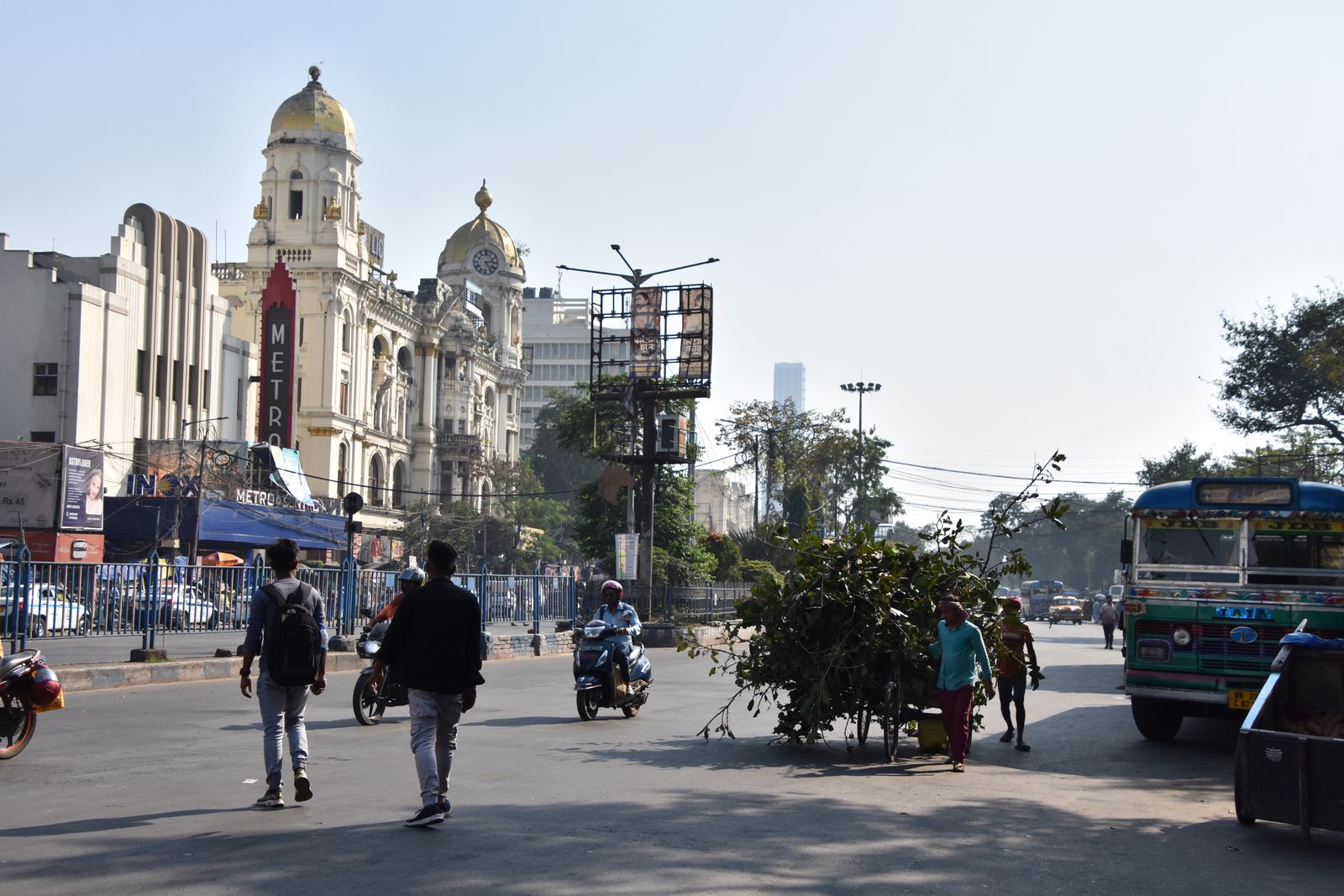
New Market, also called Hogg Market, is a colonial-era market hall surrounded by crowded shopping streets. Vohra describes it as chaotic and full of characters. Kreslavsky says weekend evenings are so packed you can barely walk, and he likes flash there. Afternoon and evening are best. The nearby chicken bazaar is busiest from an hour before sunrise if you want an early start. With flash, get close and shoot at 1/60 or slower to keep some ambient light. Caution: touts are everywhere and pickpockets work the crowds, so keep your bag in front.
Maidan
The Maidan is Kolkata's huge central park, with cricket matches and joggers. Kreslavsky says it is best around sunrise and prettiest in winter, and it gets busier on weekends. Vohra likes early mornings and late afternoons. The open space is a relief after the lanes. Go low and shoot a batsman or goalkeeper against the morning haze, which turns the background soft. Long shadows across the grass give you strong graphic lines. Caution: games are fast, so keep clear of the pitch.
Babu Ghat
Babu Ghat is a set of steps down to the Hooghly just south of the center. Kreslavsky says there is always something happening: bathers, prayers, massage and barbers. For light, come around sunrise or in the late afternoon, when the sun comes from across the river. Shoot from the top of the steps looking down, or at water level for silhouettes against the river. Prinsep Ghat, a short walk south, adds a colonial monument. Caution: people bathe here, so be discreet with bathers and ask before close portraits.
Kushti akhara near Mullick Ghat
The akhara is a traditional wrestling ground by the river where pehlwans train in kushti, covered in mud. Vohra recommends dawn, when training starts, and says wrestlers sometimes invite you in. Be aware of a change. Kreslavsky reports it has become mostly a paid photo shoot, with wrestlers waiting for photographers and prices he has heard from 1,500 to 7,000 rupees. Agree on a price before you shoot. Side light across the mud pit works well. Caution: this is posed work, not candid, so decide if it is what you want.
Photographing people in Kolkata
Photographing people in public is legal in India, and there is no general law requiring consent for a candid photo in a public place. India's data protection law of 2023 excludes data processed by an individual for personal purposes. Commercial use of someone's image is a different matter and needs consent. Do not photograph cremations, and expect bans inside many temples. See is street photography legal for more. This is general information, not legal advice.
Kolkata is friendly. Chatterjee writes that he has never had a difficult situation. Crowds may gather around you. Show the screen and move on. The rule he follows is simple: do not interfere with people's work. Be more careful with bathers and worshippers.
General information, not legal advice. More in is street photography legal?
What to photograph in Kolkata
- Garland makers and marigold porters at the flower market.
- Bathers and morning rituals on the ghats, with Howrah Bridge behind.
- Clay idols and their makers in Kumartuli.
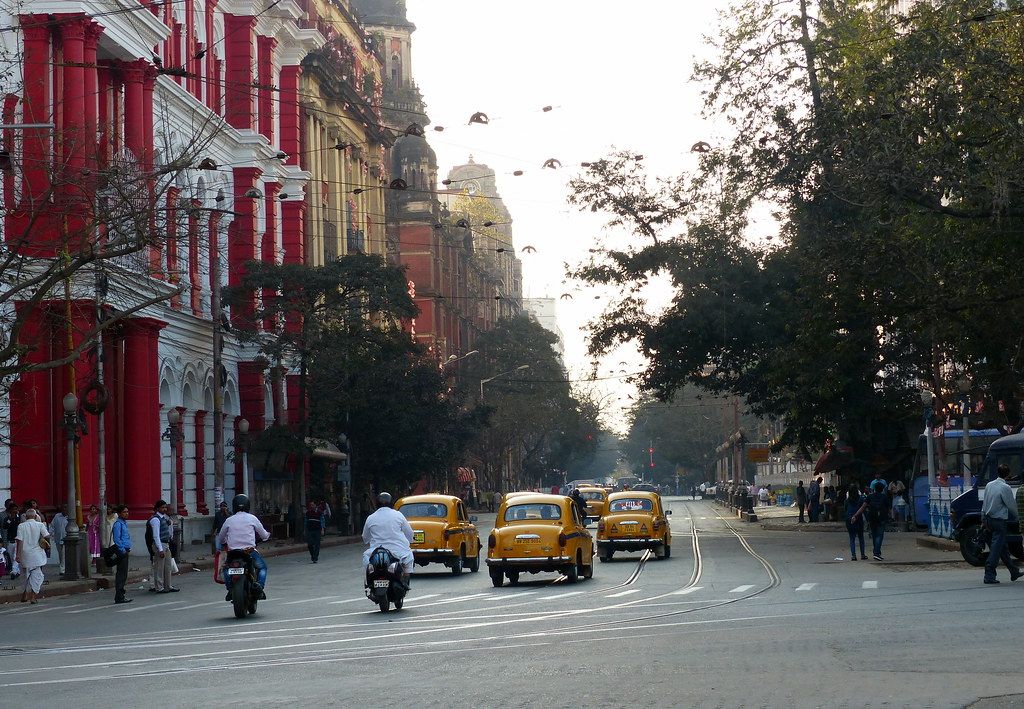
- Yellow Ambassador taxis, fewer every year as old cars are retired.
- Hand-pulled rickshaws, which Vietnam Streets mentions in Bowbazar.
- Tea stalls with clay cups and long conversations.
- Cricket in the lanes and on the Maidan.
- Colonial buildings with worn facades around Md. Ali Park, which Vohra recommends.
- Families living along the railway lines, which Kreslavsky found open to walk.
- Fruit pyramids at Mechhua market and the colored lights of Koley market.
A one-day photo walk
- 5:30 am, Mullick Ghat Flower Market. Arrive before sunrise.
- 6:30 am, the river bank and akhara. Walk a few minutes to the ghat for bathers and wrestlers.
- 8:00 am, under Howrah Bridge. Catch the light reaching under the steel.
- 9:00 am, walk to Kumartuli. Follow the riverside road north for about 40 minutes, past small ghats and markets, as Kreslavsky suggests.
- 12:00 pm, College Street. Take a taxi (about 15 minutes) and eat at the Indian Coffee House.
- 4:00 pm, Babu Ghat. Taxi about 20 minutes for the late light across the river.
- 6:30 pm, New Market. Walk or taxi 20 minutes for the evening crowds, best on weekends.
When to shoot
November to February; winter mornings bring fog on the river.
The light
Golden, hazy light at sunrise; harsh by midday.
What to bring
35mm; a fast lens for dark wholesale markets such as Koley.
Safety
Generally safe; crowds and traffic are the main hazards.
Tips for Kolkata
- November to February is the season. Winter mornings bring fog on the river.
- A 35mm covers most things. Chatterjee keeps a 24-70mm in the bag. See our lens guide.
- Bring a fast lens or raise the ISO for dark covered markets like Koley and the chicken bazaar. More in our settings guide.
- Durga Puja, usually in September or October, is the city at its best, but most places are overcrowded.
- Kalighat is packed on holidays for the goddess Kali, with old textures behind every subject.
- Start before sunrise and rest in the midday heat.
- Carry small cash for tea and for any paid shoots.
- Watch the traffic. Crowds and vehicles are the main hazards here.
Frequently asked questions
Is street photography legal in Kolkata?
Permissive and friendly. People often welcome photos; ask at religious sites and cremation ghats (do not photograph cremations).
Where are the best street photography spots in Kolkata?
Start with Mullick Ghat Flower Market, Under Howrah Bridge, Kumartuli, College Street. Before and after sunrise.
When is the best time for street photography in Kolkata?
November to February; winter mornings bring fog on the river.
What lens should I bring to Kolkata?
35mm; a fast lens for dark wholesale markets such as Koley.
Is Kolkata safe for street photographers?
Generally safe; crowds and traffic are the main hazards.
More street photography in India
Start with the India street photography guide, then pick a city.
More street photography cities
- DhakaBangladesh
- KathmanduNepal
- Chiang MaiThailand
- BangkokThailand