
Street Photography in Fukuoka
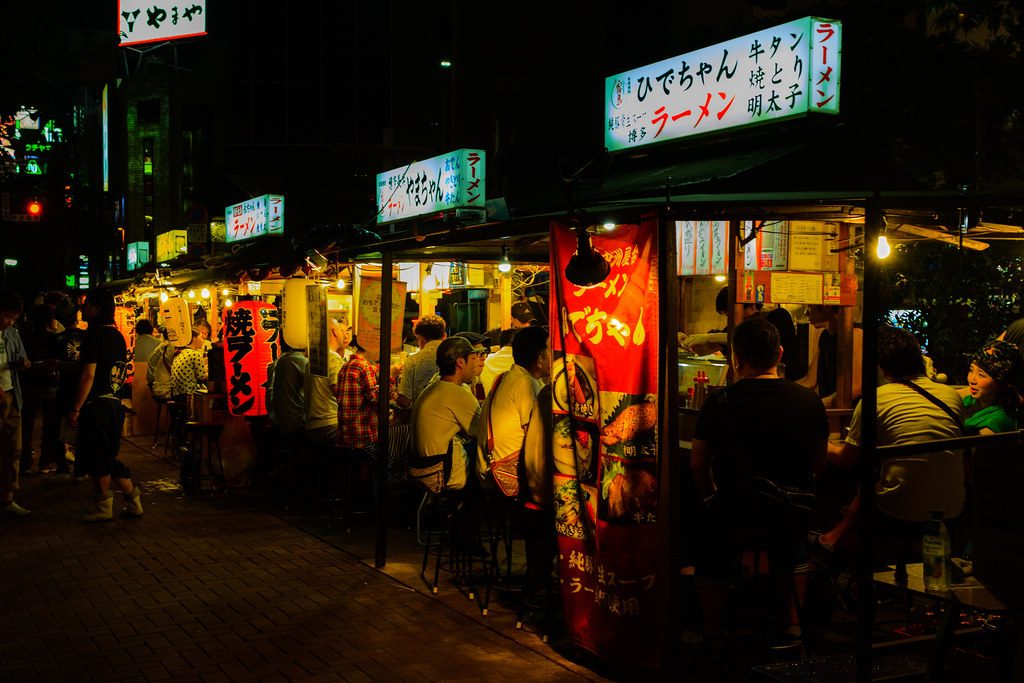
Fukuoka is a compact, walkable Japanese city where people eat at open air yatai stalls by the river every night, so the street life you usually find indoors in Japan happens in the open.
- Spots
- 8
- Best time
- March to May and October to November
- Lens
- 35mm
- Photographing people
- Strict: ask first
Fukuoka is good for street photography because it moves Japanese evening life outdoors: every night, yatai food stalls set up along the river and in Tenjin, and people eat ramen shoulder to shoulder under lamps in the open air. Most Japanese cities hide that scene behind doors. The center is compact, so you can walk from the shrines of Hakata to the river stalls in 15 minutes.
By day, the city is calmer than Tokyo or Osaka. Hakata's old town has stone paved temple streets between office blocks, and covered shopping arcades link the shrine to the river. Jason Teale, who came over from Busan many times on the ferry, worked the city on foot from Hakata Station outward. I'd do the same: temples and arcades in the morning, then the yatai after dark. Come in July if you can, when the Yamakasa festival fills Hakata with men in festival dress and one-ton floats.
Best street photography spots in Fukuoka
Nakasu Yatai
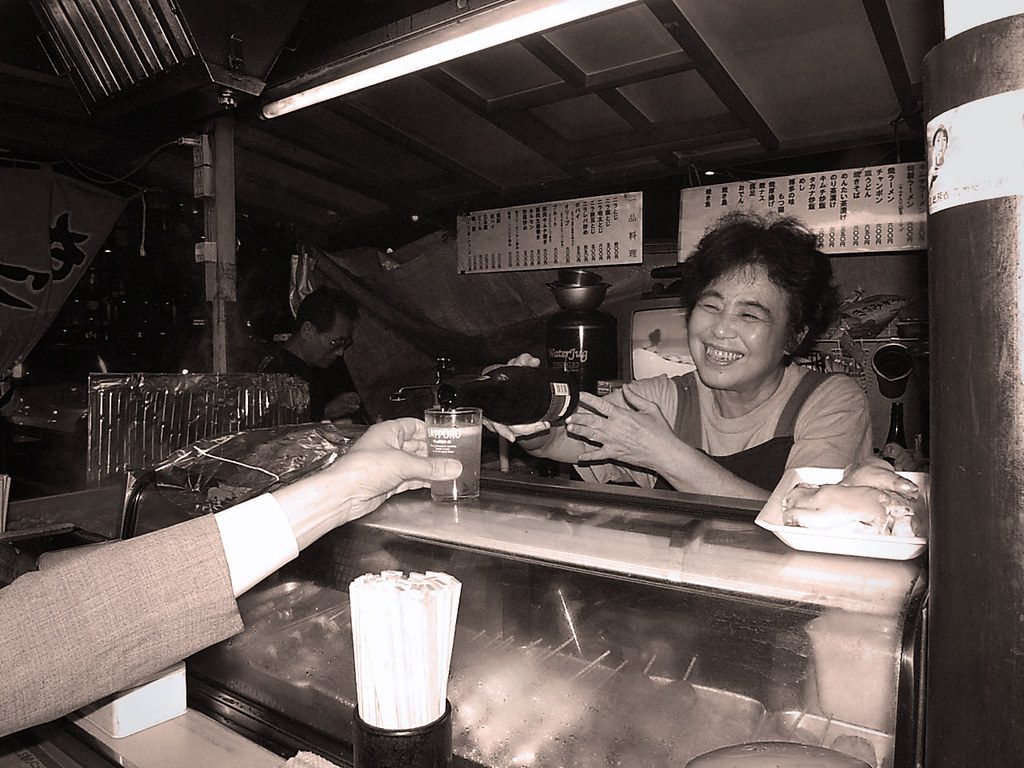
The Nakasu yatai line the bank of the Naka River near Haruyoshi Bridge, the area with the most stalls in the city, according to byFood. Most open from about 18:00 to midnight. Each stall is a tiny counter behind a curtain, with a handful of stools. Stand back on the riverside path and shoot the row of glowing stalls with the river and neon behind. For close work, eat first, then ask the owner if you can shoot. Customers are there to relax, and space is tight, so keep flash off and your movements small.
Kushida Shrine
Kushida Shrine is the guardian shrine of Hakata and the starting line of the Oiyama race on 15 July. A tall decorated float stands on display most of the year. Jason Teale stumbled onto a wedding here. Mornings are quiet, with locals stopping to pray on the way to work. Frame a worshipper at the offering box with the lanterns above. In July, teams in happi coats and loincloths practice runs from here, and Fukuoka Now publishes the schedule. Photography inside the shrine buildings may be restricted, so follow the signs.
Kawabata Shopping Arcade
Kawabata is one of the oldest shopping streets in Hakata, a covered arcade running from Kushida Shrine toward Nakasu. It has old family shops and a festival float on display. The light under the roof is even all day, which suits quiet portraits of shopkeepers. Stand at the end of the arcade and shoot along it with a longer lens, so the shop signs stack up behind one walker. It is quiet on weekday mornings. Ask before photographing inside a shop.
Jotenji Street
Jotenji Street is a stone paved lane in Hakata's old temple district, entered through the Hakata Sennen-no-Mon gate. Go Fukuoka says both udon and the Yamakasa festival are said to have started here. Nearby are old Hakata-bei walls made of clay mixed with fire burned tiles, and Tochoji temple with its pagoda. Come in the morning, when office workers cut through on foot and the temple grounds are empty. Use the gate or a wall as a frame and wait for someone to walk the stone path. Keep voices and shutters low around the temples.
Tenjin
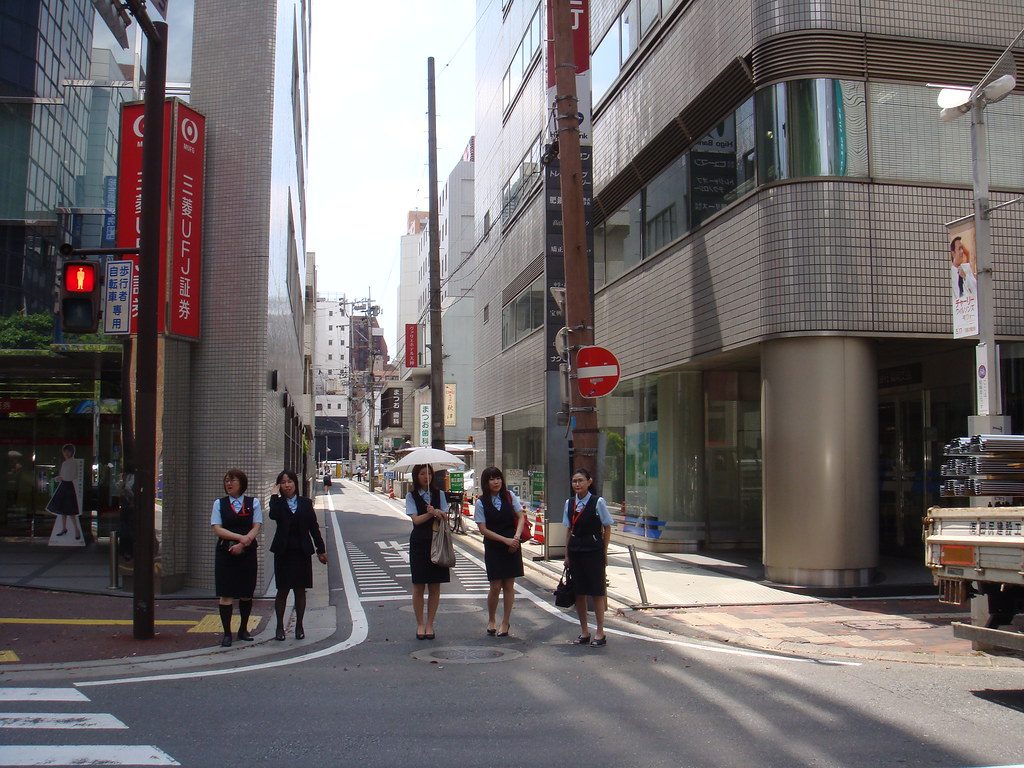
Tenjin is the main downtown district, with department stores and big crossings around Watanabe-dori. It is where to find crowds on foot, especially on weekend afternoons. At night, byFood notes more yatai here, including stalls with English menus, and a newer group along Watanabe-dori. Work the crossings at dusk, when shop lights come on, and shoot people waiting in a line at the curb. Tenjin's underground shopping street is a covered alternative on rainy days. Photography is often not allowed inside department stores.
Yanagibashi Market
Yanagibashi Rengo Market is a short covered lane of fishmongers and grocers south of Nakasu, used by locals and restaurant buyers. Come in the morning, when the fish is laid out on ice and the vendors are busy. The lane is narrow, so a 28mm or 35mm lets you work close. Frame hands cutting fish, or a customer bargaining under the hanging signs. Many stalls close by the afternoon. Buy something and keep out of the way of delivery carts.
Ohori Park
Ohori Park is a large lake park west of Tenjin, with a path that crosses the water over small islands. Jason Teale calls it a park of real natural beauty. Runners and families use the lakeside path all day. Late afternoon light is best, low across the water. Stand on one of the bridges and shoot walkers in silhouette against the lake, or use the park's Japanese garden for quieter frames. The castle ruins nearby give you a raised view over the area.
Hakata Station
Hakata Station is the main rail hub, with a wide plaza in front and shopping floors inside. Jason Teale started his walks from here. Morning and evening rush bring waves of commuters across the plaza. He also mentions a bakery inside with a queue you can smell before you see it. Stand at the top of the plaza steps and shoot down on the flow of people with a slow shutter. Station staff may stop tripods, so shoot handheld and keep out of the flow.
Photographing people in Fukuoka
Strict: local law or custom protects people's image. Ask first, or keep faces out of frame.
Photographing people in public is not a crime in Japan. What is protected is privacy and the right to your own likeness in civil law. Street photographer Lkaz sums it up: there is no criminal law on portrait rights, but someone can sue over a published photo if it caused them distress or damage. Commercial use of an identifiable person needs consent. This is general information, not legal advice.
Culturally, people in Fukuoka are relaxed and friendly, but privacy matters. Many shops and yatai do not want photos taken inside, and some post signs. Never shoot in a way that could look like voyeurism, especially on trains and escalators. Wider scenes and people seen from a distance cause the least friction. For close portraits, a smile and a gesture at the camera usually get a clear yes or no. More in how to photograph strangers.
General information, not legal advice. More in is street photography legal?
What to photograph in Fukuoka
- Yatai at night: steam rising past the curtain and elbows at the counter.
- Ramen cooks working over big pots of tonkotsu broth.
- Salarymen heading from office to yatai after work.
- Festival teams in July, in matching happi coats, running with floats.
- Shrine visitors ringing bells and clapping at Kushida.
- Covered arcades with old shop signs and cats in doorways.
- Temple walls in the old town, set against glass office towers.
- Reflections of Nakasu's neon in the Naka River on rainy nights.
- Umbrellas in rainy season, a sea of clear plastic at every crossing in Tenjin.
- Bicycles parked in rows and ridden on the sidewalks.
A one-day photo walk
- 8:00, Jotenji Street. A 5 minute walk from Hakata Station. Temples in quiet morning light.
- 9:30, Kushida Shrine. About 10 minutes on foot. Morning prayers and the float.
- 10:00, Kawabata Shopping Arcade. Next door. Shopkeepers opening up for the day, in even light under the roof.
- 11:00, Yanagibashi Market. About 15 minutes on foot, across Nakasu. Fish and lunch.
- 15:30, Ohori Park. Subway to Ohorikoen, about 10 minutes. Late light on the lake.
- 17:30, Tenjin. Subway back two stops. Crossings at dusk.
- 19:00, Nakasu Yatai. A 10 minute walk to the river. Eat a bowl of ramen first, then shoot the row from the riverside path.
When to shoot
March to May and October to November. The rainy season runs from about June to mid July, and typhoons can hit in late summer. Yatai open from about 18:00. The Hakata Gion Yamakasa festival runs 1 to 15 July, ending with the Oiyama race from Kushida Shrine at 4:59 on 15 July.
The light
Soft, often humid light. Covered arcades give even shade all day. At night the yatai glow under their own lamps and awnings, with neon from Nakasu reflected in the river.
What to bring
A 35mm prime for the arcades and a fast lens for the yatai at night. A small camera is less intrusive in tight spaces.
Safety
Very safe, including at night. The main risks are weather: heavy rain in the rainy season and typhoons in late summer. Watch for traffic on narrow streets without sidewalks.
Tips for Fukuoka
- Season: March to May and October to November. The rainy season is roughly June to mid July.
- Yamakasa: 1 to 15 July. The Oiyama race starts at Kushida Shrine at 4:59 on 15 July, with practice runs earlier in the month.
- Yatai hours: most run from about 18:00 to midnight. Some close in bad weather.
- Night settings: the yatai are lit well enough for ISO 1600 to 3200 at f/2. See street photography settings.
- Rain: don't stay in. Wet streets double the neon in Nakasu and Tenjin.
- Transport: the subway runs from the airport to Hakata and on to Tenjin in a few stops.
- From Korea: ferries run from Busan, which is how Jason Teale usually came.
Frequently asked questions
Is street photography legal in Fukuoka?
STRICT on publishing. Photographing people in public is not a crime in Japan, but portrait rights and privacy are protected in civil law, and publishing a recognizable person can lead to a claim for damages. Many shops and stalls do not want photos inside. Yatai are tiny, private spaces: ask the owner before shooting customers. General information, not legal advice.
Where are the best street photography spots in Fukuoka?
Start with Nakasu Yatai, Kushida Shrine, Kawabata Shopping Arcade, Jotenji Street. Row of open air food stalls along the Naka River near Haruyoshi Bridge. Most open from about 18:00 to midnight.
When is the best time for street photography in Fukuoka?
March to May and October to November. The rainy season runs from about June to mid July, and typhoons can hit in late summer. Yatai open from about 18:00. The Hakata Gion Yamakasa festival runs 1 to 15 July, ending with the Oiyama race from Kushida Shrine at 4:59 on 15 July.
What lens should I bring to Fukuoka?
A 35mm prime for the arcades and a fast lens for the yatai at night. A small camera is less intrusive in tight spaces.
Is Fukuoka safe for street photographers?
Very safe, including at night. The main risks are weather: heavy rain in the rainy season and typhoons in late summer. Watch for traffic on narrow streets without sidewalks.
More street photography in Japan
Start with the Japan street photography guide, then pick a city.