
Street Photography in Rome
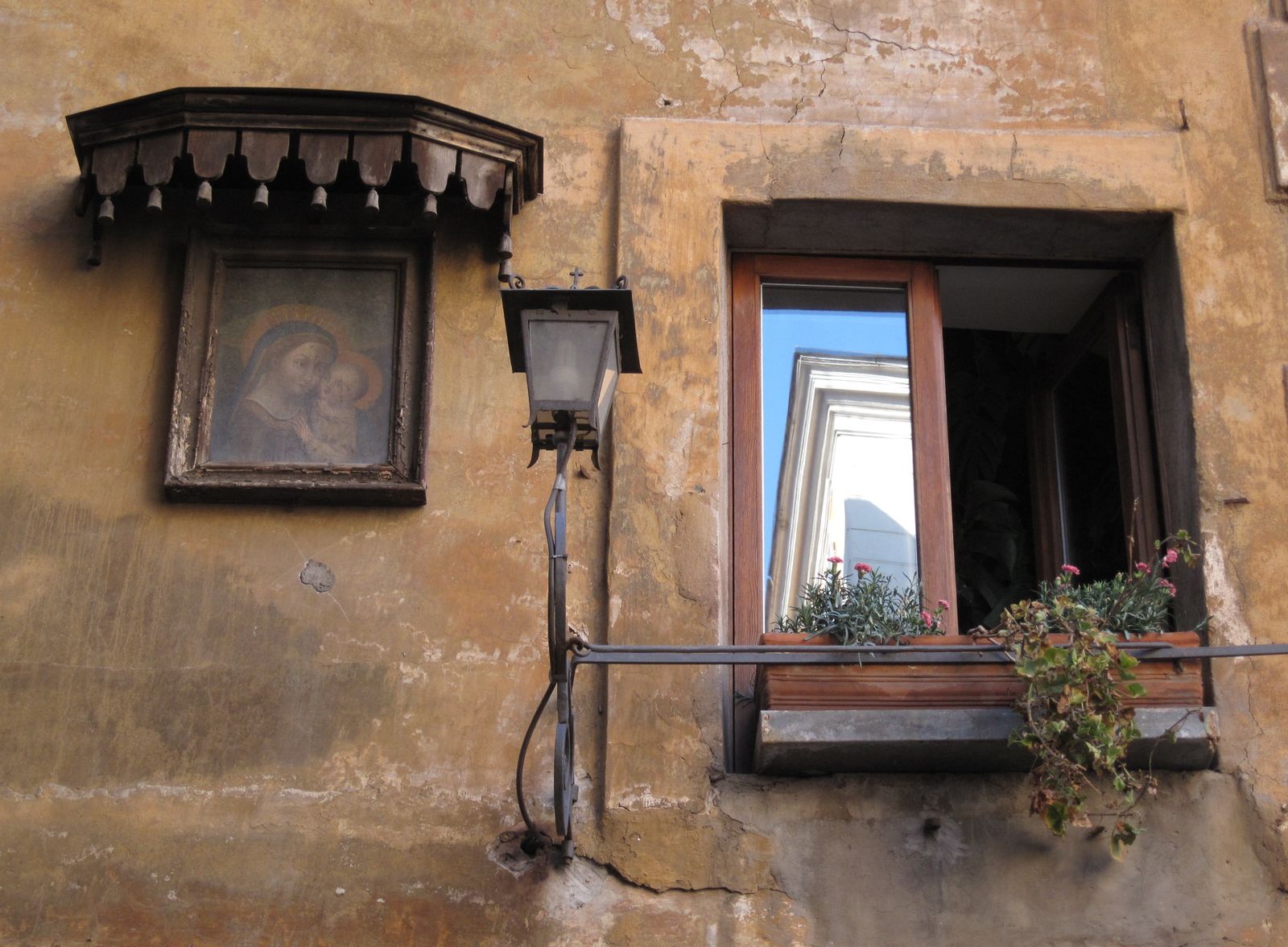
An open-air museum with Italian style and theater in every piazza; warm light on old stone.
- Spots
- 8
- Best time
- Spring and autumn
- Lens
- 35mm or 28mm
- Photographing people
- Generally allowed
Rome is very good for street photography because every scene comes with 2,000 years of backdrop and a population that dresses and gestures with real style. Tourists pose in front of ancient ruins while Romans drink espresso at the counter, and the same warm light falls on both.
F.D. Walker, who shot here with local photographer Marcello Perino, calls the whole city an open-air museum. The challenge is to use the monuments without making tourist postcards. I recommend treating ruins and fountains as a stage and waiting for a person to give them a reason to be in the frame.
The light is the other gift. Ochre and orange walls warm up in the early morning and late afternoon, and narrow lanes cut the sun into beams. Midday is harsh, so plan the markets for morning and the piazzas for the end of the day. Rome is also best on foot. The metro is small, and most of the good spots sit within a 30 minute walk of each other.
Best street photography spots in Rome
Campo de' Fiori market
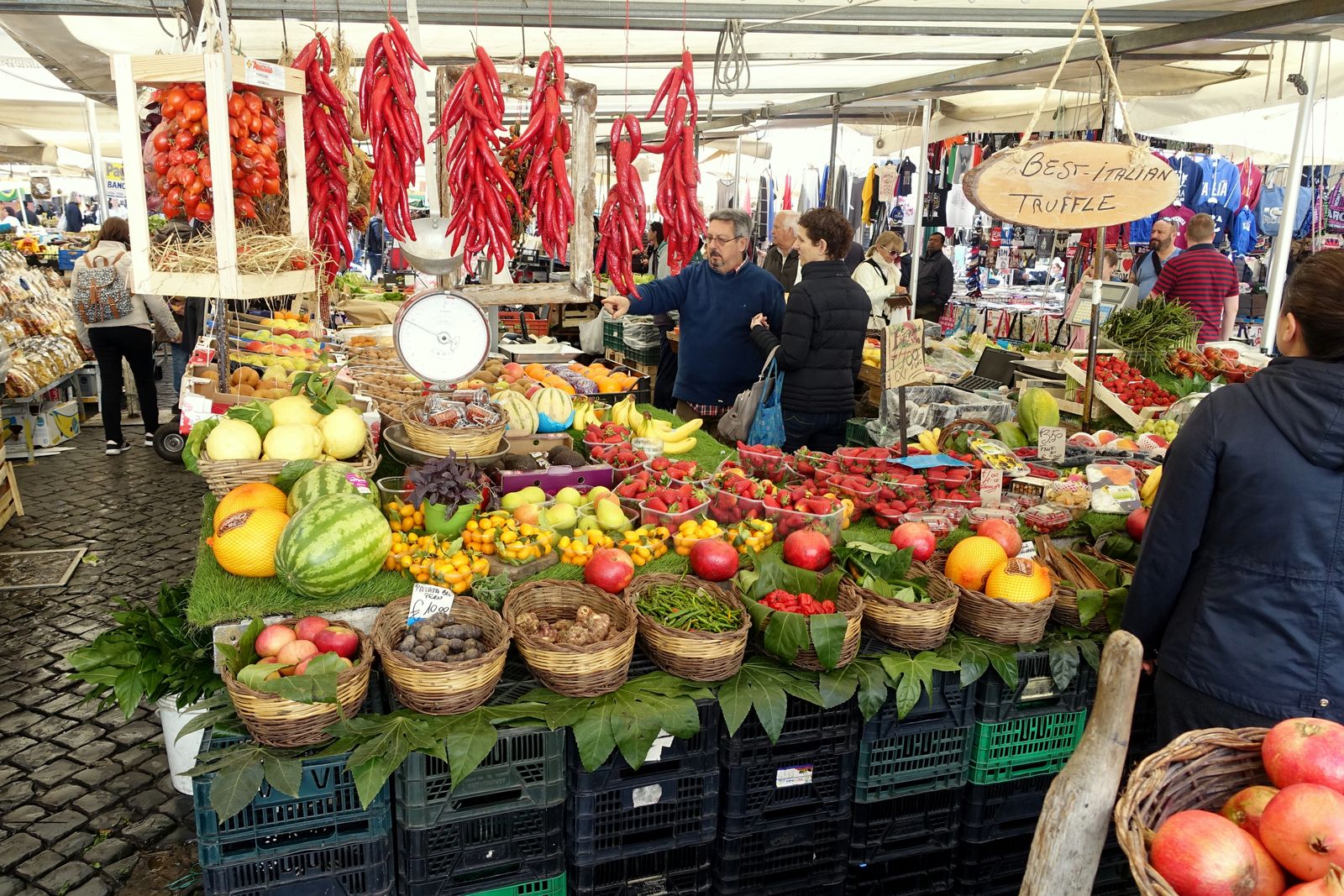
Campo de' Fiori has two personalities. In the morning it is the best known open-air market in the center, with vendors and shoppers around piles of produce. At night the stalls vanish and the square fills with a young crowd from the surrounding bars. Walker suggests coming back after dark if you like flash. In the morning, work the edges of the stalls, where vendors talk with customers and hands move fast. Get low and shoot across the fruit toward faces. Caution: the market does not run on Sundays, and vendors may ask you to buy something if you linger at one stall.
Piazza Navona
Piazza Navona sits on the footprint of an ancient stadium, so it is a long open oval with three fountains and a steady crowd of street artists and performers. The open shape gives you space and good light. Romewise points out that around 9 am the sun hits the ochre buildings and the square glows. Use a fountain as a foreground layer and wait for a figure to walk into the gap. Painters at their easels make natural frames. Caution: it gets very crowded in the afternoon, and some performers expect a tip if you photograph them closely.
Piazza Venezia
Piazza Venezia is where four major roads meet, so the square itself is mostly traffic. Walker says the reason to come is what surrounds it: the huge white Altare della Patria and the start of Via dei Fori Imperiali, both of which draw crowds all day. It makes a good starting point for a walk. Look for people on the monument steps against the white marble. That background turns bright sun into a clean, high-key frame. Traffic police directing cars are a classic Roman subject. Caution: crossing here is dangerous, so use the marked crossings and do not step into the road for a shot.
Trastevere
Trastevere, across the river from the center, is a knot of narrow lanes, ivy-covered walls and small squares. The best time is late afternoon into evening, when the light turns warm and the restaurants set tables into the street. Piazza di Santa Maria in Trastevere, with its fountain steps, is where people sit and wait for friends. Stand at a lane corner and let people walk out of shade into a patch of low sun. After dark, shoot diners lit by restaurant lights. Caution: the area is packed on weekend nights, and waiters do not appreciate you blocking their tables.
Via dei Fori Imperiali & Colosseum
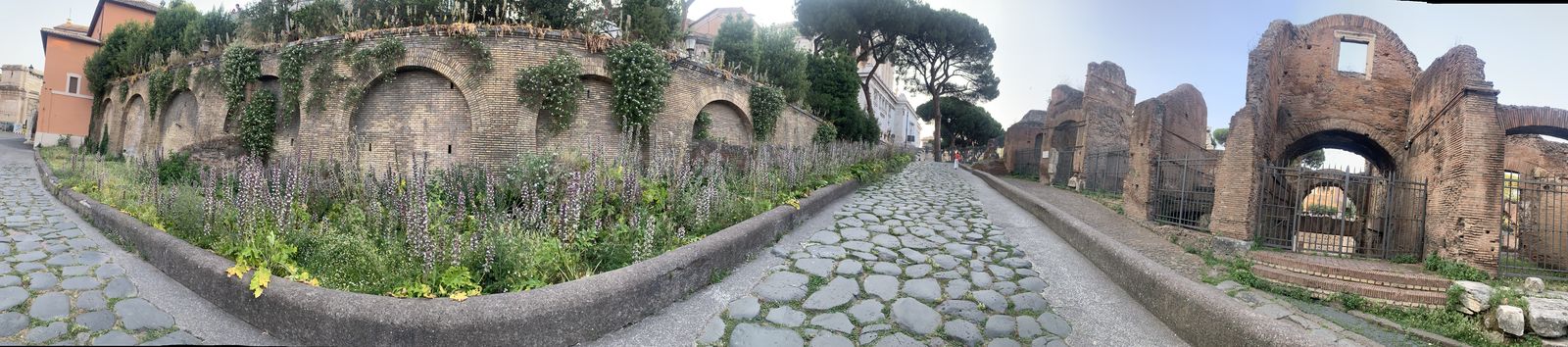
Via dei Fori Imperiali runs from Piazza Venezia to the Colosseum straight through the ancient forums. Walker calls it a half-mile open-air museum. Walkways on both sides give you tourists against ruins. At the Colosseum end you get tour groups and fake gladiators. Photogenic Mind likes the contrast between modern clothes and ancient temples. Shoot tight on one person with a column behind them, or go wide and tiny to show scale. Go early morning for light and space. Caution: the costumed gladiators charge for posed photos, and tripods and selfie sticks are banned inside most sites.
Tiber Island
Tiber Island is a small island in the river, linked by short bridges to the center and Trastevere. It is a quiet break from traffic most of the year. In summer it hosts an outdoor film festival and the riverbanks fill with bars and stalls, which brings evening crowds. Shoot from the bridges down to people walking the embankments. Late in the day the sun lights the river and the water reflects warm light. Use the old bridge arches as frames. Caution: the embankment paths are uneven and poorly lit in places at night.
Monti
Monti is the neighborhood just north of the Colosseum, with vintage shops and a young local crowd. It feels more like daily Roman life than the monument zone. The fountain in Piazza della Madonna dei Monti is where people sit and talk, especially in the evening. Via del Boschetto and Via Panisperna have good cafe windows and shopfronts. Look for style: well-dressed Romans on scooters and locals at the espresso bar. Late afternoon is best. Caution: streets here are narrow and scooters come through fast, so keep to the side.
Porta Portese flea market
Porta Portese is the largest flea market in Rome. Walker says it runs every Sunday from dawn until about 2 pm, mostly along narrow outdoor walkways. You get sellers bargaining over piles of goods and crowds shoulder to shoulder. Go early, around 7 to 9 am, before it gets packed and the light turns flat. Shoot sellers framed by their stock, or hands exchanging coins. A 28mm helps in the tight aisles. Caution: this is one of the worst places in Rome for pickpockets, so keep your bag in front and your camera strapped on.
Photographing people in Rome
Taking photos of people in public places is legal in Italy. Lawyer and photographer Andrea Monti explains that people in public space have no reasonable expectation of privacy, and that candid photos for non-profit artistic or cultural purposes are permitted. Publishing is where the risk sits. Italian copyright law protects a person's likeness, so commercial use without consent is unlawful. Monti also notes a 2014 case in which Rome municipal police seized a street photographer's camera and a court overturned the seizure. Read our page on street photography law. This is general information, not legal advice.
Walker rates reactions 7 out of 10: rarely serious, but enough people refuse that Rome is less relaxed than Asia. Stay friendly, and delete if someone insists.
General information, not legal advice. More in is street photography legal?
What to photograph in Rome
- Tourists posing in front of ancient ruins, often in funny ways.
- Italian style. Walker notes men and women, young and old, dress to impress.
- Espresso drinkers standing at bar counters, which Walker notes is cheaper than sitting down.
- Coin throwers at the Trevi Fountain. Photogenic Mind suggests early morning or late night to avoid the worst crowds.
- Diners at tables that spill into the lanes of Trastevere.
- Street performers and painters in the piazzas.
- Vendors and shoppers at morning markets.
- Nuns and priests around the Vatican and the churches.
- Scooters and traffic police in the chaos of Piazza Venezia.
- Beams of low sun cutting through narrow lanes onto walkers.
- Evening crowds sitting on fountain steps.
A one-day photo walk
- 7:30 am, Campo de' Fiori. Shoot the market as it sets up (Monday to Saturday).
- 9:00 am, Piazza Navona. Walk five minutes north for the morning light on the ochre walls.
- 10:30 am, Piazza Venezia. Walk about 15 minutes east through the side streets and stop for an espresso on the way.
- 11:00 am, Via dei Fori Imperiali and the Colosseum. Walk slowly along both sides, as Walker suggests, and end at the Colosseum.
- 1:00 pm, Monti. Walk 10 minutes north for lunch and cafe scenes.
- 5:00 pm, Tiber Island and Trastevere. Walk about 30 minutes to the island, then cross into Trastevere for golden hour and dinner.
When to shoot
Spring and autumn; avoid August heat. Early morning to beat crowds, golden hour on the stone.
The light
Warm, golden light on ochre walls; strong midday sun.
What to bring
35mm or 28mm; good shoes.
Safety
Very safe in the center (Shooter Files 8/10); pickpockets on buses and at Termini.
Tips for Rome
- Come in spring or autumn. August is very hot, and many Romans leave town around mid-August.
- Shoot early morning and late afternoon. Midday light is hard and flat. See our settings guide for bright sun.
- A 35mm or 28mm lens fits the narrow lanes. More in our lens guide.
- Wear shoes with thick soles. Cobblestones wear you down.
- Tripods and selfie sticks are banned at most sites and museums, per Romewise. Photography is not allowed in the Sistine Chapel.
- April 21 is the birthday of Rome, with costumed parades near the Circus Maximus.
- Keep your bag zipped on crowded buses and around Termini station.
Frequently asked questions
Is street photography legal in Rome?
Moderate. Photographing in public is legal; Italian law protects the right to one's image when publishing, especially for commercial use.
Where are the best street photography spots in Rome?
Start with Campo de' Fiori market, Piazza Navona, Piazza Venezia, Trastevere. Morning market, nightlife after dark.
When is the best time for street photography in Rome?
Spring and autumn; avoid August heat. Early morning to beat crowds, golden hour on the stone.
What lens should I bring to Rome?
35mm or 28mm; good shoes.
Is Rome safe for street photographers?
Very safe in the center (Shooter Files 8/10); pickpockets on buses and at Termini.
More street photography in Italy
Start with the Italy street photography guide, then pick a city.