
Street Photography in Venice
Once you leave San Marco and Rialto, Venice gives you narrow calli, canals full of working boats and dawn fog, and the residential sestieri of Cannaregio, Castello and Dorsoduro still have real daily life.
- Spots
- 8
- Best time
- November to February for fog, acqua alta and fewer visitors
- Lens
- 35mm
- Photographing people
- Strict: ask first
Venice is good for street photography as long as you leave the famous parts. San Marco and Rialto are packed by mid morning, but Brian Lloyd Duckett of StreetSnappers calls the rest of the city a street photography wonderland once you get off the tourist routes. He ranks Cannaregio first, then Castello, Dorsoduro and San Polo. These are the districts where people still live, shop and hang laundry over the canals.
The city has no cars, so everything happens on foot or on the water. Light bounces off the canals into narrow alleys, and in winter fog can empty the frame down to one figure and a bridge. Raffaele Ferrari puts the best window between about 5:30 and 7:30, before the day visitors arrive. I'd plan every day around that hour and treat the middle of the day as time to explore quiet back streets. Venice is also compact and safe, so getting lost costs you very little.
Best street photography spots in Venice
Piazza San Marco
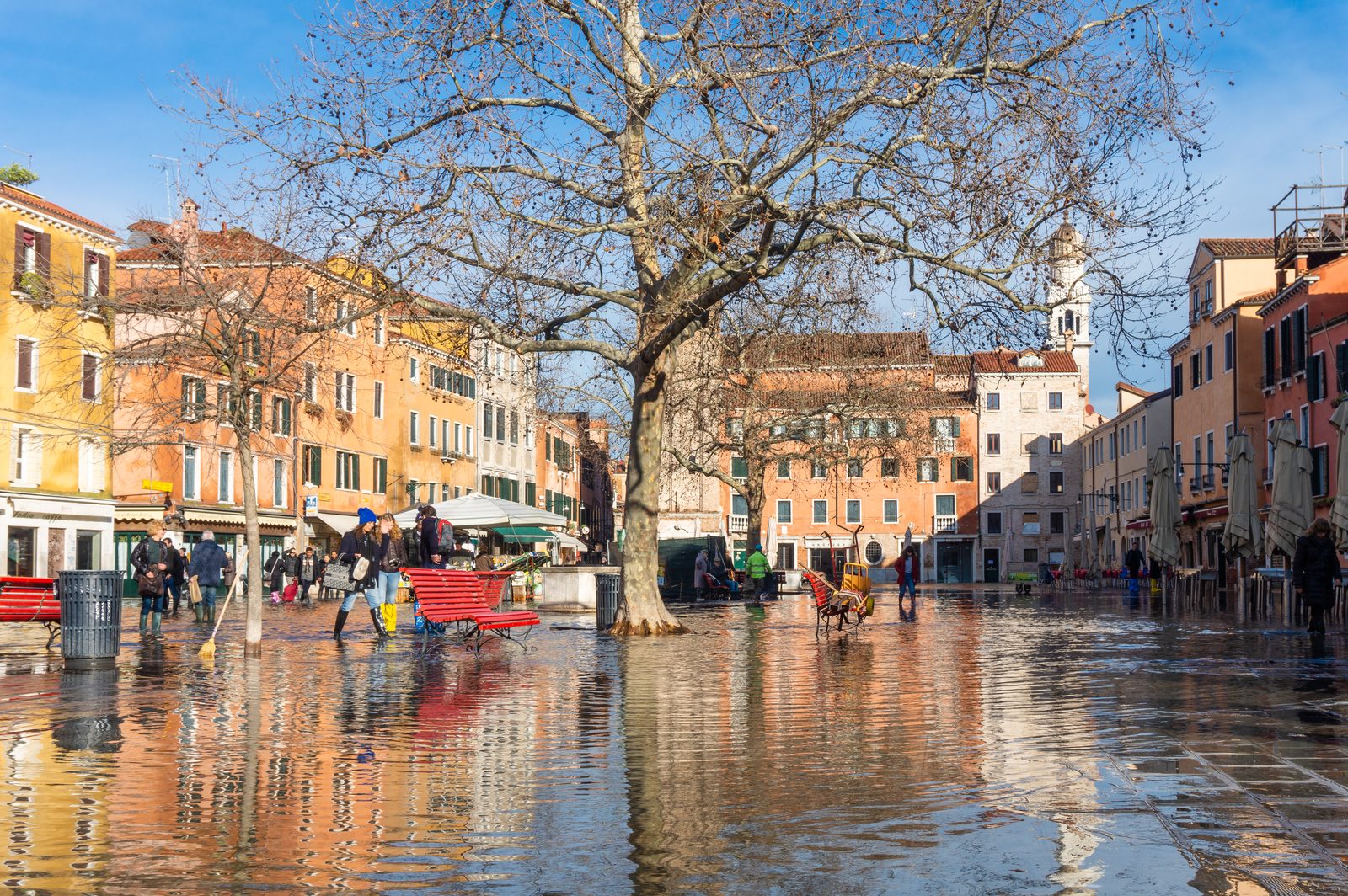
By 10:00 the square is a crowd of tour groups and pigeons. Before sunrise it is close to empty: cleaners, early workers and cool blue light across the Procuratie. Raffaele Ferrari suggests arriving about 45 minutes before sunrise. From October to February, acqua alta can flood the paving and turn it into a mirror for the Basilica. Stand low at the edge of the water and wait for one person to cross the reflection. Raised walkways appear on flood days, so keep clear of them and let people pass.
Rialto Market
The market sits on the San Polo side of the Rialto Bridge. The fish hall, the Pescheria, runs on weekday mornings and is closed on Sundays and Mondays in most listings, so check before you go. Get there around 7:30 for fishmongers setting out the catch, restaurant buyers and boats unloading on the canal. Stalls thin out after 11:00. Hands, ice and scales under the arches make strong frames. Shoot from the side of a stall rather than across the counter, and buy something if you want to linger. The floor is wet, so watch your step.
Ghetto & Campo del Ghetto Novo
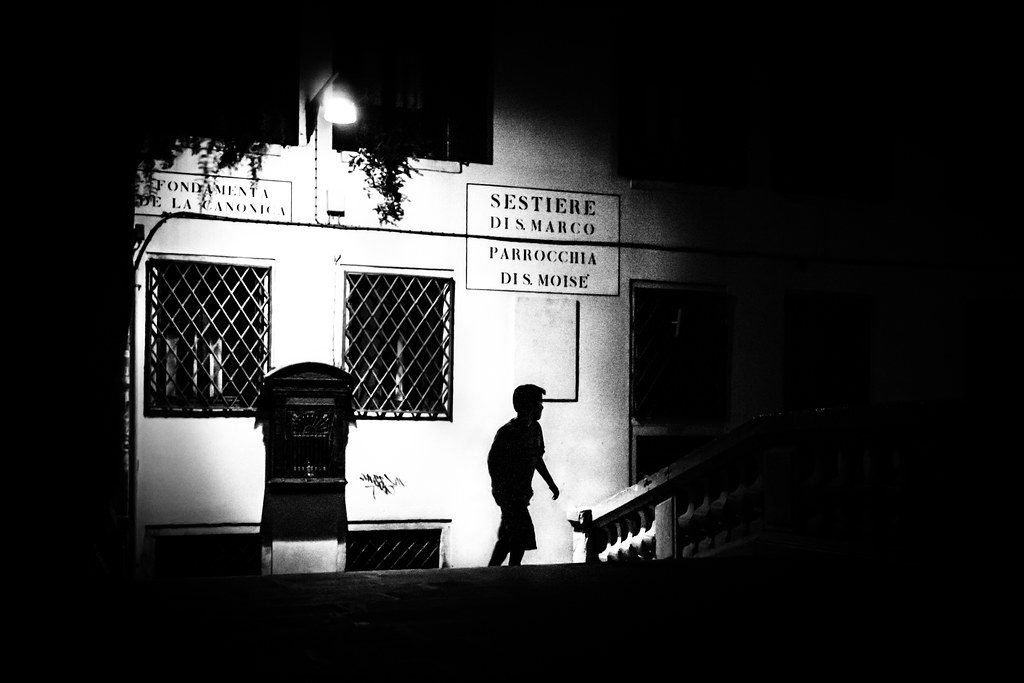
The Venetian Ghetto in Cannaregio is one of the oldest in Europe. Because the community could not expand outward, the buildings grew upward, and Raffaele Ferrari notes the tall walls create unusual light in the early morning. The square is quiet, with benches, children and residents crossing between the bridges. Use the height of the facades: shoot upward from a corner, or frame a walker small at the bottom of the frame. This is a living neighborhood and a place of memory, with synagogues and a Holocaust memorial. Keep it respectful and quiet.
Fondamenta della Misericordia
This is a canal side walk in Cannaregio with bars and small restaurants on one side and boats on the other. It is sleepy in the morning and busy with Venetians and students at aperitivo time, from about 18:00. Look for people standing with drinks on the edge of the water, backlit by the evening sky. A good trick is to shoot along the canal from a bridge, so the line of people and moored boats leads into the frame. Keep your camera strap tight near the water.
Via Garibaldi, Castello
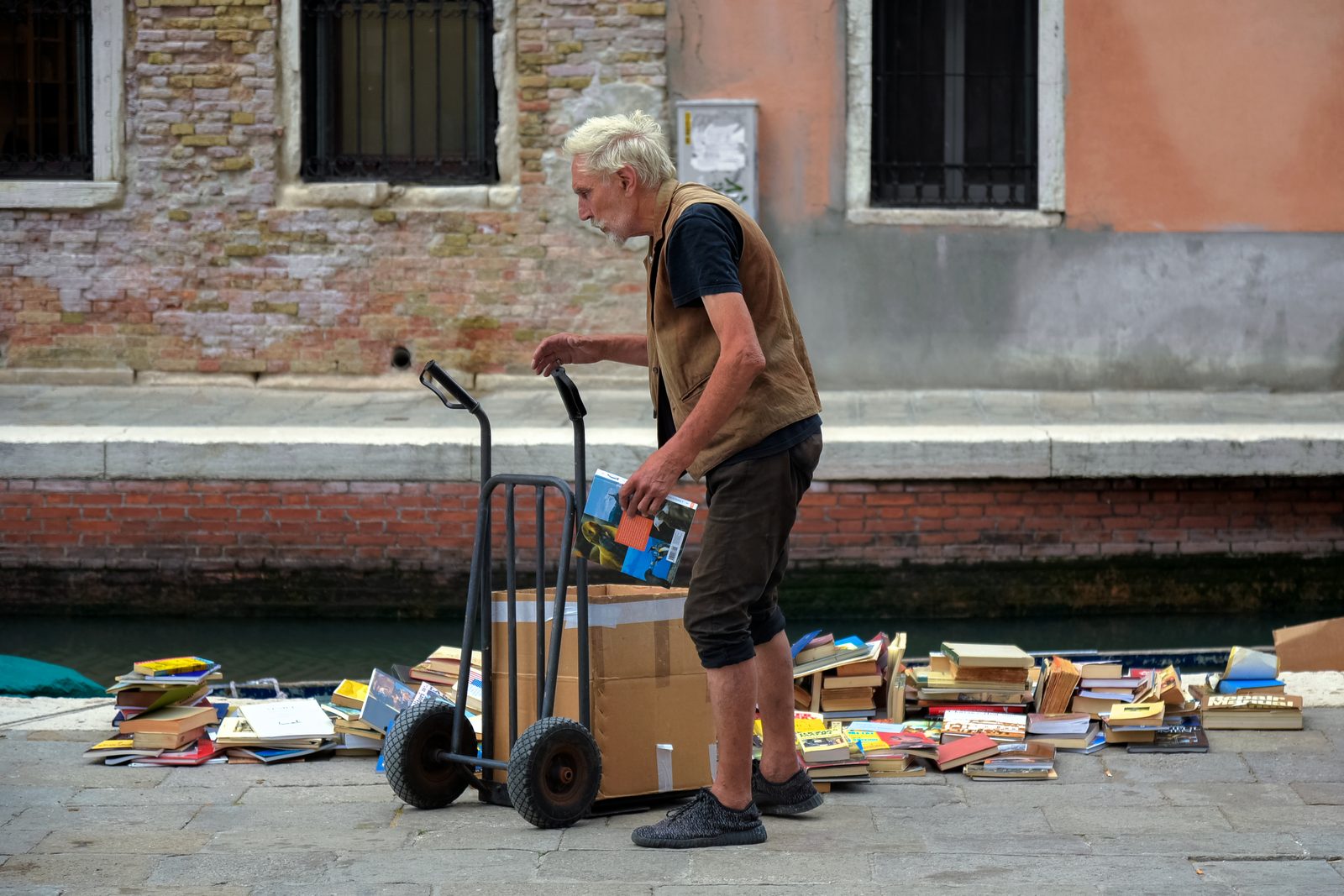
Via Garibaldi is a wide street in eastern Castello, far from the crowds, and one of the most residential corners of the city. Mornings bring market stalls, older residents talking and laundry lines strung between the side streets. The side calli toward the Arsenale are where Castello feels most local. I'd come mid morning, work the stalls slowly, then wander north. People here are used to visitors but not to lenses in their face, so shoot wider and from a little further back.
Campo Santa Margherita
This long square in Dorsoduro is the student center of Venice. Raffaele Ferrari points to its daily life: families, local bars and market stalls. By day you get shoppers and kids on bikes, which is rare in Venice. After dark the steps and bars fill with students. Late afternoon light rakes across the square from the west. Try framing a group at a bar table with the campo behind them. At night, raise your ISO and use bar light on faces. It gets noisy, so keep a relaxed manner.
Zattere
The Zattere is a long stone waterfront on the south side of Dorsoduro, facing the island of Giudecca across a wide canal. It is the most open view in the city, all water and sky. At sunset, walkers, runners and people on café terraces turn into silhouettes against the water. Large boats and vaporetti pass close. Stand low near the edge and wait for a person and a boat to line up. Dalton Johnson found wide compositions here hard to make work, so think in close silhouettes rather than big scenes.
Burano
Burano is a fishing island in the lagoon, about 45 minutes by vaporetto from Fondamente Nove, with houses painted in strong colors. Raffaele Ferrari says color is the subject here: use a figure in a plain coat against a red or blue wall. Day trippers arrive from around 9:00, so take an early boat. Morning light is soft and the lanes are quiet. Walk away from the main street to the canals where residents dry laundry and mend boats. These are homes, so do not shoot through windows or doors.
Photographing people in Venice
Strict: local law or custom protects people's image. Ask first, or keep faces out of frame.
Taking photos of people in public places is legal in Italy. The rules that matter are about publishing. Article 10 of the Civil Code and Articles 96 and 97 of the Copyright Law protect a person's image. As lawyer Andrea Monti explains, candid photos in public are generally allowed, but publishing a recognizable person as the main subject can need consent, while people who are part of a wider public scene usually do not. Photographing into private homes can be a crime. This is general information, not legal advice. See is street photography legal for more.
In practice, Venice is one of the easiest places to start. Duckett notes that everyone carries a camera and people rarely react. Residents in Castello and Cannaregio are more reserved, and many are tired of tourists. Be quick, smile and move on. For close portraits, ask first.
General information, not legal advice. More in is street photography legal?
What to photograph in Venice
- Fog and silhouettes. From November to February, fog turns bridges and campi into simple shapes.
- Working boats. Delivery boats, rubbish barges and ambulance boats do the jobs cars do elsewhere.
- Laundry lines between houses in Castello, Cannaregio and Burano.
- Light at the end of alleys. A dark calle opening onto a bright canal is a ready made frame.
- Reflections in canals and on flooded paving during acqua alta.
- Bacari. Small wine bars where locals stand with a glass and cicchetti.
- Carnival costumes in February, best photographed in quiet streets away from San Marco.
A one-day photo walk
- 6:00, Piazza San Marco. Arrive before sunrise for the empty square. About 45 minutes.
- 7:30, Rialto Market. A 10 minute walk. Fishmongers and boats unloading, on a market day (check the current days).
- 9:30, Cannaregio. About 20 minutes on foot to the Ghetto. Work the square, then the canals around it.
- 12:00, Dorsoduro. Cross by vaporetto or walk 25 minutes via the Accademia Bridge. Lunch near Campo Santa Margherita, then shoot shade and side streets.
- Late afternoon, Zattere. Five minutes south of the campo. Stay until sunset for silhouettes.
- After dark, Fondamenta della Misericordia. About 30 minutes on foot, or take the vaporetto. Aperitivo crowds along the canal.
When to shoot
November to February for fog, acqua alta and fewer visitors. September and October are a good second choice. In summer shoot only at dawn and late evening.
The light
Soft and humid, with light bouncing off the water into dark calli. Fog in winter; harsh from mid morning in summer.
What to bring
One small camera and a 35mm lens. A monopod for night work, since tripods are awkward on busy bridges. A cloth for fog on the lens.
Safety
Very safe, day and night. Watch for pickpockets on crowded vaporetti and around Rialto, and for slippery steps on bridges when wet.
Tips for Venice
- Season: November to February for fog and quiet streets. Summer light turns harsh from mid morning.
- Lens: Duckett carries one camera and a 35mm lens. Ferrari adds a short telephoto for faces across canals. See best lens for street photography.
- Exposure: with the sun behind you, try one to two stops of underexposure to keep highlights and deepen color. More in street photography settings.
- Night: use a monopod rather than a tripod on narrow bridges.
- Access fee: day visitors paid a fee on selected days in 2026, mostly spring and summer weekends from 8:30 to 16:00. Overnight guests are exempt but must register. Check the current dates before you go.
- Events: Carnival in February, the Redentore festival in July with fireworks over the lagoon, and the Regata Storica boat parade in early September.
- Leave the main island: Duckett suggests Chioggia, a working fishing town on the mainland side of the lagoon.
Frequently asked questions
Is street photography legal in Venice?
STRICT on publishing. Taking photos in public is legal in Italy, but Article 10 of the Civil Code and Articles 96 and 97 of the Copyright Law restrict publishing a recognizable person's image without consent, with exceptions for people who are part of a wider public scene. Never shoot into homes.
Where are the best street photography spots in Venice?
Start with Piazza San Marco, Rialto Market, Ghetto & Campo del Ghetto Novo, Fondamenta della Misericordia. Empty and blue before sunrise; acqua alta reflections from autumn to winter. Avoid midday.
When is the best time for street photography in Venice?
November to February for fog, acqua alta and fewer visitors. September and October are a good second choice. In summer shoot only at dawn and late evening.
What lens should I bring to Venice?
One small camera and a 35mm lens. A monopod for night work, since tripods are awkward on busy bridges. A cloth for fog on the lens.
Is Venice safe for street photographers?
Very safe, day and night. Watch for pickpockets on crowded vaporetti and around Rialto, and for slippery steps on bridges when wet.
More street photography in Italy
Start with the Italy street photography guide, then pick a city.