
Street Photography in Yogyakarta
Yogyakarta is Java's royal and student city, with becak drivers and batik markets on its streets, and Borobudur and Prambanan within reach for a photography tour.
- Spots
- 8
- Best time
- April to October is the dry season
- Lens
- 28mm or 35mm
- Photographing people
- Generally allowed
Yogyakarta is good for street photography because it is Java's cultural capital, a royal city where becak drivers wait outside a working palace and students crowd the streets at night. Most photography tours come for Borobudur and Prambanan, but the city itself is where the street life is. ooa revo, who photographed the city's becaks and students, describes mornings of market women hacking coconuts with machetes and evenings of buskers and street painters on Malioboro.
The center is compact around the Kraton, the Sultan's palace, and Malioboro Street runs north from it. Most spots are best early: Asian Itinerary notes that mornings consistently outperform evenings for light, because most locations face east or south. I'd spend mornings at the market and around the palace, then come back out after dark, when Malioboro and the south square fill with people.
Best street photography spots in Yogyakarta
Malioboro Street
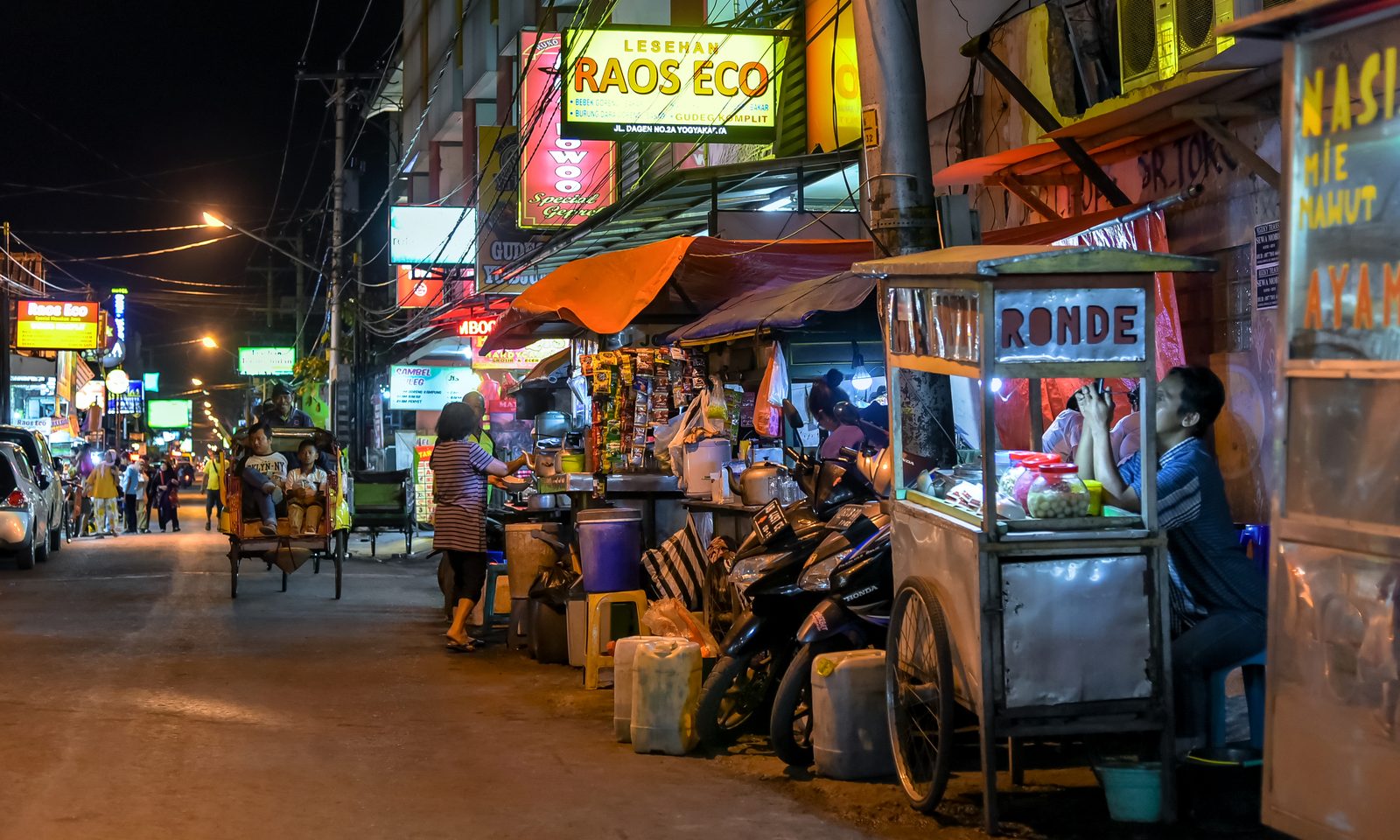
Malioboro is the city's main shopping street, running north from the palace toward the station. By day it is shops and becak drivers waiting for fares. At night the pavements fill with street food stalls and buskers, and ooa revo found street artists painting canvases right on the sidewalk. Asian Itinerary suggests leaving the main strip for the alleys, with batik workshops and rows of becaks by old Dutch era buildings. Come at dusk. Frame a becak driver resting in his seat with the lit street behind. Watch your bag in the crowds.
Beringharjo Market
Beringharjo is the historic market just off Malioboro, near the palace. Batik fills the ground floor, and upstairs herbalists sell jamu, traditional medicine, often a craft passed down for generations. Indonesia Travel recommends the morning for photography, when locals do their everyday shopping and the eastern building is busiest. Light comes in from the doors and gaps, so find a vendor near an entrance. Frame hands measuring herbs or folding cloth. It is busy and safe, but keep bags closed in the dense aisles.
Kraton Yogyakarta
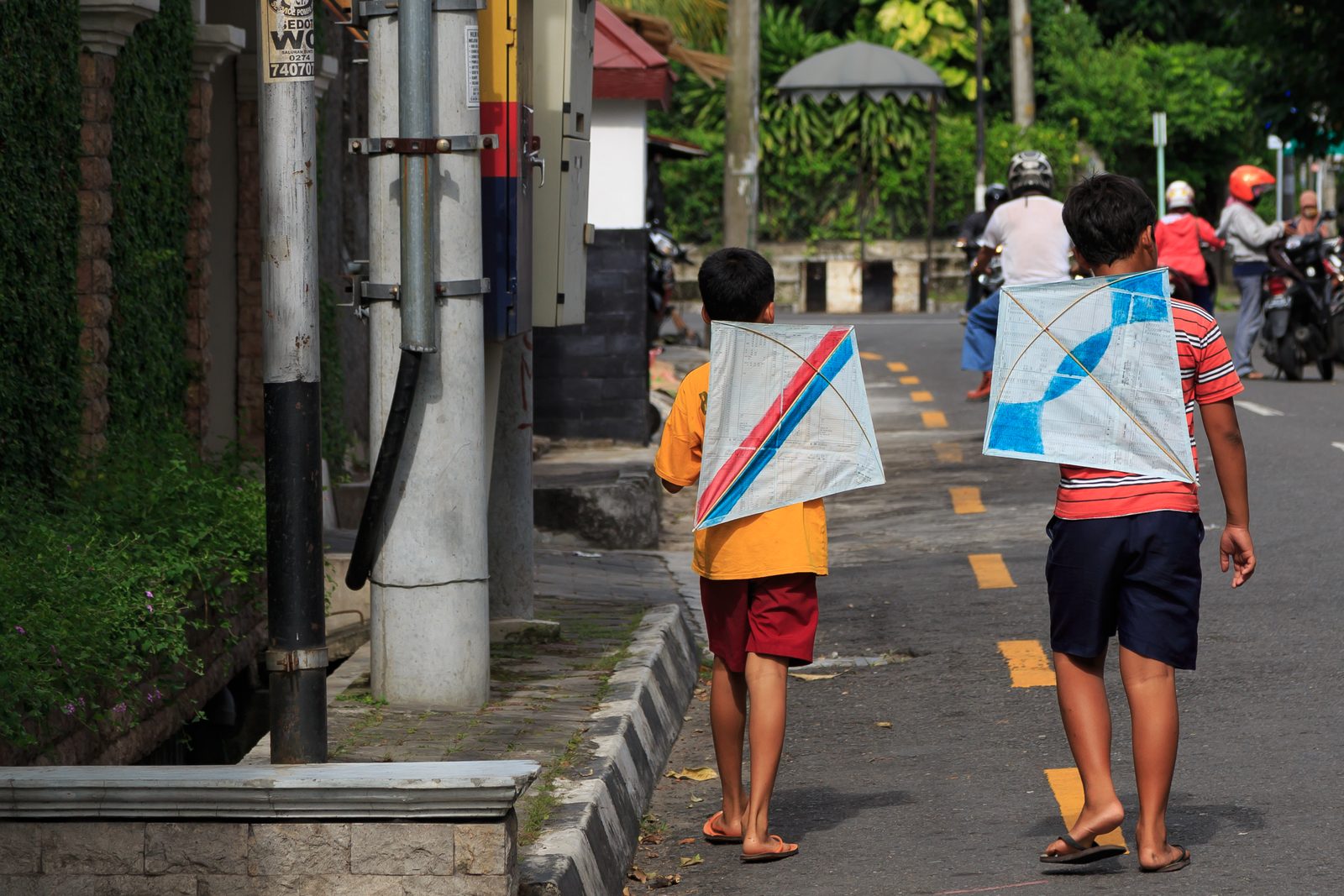
The Kraton is the palace of the Sultan of Yogyakarta, still a working court. Inside, palace retainers in traditional Javanese dress and batik go about their duties, and cultural performances are held on some mornings. Opening hours are limited, usually mornings only, so check locally. Outside the walls, the Kraton district is a neighborhood of lanes and small mosques where daily life goes on. Walk the lanes after your visit. Dress modestly and follow the staff's rules on photography inside.
Taman Sari
Taman Sari is the old royal water garden, a complex of bathing pools linked by tunnels. Asian Itinerary recommends 8:00 to 9:00, when crowds are thin and light filters through the stone openings in natural spotlights. The underground mosque, Sumur Gumuling, has a round well of stairs that is famous with photographers. Around it lies a residential kampung with murals and narrow lanes. Wait at the foot of the stairs for someone to walk into the light from above. People live in the kampung, so keep your voice down.
Alun-Alun Kidul
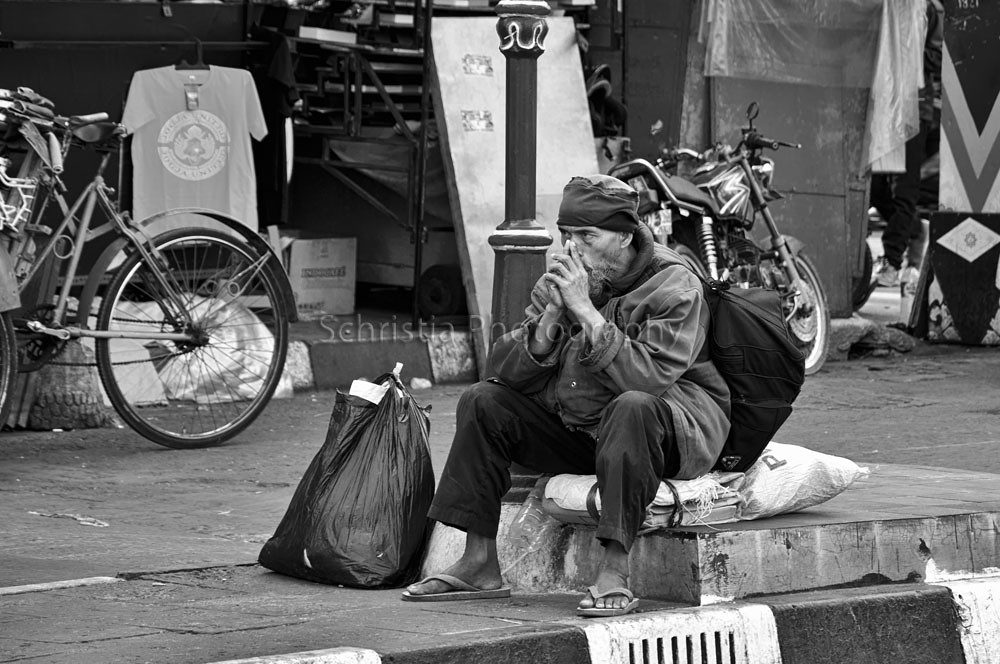
Alun-Alun Kidul is the southern square behind the palace. At night it fills with families and students renting pedal cars covered in colored lights. The tradition of masangin sees people try to walk blindfolded between two big banyan trees in the middle, which gives you candid moments of laughter and confusion. Come after 19:00. Use a slow shutter to turn the lit cars into streaks behind a still figure, or shoot the blindfolded walkers from the side. Street food stalls line the edge.
Tugu Yogyakarta
Tugu is the white monument at the north end of the city's main axis, which runs south through Malioboro to the palace. It stands in the middle of a busy junction and is a favorite night photo spot for locals. At night, people gather on the corners to take pictures of each other with the lit monument. Use the monument as a background and photograph the people photographing it. Traffic is constant, so shoot from the corners, never the road.
Kotagede
Kotagede, southeast of the center, was the capital of the Mataram kingdom and is known for its silversmiths. Narrow lanes run between old walls and traditional houses, and the traditional market is busy in the morning. Come early for the market, then walk the lanes toward the royal cemetery and mosque. Silver workshops often let you watch the smiths; ask before photographing inside. Frame a figure in a narrow lane between high walls. It is a residential area, so be discreet.
Prambanan Temple
Prambanan is the great Hindu temple complex about 17 km east of the city. Asian Itinerary suggests walking past the three main temples to the quieter Sewu cluster, and coming on weekday mornings for fewer people. At sunset the spires look dramatic against the sky. On some evenings, the Ramayana ballet is performed with the temples behind. It is more monument than street, but visitors and school groups give you people to work with. There is an entry fee, and it is a popular tour stop, often combined with Borobudur.
Photographing people in Yogyakarta
Photographing people in public is generally tolerated in Indonesia. Indonesia's Copyright Law (No. 28 of 2014) gives people in portraits control over commercial use, and advertising needs written consent, as Legal 500 explains. This is general information, not legal advice.
People in Yogyakarta are famously polite and many are happy to be photographed. ooa revo noticed that people were aware of his camera when he worked close with a 35mm, so a smile and a word first help. Ask before close portraits of women, especially those wearing a veil, and be respectful around mosques at prayer times. Becak drivers may pose, then offer you a ride. Buying from a vendor before shooting builds goodwill. More in how to photograph strangers.
General information, not legal advice. More in is street photography legal?
What to photograph in Yogyakarta
- Becak drivers napping in their own seats between fares.
- Batik in the market and in workshops, with fabric drying on bamboo frames.
- Market women selling fruit and jamu.
- Students: Yogyakarta is a university city, and young people fill the streets at night.
- Palace retainers in traditional Javanese dress.
- Street musicians and painters on Malioboro.
- Lit pedal cars at Alun-Alun Kidul.
- Motorbikes in every scene, often carrying whole families.
- Kampung murals around Taman Sari and in the student neighborhoods.
- Rain: sudden downpours in the wet season, with plastic ponchos on every rider.
- Mosques at prayer time, with shoes lined up outside.
A one-day photo walk
- 6:30, Beringharjo Market. Morning shopping in soft light, starting in the eastern building where locals buy food.
- 8:30, Taman Sari. About 15 minutes by becak. Pools and the underground mosque.
- 10:00, Kraton Yogyakarta. A 10 minute walk. The palace and its lanes.
- 12:00, rest. Midday is hot and harsh.
- 16:00, Malioboro Street. About 10 minutes by becak. Late light on the shopfronts, then the evening crowds at dusk.
- 19:00, Tugu Yogyakarta. A 15 minute walk north for the lit monument.
- 20:00, Alun-Alun Kidul. About 15 minutes by car or ride app. Lit pedal cars and the banyan trees.
When to shoot
April to October is the dry season. The rains run from about November to March, with heavy afternoon storms. Beringharjo and Taman Sari are best in the morning; Malioboro and Alun-Alun Kidul in the evening. Ramadan changes the rhythm of the city, with busy evening markets before breaking the fast.
The light
Tropical light, soft for the first hours after sunrise and harsh by 10:00. Most spots face east or south, so mornings usually beat evenings. At night, Malioboro and the palace square run on neon and colored bulbs.
What to bring
A 28mm or 35mm prime for the lanes and markets, and a fast lens for Malioboro at night. A light rain cover in the wet season.
Safety
Generally safe. Watch for bag snatching from motorbikes and pickpockets in the Malioboro crowds, and agree becak fares before riding. Merapi volcano, north of the city, is active; check local alerts before any trip up its slopes.
Tips for Yogyakarta
- Season: April to October is dry. The rains run from about November to March.
- Mornings: most spots face east or south, so the first hours after sunrise give the best light, as Asian Itinerary notes.
- Temples: Borobudur and Prambanan are the staples of any photography tour here. Go at opening or late in the day, and check current access rules.
- Becak: agree the fare before you ride. It is the best way to see the lanes.
- Night: Malioboro and Alun-Alun Kidul are lit well. Shoot at ISO 3200 at f/2. See street photography settings.
- Ramadan: expect quieter days and busy evening markets before sunset.
- Dress: cover shoulders and knees for the Kraton and mosques.
Frequently asked questions
Is street photography legal in Yogyakarta?
Photographing people in public is generally tolerated, and people are friendly. Indonesia's Copyright Law (No. 28 of 2014) gives people in portraits control over commercial use, so get written consent for advertising. Inside the Kraton and at mosques, follow the rules on dress and photography. Be respectful at prayer times and ask before close portraits of women. General information, not legal advice.
Where are the best street photography spots in Yogyakarta?
Start with Malioboro Street, Beringharjo Market, Kraton Yogyakarta, Taman Sari. The main shopping street. Becak drivers by day, evening crowds and buskers at night.
When is the best time for street photography in Yogyakarta?
April to October is the dry season. The rains run from about November to March, with heavy afternoon storms. Beringharjo and Taman Sari are best in the morning; Malioboro and Alun-Alun Kidul in the evening. Ramadan changes the rhythm of the city, with busy evening markets before breaking the fast.
What lens should I bring to Yogyakarta?
A 28mm or 35mm prime for the lanes and markets, and a fast lens for Malioboro at night. A light rain cover in the wet season.
Is Yogyakarta safe for street photographers?
Generally safe. Watch for bag snatching from motorbikes and pickpockets in the Malioboro crowds, and agree becak fares before riding. Merapi volcano, north of the city, is active; check local alerts before any trip up its slopes.
More street photography cities
- JakartaIndonesia
- SingaporeSingapore
- Kuala LumpurMalaysia
- Ho Chi Minh CityVietnam