
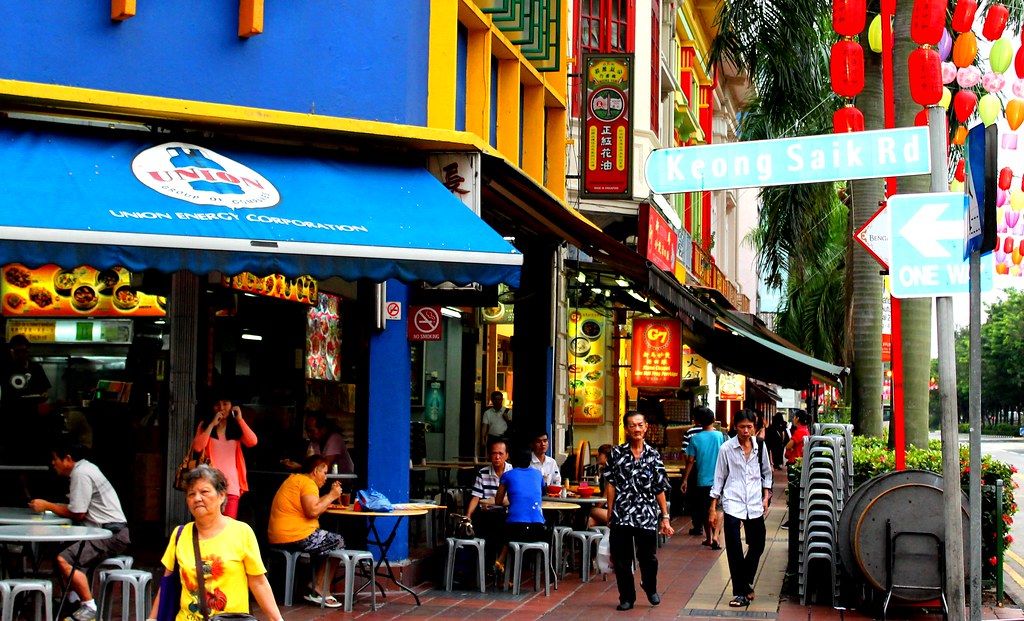
Street Photography in Singapore
Clean, safe and multicultural: Chinatown, Little India and Kampong Glam sit a short walk apart under tropical light.
- Spots
- 7
- Best time
- February to April is driest
- Lens
- 23mm or 35mm
- Photographing people
- Generally allowed
Singapore is a strong city for street photography because its old ethnic quarters sit a short walk apart, and it is one of the safest places anywhere to walk with a camera at any hour. In one morning you can go from garland sellers in Little India to chess players in Chinatown.
Local photographer Sandy Galabada calls it the best place to explore the fusion of Asia in one city. Eric Kim includes it on his list of favorite street photography cities and points to Arab Street. The city is also modern and very clean, so the contrast between old shophouses and glass towers is part of the picture.
The catch is the light. Equatorial sun is hard and high from about 10 am to 4 pm. I recommend shooting early and late, using the covered five-foot walkways of the shophouses for shade at midday, and treating sudden rain as a gift for reflections. Humidity is constant, so pack light.
Best street photography spots in Singapore
Little India & Tekka Centre
Little India is the most colorful part of the city, in the buildings and in the clothes. Nathan Allen shot here on early walks with a Ricoh GR II for the soft light. Start at Tekka Centre, a wet market and food centre where the stairways throw deep shadows. Buffalo Road outside sells fruit and flower garlands for temple worshippers. The painted house of Tan Teng Niah on Kerbau Road is the most photographed facade in the area. Place a passerby in front of its colors, or use the big murals near Little India MRT. Caution: take your shoes off in temples and ask before photographing people at prayer.
Chinatown
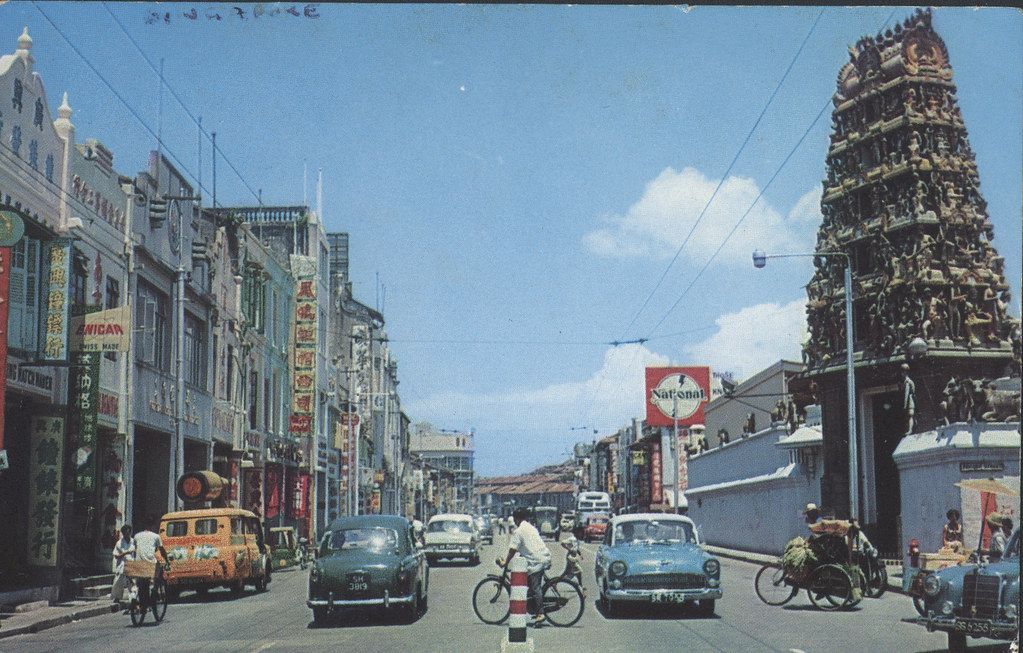
Chinatown mixes restored shophouses and old temples. Shuttergroove started at 7:30 am on a cloudy day and caught vendors setting up. The writer spent four hours on Temple Street and Trengganu Street, finding wall art in the back alleys. Galabada recommends watching the Chinese chess players near Maxwell on weekends and weekday afternoons, and taking Exit C from Chinatown MRT to People's Park Complex for old shops. It works at night too. Composition idea: shoot along a five-foot way so the arches repeat into the distance, then wait for one figure. Caution: the main tourist lanes get packed from late morning.
Kampong Glam & Arab Street
Kampong Glam is the old Malay and Muslim quarter, built around the golden dome of Sultan Mosque. Eric Kim picks Arab Street as his Singapore spot. Haji Lane next door is narrow and covered in murals, with young shoppers and cafe crowds. Come early for empty lanes and soft light on the mosque, or in the evening when the cafes fill. Use a mural as a flat, colorful background and wait for someone in plain clothes to cross it. Caution: dress modestly and avoid prayer times near the mosque. Haji Lane is also very busy with people doing photo shoots, so work around them.
Raffles Place & CBD
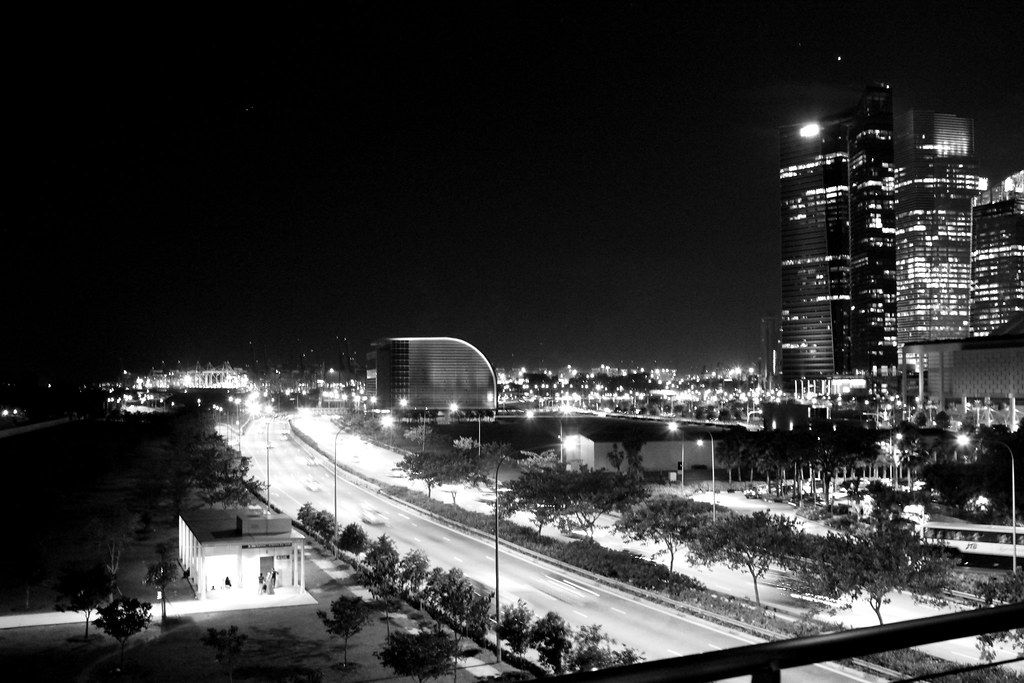
The financial district gives you office workers and glass towers. Galabada notes that it is crowded on weekdays but can be almost empty on hot weekends, especially around Robinson Road. Come at lunch or around 6 pm when people pour out of the towers. Look for reflections in the glass, and for shafts of hard light between buildings. In the evening, Lau Pa Sat hawker centre and the satay stalls on the street next to it draw big crowds. Caution: some building plazas are private property, and security may ask you to stop. Just move to the public sidewalk.
Marina Bay
Marina Bay is where the skyline lives: Marina Bay Sands and the Merlion. It is the place for evening crowds and blue hour. People jog and take selfies against the view, which gives you silhouettes against a lit city. Jamie Chance stayed a night at Marina Bay Sands to shoot the area. Shoot from low on the promenade so people cut into the skyline. The nightly light show pulls a crowd to the waterfront. Caution: it gets very hot and humid in the afternoon, and storms come fast, so check the sky before you walk out on the open promenade.
Hawker centres (e.g. Maxwell)
Hawker centres are where Singapore eats, and the best place to get cooks and diners in one frame. Maxwell Food Centre on the edge of Chinatown is the classic. Come at the lunch rush, about noon to 1:30 pm, for queues and full tables. Stand at the end of a row of stalls and use the long line of signs as a leading line. Or shoot a cook in steam from the side. Watch for small local habits, such as tissue packets left on tables to reserve seats. Caution: people are eating, so do not put a lens in anyone's face. Ask a stall owner before photographing their kitchen, and buy something first.
Geylang Road
Geylang is rougher and more local than the tourist quarters. Galabada rates it one of the best areas for street photography in Singapore. The road runs about 2 km from Paya Lebar to Kallang, lined with old restaurants and fruit shops under neon. Come in the evening when the food stalls fill. After dark, use the neon signs and shop lights to shape faces. Guillemard Road and Sims Avenue run parallel and have the same mood. Caution: some of the side lanes are part of a licensed red-light area. Keep your camera away from people there.
Photographing people in Singapore
Photographing people in public is legal in Singapore. There is no general image right, and the data protection law does not require consent from someone photographing in a personal capacity in a public place, as Singapore Legal Advice explains. The risk comes from how you publish. The Protection from Harassment Act covers abusive or insulting words or behaviour, and a photo posted with a mocking caption could cross that line. Respect any No Photography sign and never photograph military or government installations. See our street photography law page. This is general information, not legal advice.
Singaporeans are generally reserved but polite. Most people ignore a camera. Shuttergroove suggests engaging and asking in more intimate settings, and I agree. A smile and a nod usually solve it.
General information, not legal advice. More in is street photography legal?
What to photograph in Singapore
- Garland sellers and shoppers on Buffalo Road.
- Cooks in steam and diners at hawker tables.
- Chinese chess players in Chinatown.
- Office workers crossing Raffles Place at lunch.
- Colorful shophouses and murals as backgrounds for single figures.
- Umbrellas and reflections during sudden tropical downpours.
- Worshippers arriving at the Sultan Mosque and the Hindu temples, from a respectful distance.
- Old men on classic motorcycles or bikes, which Allen found on Race Course Road.
- Neon and night crowds in Geylang.
- Joggers and selfie takers in silhouette on the Marina Bay promenade.
- Uncles reading newspapers in the void decks and coffee shops of older neighborhoods.
A one-day photo walk
- 7:30 am, Little India. Take the MRT to Little India and start at Tekka Centre while the wet market is busy.
- 10:00 am, Kampong Glam. Walk about 20 minutes southeast to Arab Street and Haji Lane.
- 12:00 pm, Maxwell Food Centre. Take the Downtown Line from Bugis to Chinatown (about 10 minutes) and walk over for the lunch rush.
- 1:30 pm, Chinatown. Work Temple Street and Trengganu Street under the shade of the five-foot ways.
- 5:30 pm, Raffles Place. Walk about 15 minutes to catch office workers heading home.
- 7:00 pm, Marina Bay. Walk 10 minutes to the waterfront for blue hour. Finish with satay near Lau Pa Sat.
When to shoot
February to April is driest. Early morning walks for soft light; evenings in hawker centres.
The light
Harsh equatorial sun from 10 am to 4 pm; sudden rain gives reflections.
What to bring
A compact like the Ricoh GR II works well; 23mm to 35mm equivalent.
Safety
Very safe.
Tips for Singapore
- February to April is the driest period. Expect short, heavy storms the rest of the year.
- Lenses fog when you step out of air conditioning. Let the camera warm up in your bag for a few minutes first.
- A compact like the Ricoh GR, or a 23mm to 35mm equivalent, is all you need. See our camera guide.
- Keep a microfiber cloth for sweat and rain, as Shuttergroove suggests.
- Chinese New Year (January or February) and Vesak (usually May) bring decorations to Chinatown, per Galabada.
- Deepavali, usually in October or November, lights up Serangoon Road in Little India.
- Use the covered walkways for shade at midday and shoot out into the bright street, exposing for the light.
Frequently asked questions
Is street photography legal in Singapore?
Moderate. Photographing in public is legal, but laws on insult and harassment apply and people may object. Avoid shooting in a way that feels intrusive; never photograph military or government installations.
Where are the best street photography spots in Singapore?
Start with Little India & Tekka Centre, Chinatown, Kampong Glam & Arab Street, Raffles Place & CBD. Crowds, color and Kerbau Road murals.
When is the best time for street photography in Singapore?
February to April is driest. Early morning walks for soft light; evenings in hawker centres.
What lens should I bring to Singapore?
A compact like the Ricoh GR II works well; 23mm to 35mm equivalent.
Is Singapore safe for street photographers?
Very safe.
More street photography cities
- Kuala LumpurMalaysia
- JakartaIndonesia
- Ho Chi Minh CityVietnam
- Phnom PenhCambodia