
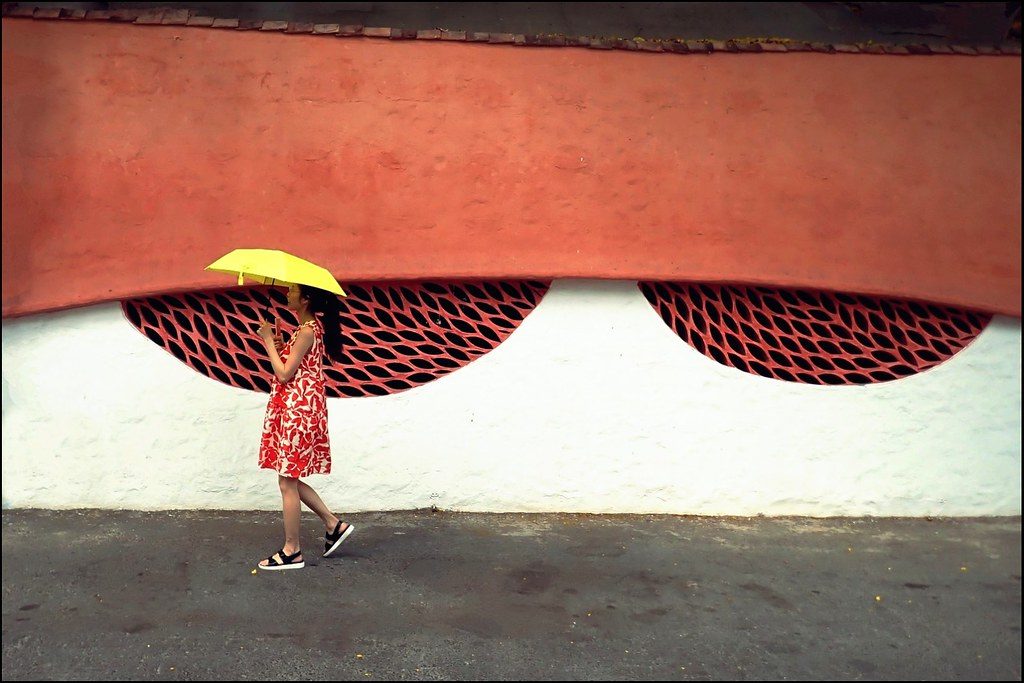
Street Photography in Ho Chi Minh City
Saigon packs motorbikes and street food into dense, photo friendly neighbourhoods, with the old Chinatown of Cholon a short ride from the modern centre.
- Spots
- 8
- Best time
- Dry season, roughly December to April
- Lens
- 28mm or 35mm
- Photographing people
- Generally allowed
Ho Chi Minh City, still called Saigon by most locals, is very good for street photography because life happens on the pavement, and people are among the most photo friendly you will find. It is less polluted and less chaotic than Hanoi, but still a wonderful place to shoot in Vietnam.
The city mixes two worlds. The centre has skyscrapers and rooftop bars. Cholon, the old Chinatown, still feels like the Saigon of old, with narrow alleys and markets. My Inspired Eye page on the city features Gavin Stokes, who spent his trip photographing storefronts: shops built out of the stock they sell. I think they almost beg to be photographed. One note on names: Vietnam reorganised its local government in 2025, so the old district numbers you see in guides, like District 1 or District 5, may no longer be official, though locals still use them.
Best street photography spots in Ho Chi Minh City
Binh Tay Market & Cholon
Binh Tay is the main market of Cholon, Saigon's Chinatown, in what used to be called District 5. It is mostly wholesale and caters to locals, so you get porters and bargaining rather than souvenirs. The market is only the start. The streets and alleys around it feel like older Saigon, with people living and working outside. Go in the morning when trade is busiest, then walk north through the side streets. Composition idea: find a narrow alley with a bright opening at the end and wait for a motorbike to pass through it. Caution: loads move fast. Step aside for anyone carrying goods.
Thien Hau Temple
Thien Hau Temple, also known as the Tue Thanh Assembly Hall, is a Chinese temple dedicated to the sea goddess Mazu. It sits in Cholon a short ride from Binh Tay. Large incense coils hang from the ceiling and the smoke catches the light from the courtyard, so shoot when the sun is high enough to reach inside. Worshippers come and go all day. Composition idea: use the smoke as a soft layer between you and a person praying. Caution: this is a place of worship. Keep a distance from people praying and do not use flash.
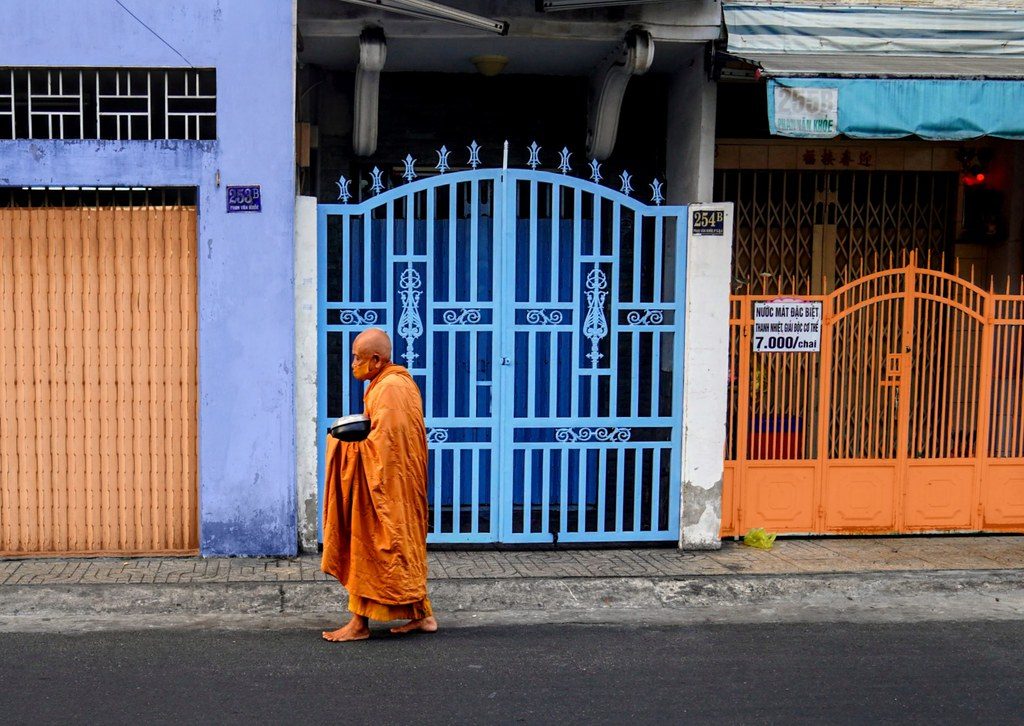
Ben Thanh Market
Ben Thanh is the city's best known market, with French colonial architecture and a clock tower in the centre of town. It is the most touristy spot in Saigon, but also one of the liveliest, and the streets around it stay active day and night. Inside, you get stalls stacked with goods and vendors between them. Outside, you get traffic and delivery bikes. Composition idea: stand across the road and use the clock tower as the backdrop for passing motorbikes. Caution: this is prime territory for pickpockets and bag snatchers, so keep your camera strap on.
September 23 Park
September 23 Park stretches several blocks along Pham Ngu Lao Street up to Ben Thanh Market. It mixes locals and tourists. You will see people playing shuttlecock and using the exercise stations. Students looking to practise English may come up to you for a chat. Early morning and late afternoon are the busiest times for exercise. Composition idea: shoot a shuttlecock player mid kick against the open sky. Caution: the park runs along busy roads, so watch the traffic when you step back for a wider frame.
Tao Dan Park
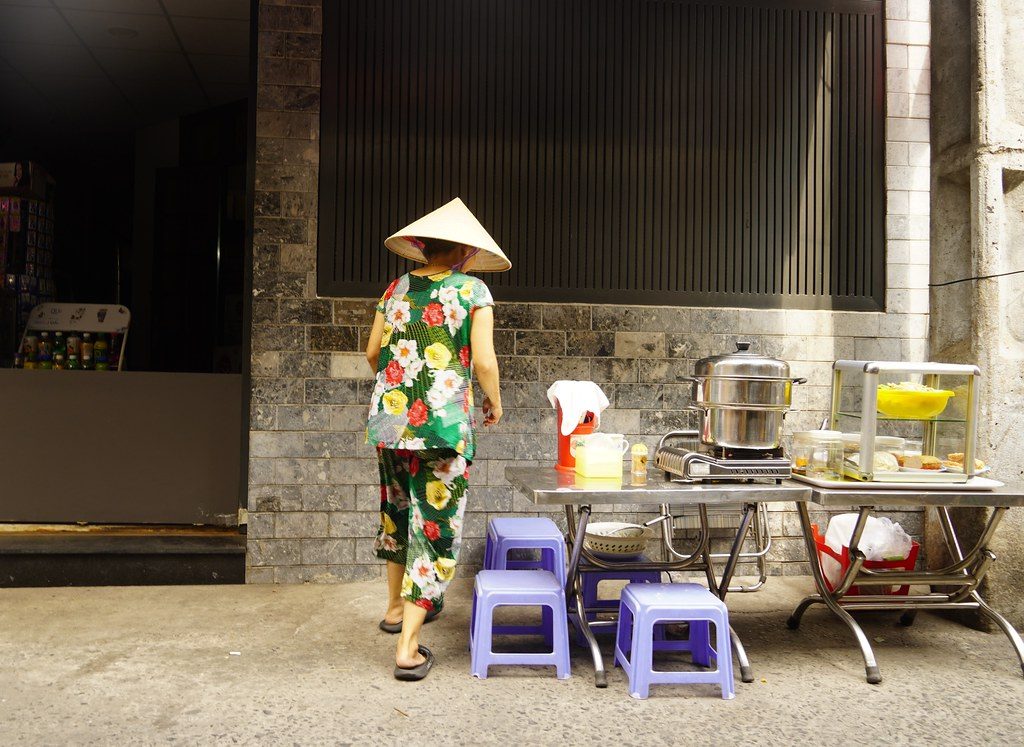
Tao Dan Park is larger and more spread out than September 23 Park. It was once part of the Governor's Palace grounds and is now the city's cultural park, with gardens and benches under big trees. Go early in the morning, when people exercise before work. The shade makes for soft light and dappled patterns. Composition idea: put a figure in a patch of sun and expose for it, letting the shaded background fall dark. Caution: some people come here for quiet time. If someone signals no, move on.
Tan Dinh Market
Tan Dinh Market is a busy local market with fewer tourists than Ben Thanh. It sells everything from produce to fabric, and at night food vendors take over the street outside. Late afternoon gives you low light between the stalls. Composition idea: shoot from the edge of the market toward the street, so vendors in shade frame the traffic in sunlight. Caution: aisles are tight and vendors are working, so do not block them. Ask before close portraits.
Nguyen Hue Walking Street
Nguyen Hue was Saigon's first pedestrian street. A statue of Ho Chi Minh stands at one end, in front of the French era City Hall. It is wide open, so it is good for people watching in daylight, but it gets busiest at night, especially on weekends, when young locals hang out and events are often held. Composition idea: use the open space and the lit buildings behind to isolate a group in silhouette. Caution: crowds are thick on weekend nights. Keep your gear close.
Bui Vien Walking Street
Bui Vien and the parallel Pham Ngu Lao make up the backpacker district. It is busy from day to night. After dark the lights come on and plastic stools fill the pavement. Locals come too, for the nightlife and the food. Composition idea: shoot from a low stool at street level with neon behind the drinkers. Caution: late at night the crowd gets drunk and pushy, and bag snatching is a risk. Carry little and keep your strap wrapped.
Photographing people in Ho Chi Minh City
In practice, street photography is widely accepted in Saigon, and many people will smile or wave at a camera. Vietnam's civil code does protect a person's right to their own image, and using someone's picture commercially generally needs their consent. Never photograph military sites or any building with a no photography sign. For candid work in markets, keep moving and shoot at a natural pace. For portraits, a smile and a point at the camera usually work. Show people the picture afterwards. Vendors are busy, so do not block trade, and buy something if you linger. Students in the parks may approach you to practise English, which is an easy way to make a portrait. This is general information, not legal advice. See is street photography legal.
General information, not legal advice. More in is street photography legal?
What to photograph in Ho Chi Minh City
- Storefronts. Shops that spill onto the pavement, with goods stacked into walls. This was the focus of Gavin Stokes' series.
- Motorbikes. Whole families squeezed onto one seat, and drivers napping across their bikes on the pavement.
- Street food and coffee. Plastic stools and pop up kitchens on every block.
- Old and new. Construction sites and new towers beside colonial buildings and old apartment blocks. Workers in blue uniforms are everywhere on the building sites.
- Parks at dawn. Before work, the central parks fill with people exercising and playing shuttlecock.
- Riverside at sunset. Families gather by the Saigon River on the Thu Thiem side in the evening, some flying kites.
A one-day photo walk
- 7 am, Binh Tay Market and Cholon. Work the market, then the alleys to the north.
- 9:30 am, Thien Hau Temple. About 15 to 20 minutes on foot east through Cholon.
- 11 am, September 23 Park. Take a taxi or ride hailing bike to the centre, around 20 to 30 minutes depending on traffic.
- Noon, Ben Thanh Market. Walk north through the park. Shoot inside during the midday heat.
- 4 pm, Tao Dan Park. A 10 minute walk west, for late light under the trees.
- 7 pm, Nguyen Hue to Bui Vien. Take a short ride to Nguyen Hue, then finish on Bui Vien after dark.
When to shoot
Dry season, roughly December to April. Early mornings for markets and parks, nights for Nguyen Hue and Bui Vien. Rainy season afternoons bring short, heavy storms.
The light
Hard tropical sun from mid morning. Shade under awnings and trees gives soft light; markets and alleys are dim.
What to bring
Wide to normal prime (28mm or 35mm) for crowds and alleys. Keep ISO high indoors. A small camera draws less attention.
Safety
Generally safe, but motorbike snatch theft of phones and cameras is a known problem. Keep straps on and gear on the side away from the road.
Tips for Ho Chi Minh City
- Keep your strap wrapped around your wrist. Snatch theft from passing motorbikes is common near busy roads.
- Shoot markets early. Many local markets start closing up in the afternoon.
- In the rainy season, roughly May to November, storms often hit in the afternoon. Shelter under an awning and shoot the rain.
- Before Tet (late January or February), Nguyen Hue is usually turned into a flower street, and flower boats from the Mekong Delta arrive along the canals in what was District 8.
- A 28mm lens works well in tight alleys. See best lens for street photography.
- Cross traffic slowly and at a steady pace. Riders steer around you.
Frequently asked questions
Is street photography legal in Ho Chi Minh City?
Mostly permissive in practice, but Vietnam's civil code protects a person's right to their image, so get consent for commercial use. Never photograph military sites or buildings with no photo signs.
Where are the best street photography spots in Ho Chi Minh City?
Start with Binh Tay Market & Cholon, Thien Hau Temple, Ben Thanh Market, September 23 Park. Main market of Chinatown (Cholon). Wholesale trade, porters and alleys; best in the morning.
When is the best time for street photography in Ho Chi Minh City?
Dry season, roughly December to April. Early mornings for markets and parks, nights for Nguyen Hue and Bui Vien. Rainy season afternoons bring short, heavy storms.
What lens should I bring to Ho Chi Minh City?
Wide to normal prime (28mm or 35mm) for crowds and alleys. Keep ISO high indoors. A small camera draws less attention.
Is Ho Chi Minh City safe for street photographers?
Generally safe, but motorbike snatch theft of phones and cameras is a known problem. Keep straps on and gear on the side away from the road.
More street photography in Vietnam
Start with the Vietnam street photography guide, then pick a city.
More street photography cities
- Phnom PenhCambodia
- BangkokThailand
- Kuala LumpurMalaysia
- SingaporeSingapore
Further reading: the Inspired Eye guide to Ho Chi Minh City.