
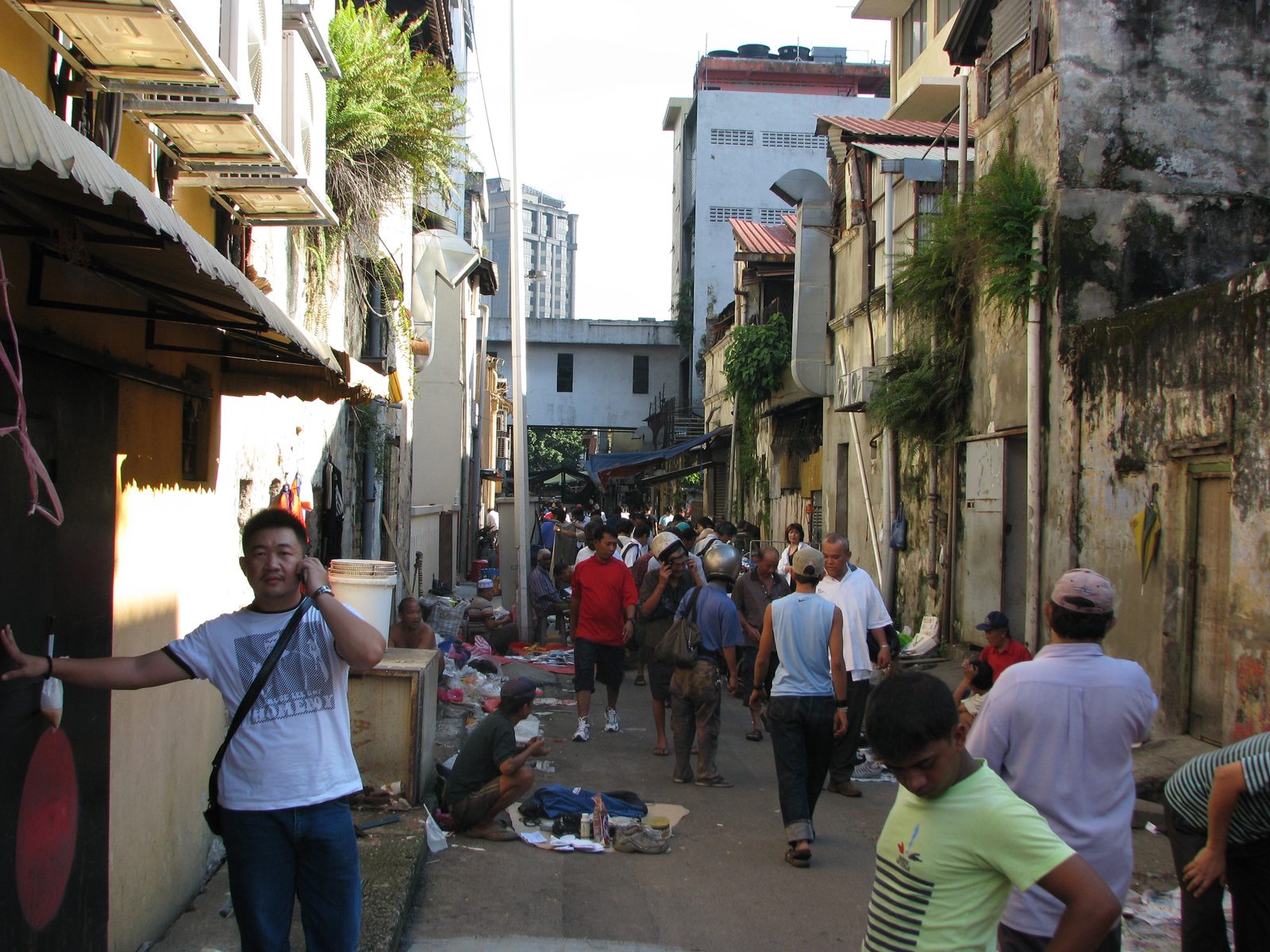
Street Photography in Kuala Lumpur
Kuala Lumpur's Chinatown and wet markets mix the city's communities on the same few streets, and traders are mostly relaxed about cameras.
- Spots
- 7
- Best time
- Year round, but expect heat and afternoon storms
- Lens
- 23mm
- Photographing people
- Generally allowed
Kuala Lumpur is a good street photography city if you stay in its older core. Chinatown and the wet markets put the city's communities side by side, and traders are mostly happy to be photographed. Robin Wong, who has shot the city for years, rates Pudu and Chow Kit among the best places he knows.
I'll be honest: when I passed through Kuala Lumpur, it didn't click for me, and I liked Penang better. Nothing against the city; something in the air just didn't sit well with me. The practical problem is the modern city. Much of it is towers and highways that are hard to walk, and Michael Breitung found he needed a ride hailing app to get almost anywhere. The answer is to skip the malls and base yourself near Chinatown, where Petaling Street and the markets are within a few minutes of each other. Go early. The best light is right after sunrise, and the afternoons are hot and often stormy.
Best street photography spots in Kuala Lumpur
Petaling Street
Petaling Street is the heart of Chinatown, a covered market street of stalls selling food and souvenirs. Sandy, a photographer based in Singapore, found vendors shouting to passersby while locals mingled with tourists, and worked it with a 35mm. Shutter Groove recommends about 8:00 in the morning, when low sun cuts across the street and people are eating breakfast while stalls set up. After dark, neon and shop lights take over. Stand at one end under the roof and shoot along the street for layers of signs and faces. The crowd gets thick in the evening, so keep your bag close.
Kwai Chai Hong
Kwai Chai Hong is a restored back alley in Chinatown, decorated with murals and art installations about the area's history. It is one of the most photographed corners in Kuala Lumpur, which means you will share it with people posing. Make that the subject. Frame the person holding the phone along with the person posing, or wait for a passerby who echoes a painted figure on the wall. Late afternoon and evening are best, when the alley lights come on. It is small and gets congested, so step aside for people coming through.
Central Market (Pasar Seni)
Central Market is an Art Deco market building next to Chinatown that now sells local crafts and souvenirs. Shutter Groove likes its colorful facade and the activity inside for candid shots. It is a useful place when it rains, which in Kuala Lumpur often means a heavy afternoon storm. Shoot shoppers against the painted facade from across the road, or look for artisans working at their stalls inside. Ask before photographing someone at work up close. The Pasar Seni train stations are next door, so it is an easy starting point.
Sri Mahamariamman Temple
Sri Mahamariamman Temple, on Jalan Tun H.S. Lee, is the oldest Hindu temple in Kuala Lumpur. Its tower gate, the gopuram, is covered in detailed statues and makes a strong backdrop for people passing below. Shutter Groove notes that the Pasar Karat flea market has moved to the area near the temple, and it is busiest on weekends, with vintage watches and old clothes. Shoot the gate from across the street as worshippers come and go, then walk into the flea market for characters. Remove your shoes to enter and ask before photographing anyone inside.
Merdeka Square
Merdeka Square is the big open square at the center of colonial Kuala Lumpur, surrounded by old buildings including the Sultan Abdul Samad Building. It is a short walk from Chinatown. Sandy used a 135mm here to pick out details of the architecture. For street work, late afternoon gives warm light on the facades and long shadows across the open ground. Use the wide space for small figures: a single walker crossing in front of the arches. There is little shade, so avoid the middle of the day.
Pudu Market
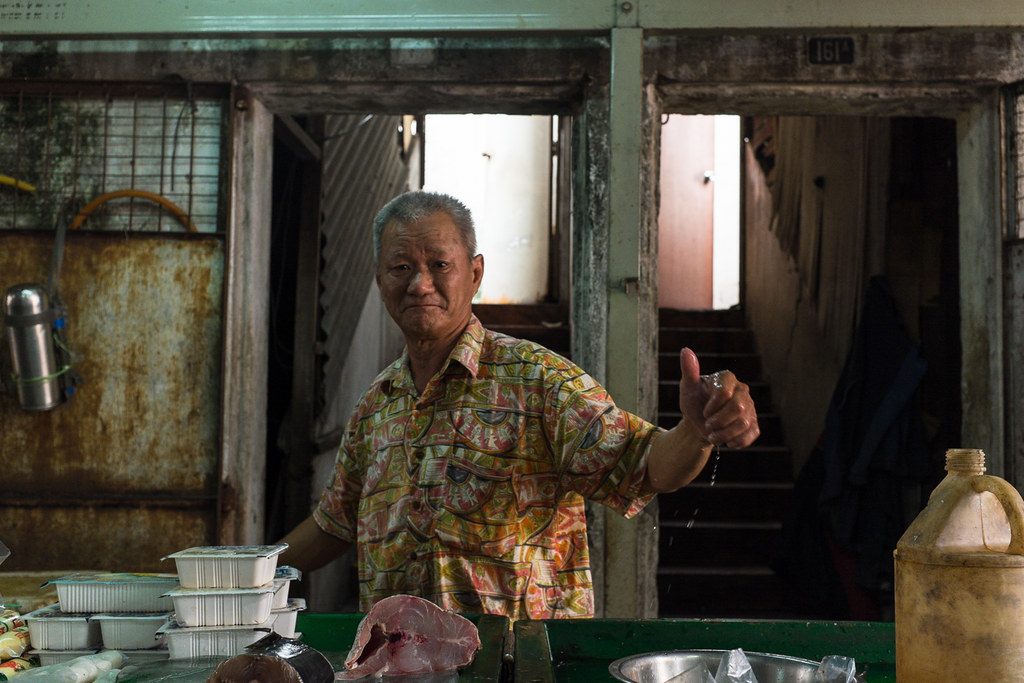
Pudu Market is a busy wet market east of the center. Robin Wong, a Malaysian street photographer who has shot here for years, calls it one of the best places in KL and says the people are generally friendly and don't mind being photographed. Go at dawn, when the market is loudest and the light is low. Look for butchers and fishmongers under hanging bulbs, and customers bargaining across the stalls. Floors are wet and there is a lot of moving traffic in the lanes, so wear shoes you don't mind ruining and watch for carts.
Chow Kit Market
Chow Kit is known for one of the city's largest fresh wet markets, with narrow aisles of fish and produce. It mainly serves a Muslim customer base. Robin Wong calls the area a holy grail for street photography and says he always came home with keepers. In 2016 he wrote that the old main market building was being demolished, and a newer market block now stands in the area. Come early in the morning for trade and porters. The market aisles are tight, so a wide lens helps. This is a gritty part of town; keep your gear close and your approach friendly.
Photographing people in Kuala Lumpur
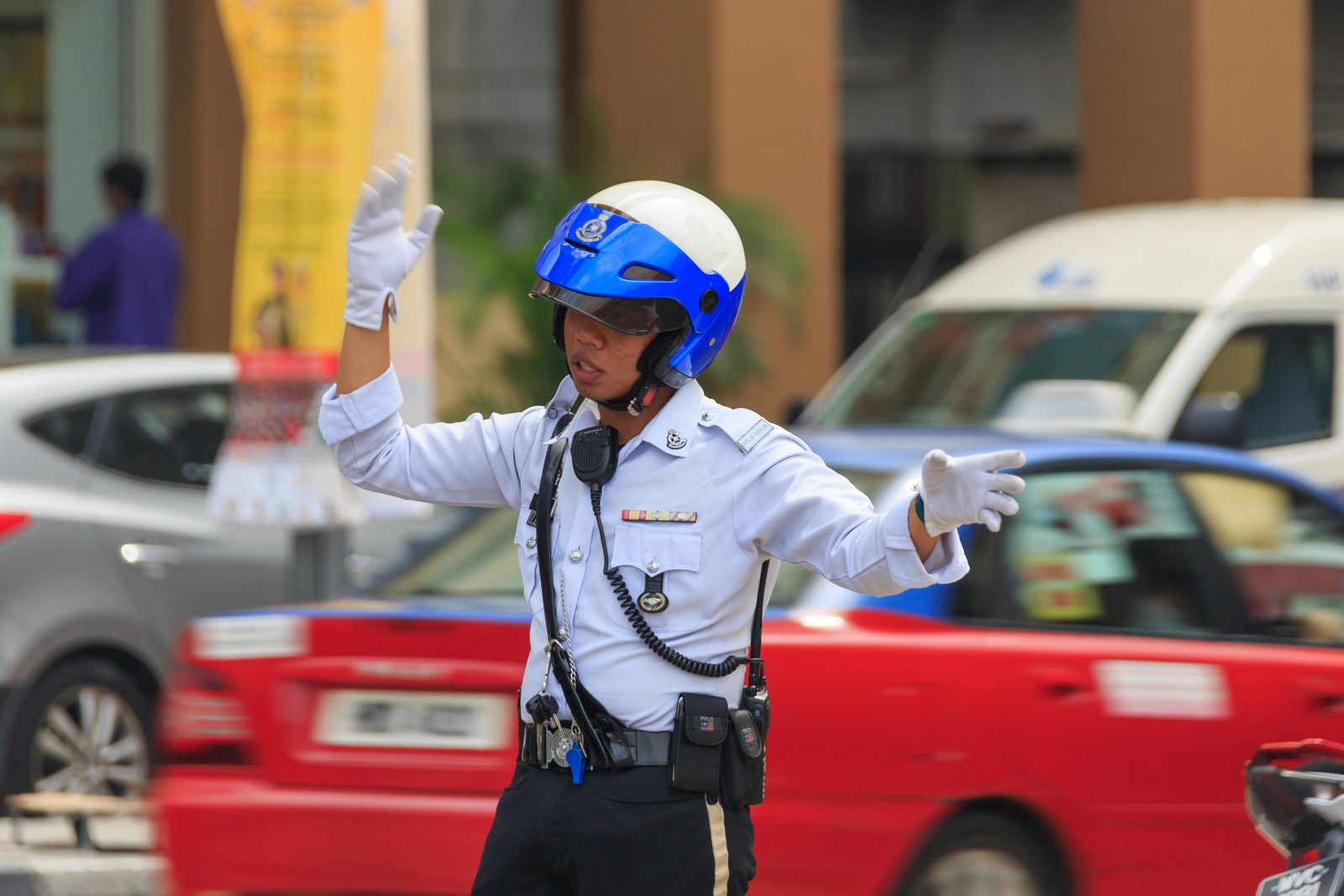
Street photography in public places is legal in Malaysia. In April 2026, Kuala Lumpur City Hall began confiscating equipment from unlicensed photographers, most of them foreigners, and fining them under street hawking rules. The South China Morning Post reported it as a crackdown on street photography. Robin Wong explains that the targets were photo touts who sell shoots to tourists around the KLCC Twin Towers and block traffic, not hobby street photographers. Don't offer paid shoots and don't chase tourists near KLCC. This is general information, not legal advice. See is street photography legal.
Most Malaysians are Muslim, so dress modestly and ask before close portraits of women. At mosques and temples, follow posted rules and never photograph people at prayer without permission. In the markets, a smile and a nod go a long way. More in how to photograph strangers.
General information, not legal advice. More in is street photography legal?
What to photograph in Kuala Lumpur
- Wet market workers at Pudu and Chow Kit, lit by bulbs and daylight from the aisles.
- Breakfast culture: people eating at street stalls in Chinatown in the early morning.
- Three cultures on one street. A Hindu temple gate faces Chinese shophouses across the same road.
- Neon and shop lights on Petaling Street at night.
- People posing at Kwai Chai Hong's murals, and the friends photographing them.
- Colonial architecture at Merdeka Square as a stage for small figures.
- Tropical storms. Afternoon downpours push people under arcades and awnings.
- Commuters spilling out of the Pasar Seni stations beside Central Market at rush hour.
- Flea market characters at Pasar Karat on weekends.
A one-day photo walk
- 6:30, Pudu Market. Start at the peak of the morning trade. About 1.5 hours.
- 8:15, Petaling Street. About 10 minutes by ride hailing car. Catch the breakfast crowd in the low light.
- 9:30, Sri Mahamariamman Temple. Two minutes' walk. On weekends, add the Pasar Karat flea market nearby.
- 10:30, Central Market. Five minutes' walk. Then rest through the midday heat.
- 16:30, Merdeka Square. About 10 minutes' walk north from Central Market, for warm light on the colonial buildings.
- After dark, Kwai Chai Hong and Petaling Street. About 15 minutes' walk back into Chinatown for neon and night stalls. Save Chow Kit for another morning.
When to shoot
Year round, but expect heat and afternoon storms. Wet markets from dawn to about 10:00; Chinatown at 8:00 and again after dark.
The light
Soft golden light for an hour after sunrise, then harsh tropical sun. Neon and shop lights in Chinatown at night.
What to bring
A wide lens for narrow alleys (around 23mm on APS-C) plus a short tele for details. Fast glass for night in Chinatown.
Safety
Generally safe. Keep an eye on your bag in crowded Chinatown and the markets. Many roads are hard to cross on foot.
Tips for Kuala Lumpur
- Morning light: Shutter Groove finds the best street light around 8:00, right after sunrise.
- Storms: heavy afternoon rain is common. Carry a cover and use arcades for reflections.
- Lens: a wider lens helps in narrow alleys; Shutter Groove switched to a 23mm on a Fujifilm body. Robin Wong uses a 25mm and a 45mm on Micro Four Thirds. See best lens for street photography.
- Getting around: use Grab between areas. Michael Breitung found many areas hard to reach on foot.
- Weekends: Pasar Karat flea market near the Sri Mahamariamman Temple.
- Festivals: Chinese New Year fills Chinatown with decorations, and Thaipusam draws huge crowds to Batu Caves, usually in late January or February.
- Skyline: for a sunrise view of the towers, Michael Breitung recommends the Changkat Tunku lookout, shared with many local photographers.
Frequently asked questions
Is street photography legal in Kuala Lumpur?
Street photography in public is legal in Malaysia. In 2026 Kuala Lumpur City Hall began confiscating gear from unlicensed photo touts selling shoots around KLCC under hawking rules; hobby street photography was not the target. Dress modestly at mosques and temples and ask before photographing worshippers.
Where are the best street photography spots in Kuala Lumpur?
Start with Petaling Street, Kwai Chai Hong, Central Market (Pasar Seni), Sri Mahamariamman Temple. Chinatown's market street. Breakfast crowds around 8:00, neon at night.
When is the best time for street photography in Kuala Lumpur?
Year round, but expect heat and afternoon storms. Wet markets from dawn to about 10:00; Chinatown at 8:00 and again after dark.
What lens should I bring to Kuala Lumpur?
A wide lens for narrow alleys (around 23mm on APS-C) plus a short tele for details. Fast glass for night in Chinatown.
Is Kuala Lumpur safe for street photographers?
Generally safe. Keep an eye on your bag in crowded Chinatown and the markets. Many roads are hard to cross on foot.
More street photography cities
- SingaporeSingapore
- Phnom PenhCambodia
- Ho Chi Minh CityVietnam
- JakartaIndonesia
Further reading: the Inspired Eye guide to Kuala Lumpur.