
Street Photography in Cape Town
Cape Town puts street life in front of mountain backdrops, with beach crowds and colorful neighborhoods under some of the best light of any big city, but crime means you plan every walk.
- Spots
- 8
- Best time
- October to April is the dry summer, with long days and strong wind at times
- Lens
- 28mm or 35mm
- Photographing people
- Generally allowed
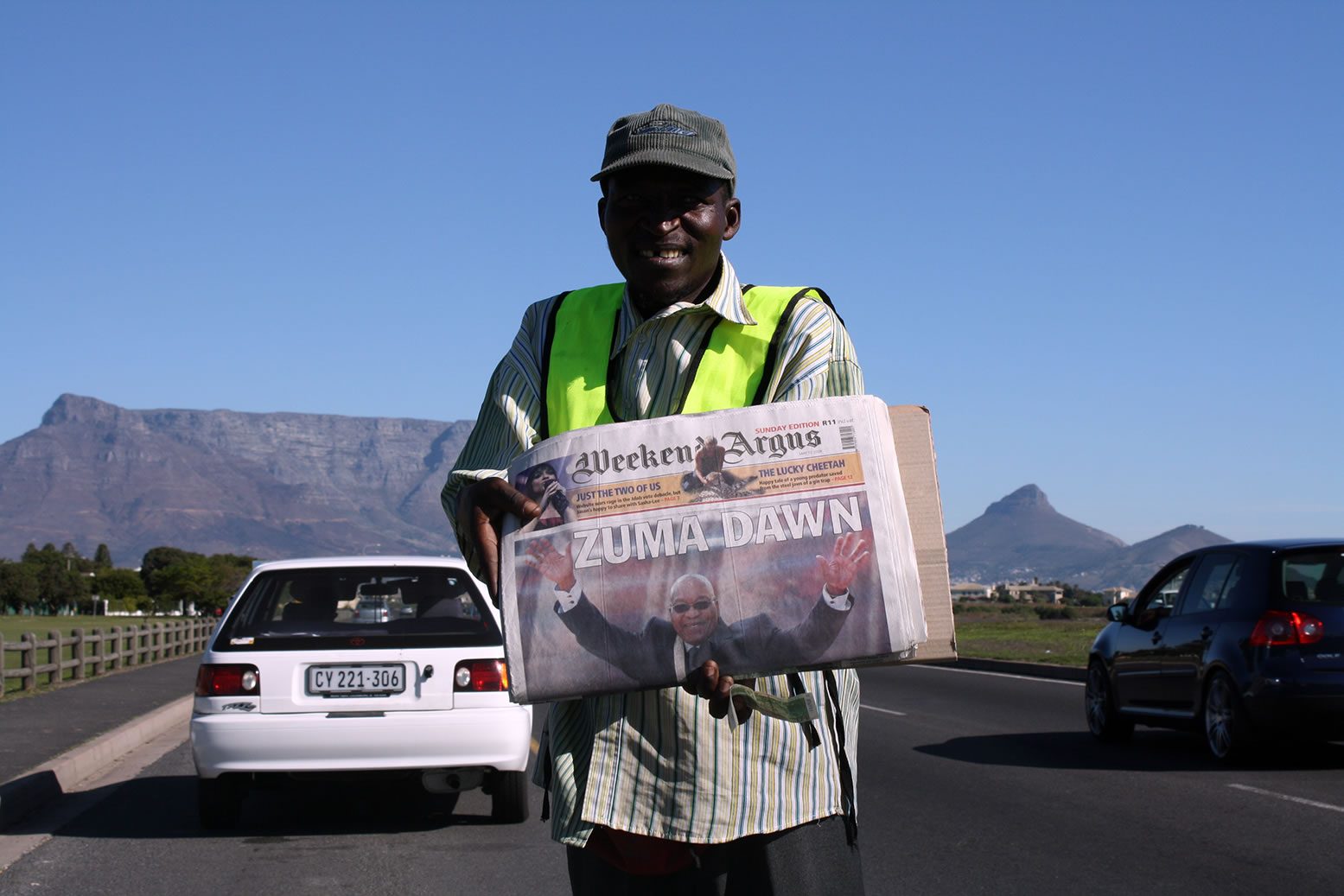
Cape Town is good for street photography because its street life plays out in front of some of the best backdrops of any city, with Table Mountain behind the center and the Twelve Apostles above the beaches. F. D. Walker found it one of the most photogenic cities he had shot, with endless beaches full of locals on weekends and beautiful light. Duran Levinson, a photographer based in the city, calls the juxtapositions of poverty and intense beauty insane.
The catch is crime. Walker found Cape Town safer than Johannesburg but still not as safe as most cities, and the UK FCDO warns of violent muggings, including on Table Mountain trails. So plan your walks. Stay in busy areas with one small camera, and use ride apps between spots. I'd spend mornings in the center and Bo-Kaap, and afternoons on the beaches. One day should go to the False Bay side by Muizenberg and Kalk Bay.
Best street photography spots in Cape Town
Bo-Kaap
Bo-Kaap, the former Malay Quarter, climbs the slope of Signal Hill above the center, with brightly painted houses and cobbled streets. Walker found real culture and character here beyond the colors. It is also one of the most photographed streets in Africa, and Penda Photo Tours describes the strain on residents whose homes have become backdrops. Come in the morning, when the sun lights the facades and people head to work or the mosque. Use a wall as the background and wait for a resident to walk through, rather than posing friends on their steps. Ask before including anyone.
Greenmarket Square
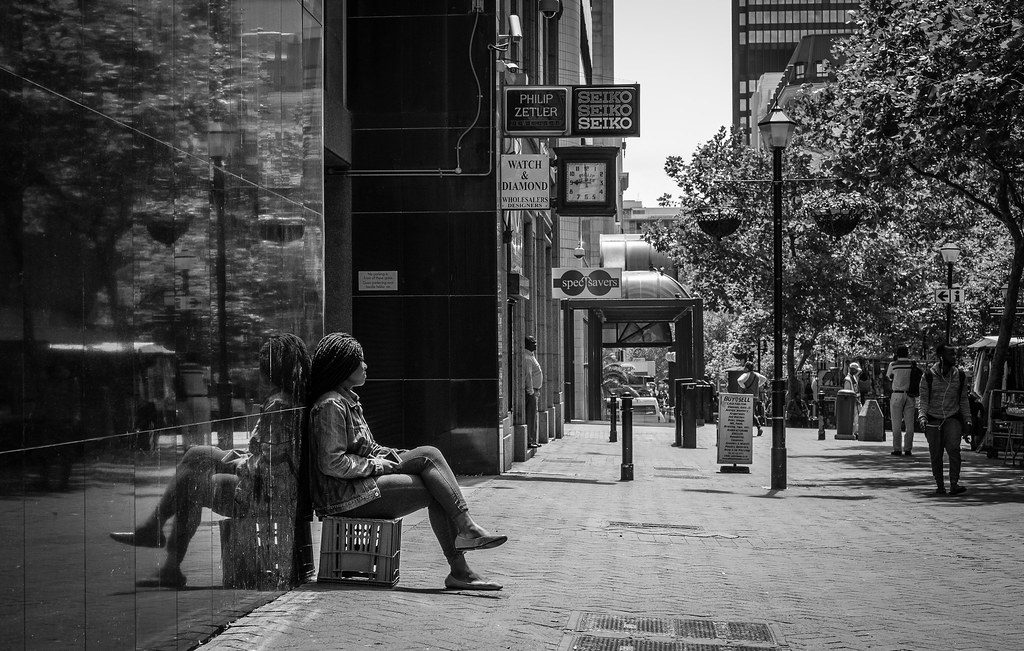
Greenmarket Square is one of Cape Town's oldest squares, filled with craft and clothing stalls. Long Street, the busiest street in the center, is a block away, lined with bars and bookshops. Walker suggests working these streets together with Bo-Kaap, since they are all within an easy walk. Late morning is good, when traders and office workers overlap. Shoot across the stalls toward the old buildings on the square. Keep your camera close: the center has pickpockets, and after dark it empties out.
V&A Waterfront
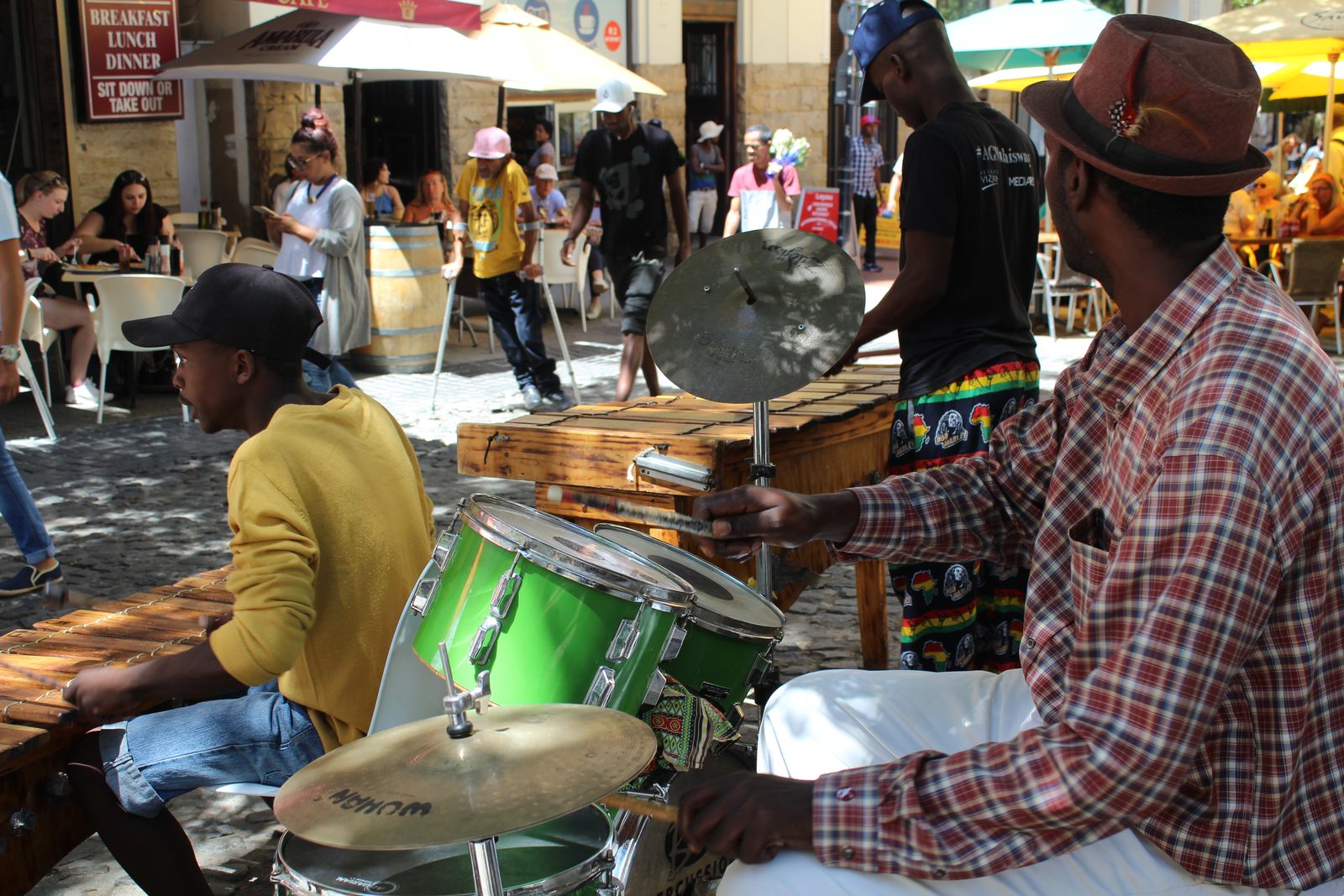
The V&A Waterfront sits in the city's historic working harbor. It is a large shopping and entertainment district full of buskers, with Table Mountain rising behind. Walker found it too touristy for his taste but admits it guarantees non stop activity, and many locals recommend it first. It is also one of the safest places in the city to walk with a camera. Come in the late afternoon for warm light on the water. Frame musicians and their audiences with the mountain behind, or shoot the fishing boats at the quays.
Sea Point Promenade
The Sea Point Promenade runs along the Atlantic shore west of the center, a wide walkway used by joggers, families, couples and dog walkers of every background. It is one of the best places in the city to see Capetonians mixing. Late afternoon into sunset is the time, when the light goes gold and the crowd peaks. Stand at the sea wall and shoot silhouettes against the water, or use the lawns for people relaxing. The promenade connects to Walker's suggested walk past the lighthouse to Three Anchor Bay.
Camps Bay Beach
Camps Bay is Walker's favorite beach for street photography: huge and popular with locals, set under the jagged Twelve Apostles. The sand and the rock pools fill with people on sunny weekends. The last couple of hours before sunset are best, when the light and the crowd come together. Shoot families on the rocks with the mountains behind, or walk the waterline with a wide lens. The MyCiTi bus runs here from the center. Keep your bag on you on the sand.
Woodstock
Woodstock is Cape Town's oldest suburb, a working class industrial area that went through hard times and has been gentrifying, with galleries and murals. Walker found it one of the more interesting neighborhoods to shoot, with graffiti and hipster cafes next to its gritty past. He also warns it does not feel completely safe away from the main streets. Come by day and stay around Albert Road. Use a large mural as a background and wait for a passerby. Do not wander side streets alone with a camera.
Muizenberg Beach
Muizenberg is one of the best known surf beaches in the world, on False Bay south of the city, with its colored bathing huts. Surfers and families fill the beach and the concrete promenade behind it. Walker says the trip is worth it and describes the train ride from the center as about 45 minutes, but the FCDO lists Metrorail as higher risk, so consider a ride app. Late morning is good for surfers in the water. Frame one surfer walking past the huts with a board. From here you can walk the coast toward Kalk Bay.
Kalk Bay Harbour
Kalk Bay is a small fishing harbor that has become a trendy spot, with restaurants and shops, but boats still come in and fish is sold on the quay. Walker found it touristy but with charm. Come around midday or early afternoon to catch boats unloading and the buyers crowding round. Frame hands on fish, or fishermen against the boats with the mountains behind. Seals and gulls hang around the quay and make good foreground. It is a working harbor, so stay out of the way of crews.
Photographing people in Cape Town
Taking photographs of people in public is generally legal in South Africa. Using an identifiable person's image commercially usually needs their consent. This is general information, not legal advice.
Walker found reactions about average, with maybe a slight negative feeling toward candids, and he advises caution in sketchier areas where people do not want attention. Duran Levinson recommends strong eye contact and a fist bump or handshake when you approach someone for a portrait, and being quick and respectful with people who may be displaced or poor. His advice for candids: be vigilant, be quick and inconspicuous, take the shot and move on. In Bo-Kaap, remember these are homes. Do not photograph inside townships without a local guide and the community's consent. More in how to photograph strangers.
General information, not legal advice. More in is street photography legal?
What to photograph in Cape Town
- Weekend beach life: kids jumping into rock pools while their parents picnic on the rocks.
- Bo-Kaap colors, with residents going about their day.
- Table Mountain or its tablecloth of cloud behind almost any street.
- Buskers and street performers at the Waterfront.
- Surfers and learners at Muizenberg.
- Fishermen selling the catch at Kalk Bay.
- Minibus taxis with gaatjies, the conductors who shout routes from the door.
- Murals in Woodstock and the center.
- Wind: sand streaming across the beach as people lean into the southeaster.
- The Minstrel Carnival in early January, with painted faces and brass bands.
A one-day photo walk
- 8:30, Bo-Kaap. Morning light on the houses before the tour groups and photo shoots arrive.
- 10:00, Greenmarket Square and Long Street. A 10 minute walk down the hill. Stall holders at work and office workers crossing the square.
- 12:00, V&A Waterfront. About 10 minutes by ride app. Lunch and buskers, then the fishing boats at the quays.
- 14:00, Sea Point Promenade. About 10 minutes by ride app or MyCiTi bus. Walk south along the sea.
- 16:30, Camps Bay Beach. About 15 minutes by MyCiTi bus or car. Stay for sunset, then take a ride app home rather than walking.
When to shoot
October to April is the dry summer, with long days and strong wind at times. Winter, June to August, brings rain. Beaches are busiest on weekends in the late afternoon. The Minstrel Carnival (Kaapse Klopse) parades in early January; in 2026 it was held on 5 January in Green Point.
The light
Clear, often windswept light with deep blue skies. Late afternoon light on the Atlantic side is warm and long, with sunsets over the sea. Table Mountain and Signal Hill catch the last light.
What to bring
One camera and one lens, carried discreetly, such as a 28mm or 35mm. Nothing flashy. A longer lens for beach crowds.
Safety
Crime is a real risk. The UK FCDO warns of violent muggings, including attacks on hikers in Table Mountain National Park, and says most violent crime happens in townships and some city centers. Do not walk around after dark or show valuables. The FCDO rates minibus taxis and Metrorail trains as higher risk. Use ride apps.
Tips for Cape Town
- Season: October to April is dry and sunny. Winter, June to August, is wet.
- Safety: the FCDO warns of violent muggings, including attacks on hikers on Lion's Head and Signal Hill. Do not walk after dark.
- Transport: use ride apps. The FCDO lists minibus taxis and Metrorail as higher risk.
- Wind: the summer southeaster can be fierce. Use a faster shutter and watch for blowing sand.
- Minstrel Carnival: the parade was held in Green Point on 5 January 2026 on a new route. Check the City of Cape Town's announcement each year.
- Gear: one discreet camera. See best camera for street photography.
- Light: the Atlantic side gets the best late sun. See street photography settings.
Frequently asked questions
Is street photography legal in Cape Town?
Photographing people in public is generally legal in South Africa. Commercial use of an identifiable person usually needs consent. In Bo-Kaap, residents are tired of tourists using their homes and families as backdrops, so ask before including people. In townships, go with a local guide and ask. General information, not legal advice.
Where are the best street photography spots in Cape Town?
Start with Bo-Kaap, Greenmarket Square, V&A Waterfront, Sea Point Promenade. Colorful houses and cobbled streets on the slopes of Signal Hill. These are homes; photograph with care.
When is the best time for street photography in Cape Town?
October to April is the dry summer, with long days and strong wind at times. Winter, June to August, brings rain. Beaches are busiest on weekends in the late afternoon. The Minstrel Carnival (Kaapse Klopse) parades in early January; in 2026 it was held on 5 January in Green Point.
What lens should I bring to Cape Town?
One camera and one lens, carried discreetly, such as a 28mm or 35mm. Nothing flashy. A longer lens for beach crowds.
Is Cape Town safe for street photographers?
Crime is a real risk. The UK FCDO warns of violent muggings, including attacks on hikers in Table Mountain National Park, and says most violent crime happens in townships and some city centers. Do not walk around after dark or show valuables. The FCDO rates minibus taxis and Metrorail trains as higher risk. Use ride apps.
More street photography cities
- Rio de JaneiroBrazil
- RiyadhSaudi Arabia
- Buenos AiresArgentina
- CairoEgypt