
Street Photography in Buenos Aires
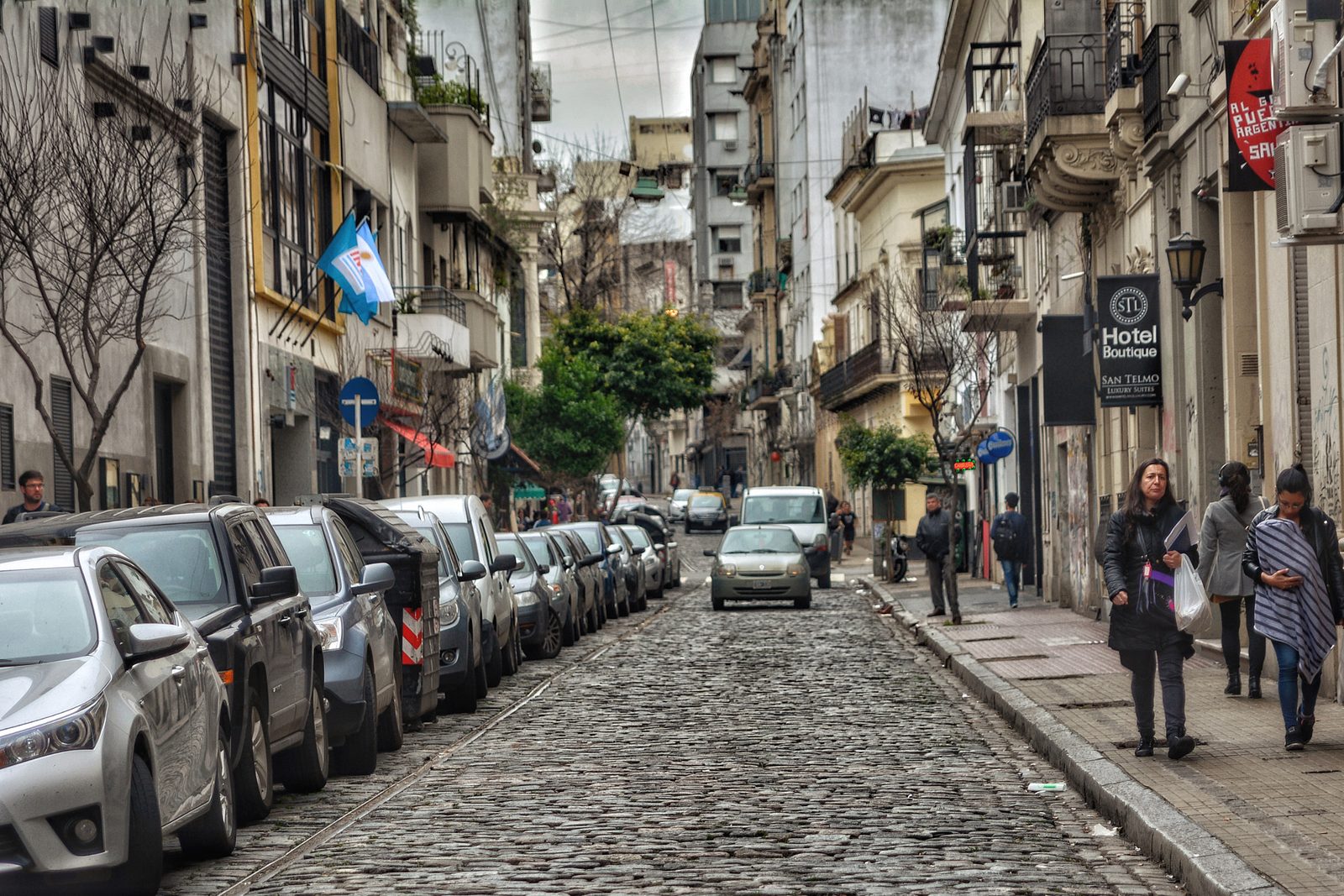
Buenos Aires has European style avenues and cobbled San Telmo lanes, with tango and cafe life on the street, and people used to being photographed.
- Spots
- 7
- Best time
- Spring (October to November) and autumn (March to May)
- Lens
- 18mm
- Photographing people
- Strict: ask first
Buenos Aires is good for street photography because its grand European style streets are full of everyday Argentine life, from tango in the plazas to crowds on Florida. Ugo Cei, who photographed the city with a single 18mm lens, calls the Microcentro a perfect environment, with dramatic late afternoon light between tall buildings. He also found locals used to being photographed.
The city is big, so pick neighborhoods. San Telmo and La Boca are the classic pair, and I'd add Microcentro for light and Recoleta Cemetery for a quiet, strange afternoon. Keep your camera strapped on. Snatch theft happens, especially in La Boca. Go on a Sunday for the San Telmo fair, and on a weekday for empty cobbled lanes.
Best street photography spots in Buenos Aires
San Telmo & Plaza Dorrego
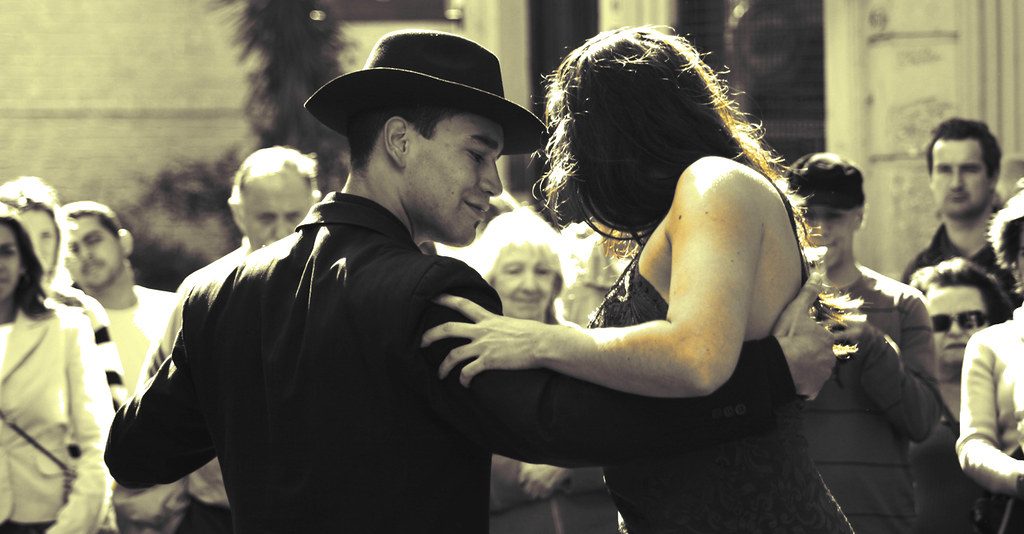
San Telmo is the oldest neighborhood in Buenos Aires, with colonial and nineteenth century buildings along cobbled streets. On Sundays a huge street fair runs along Defensa to Plaza Dorrego, with antique stalls and tango dancers in the square. Ugo Cei prefers weekdays, when the lanes are quiet and atmospheric. I'd do both. On Sunday, work the crowd and the dancers. On a weekday afternoon, look for low light down the narrow streets and a single figure crossing. Tango couples in the plaza perform for tips, so put money in the hat if you photograph them.
Mercado de San Telmo
The San Telmo market opened in 1897 under an iron and glass roof. Today it mixes old fruit and butcher stalls with food counters and antique sellers. Nicholas Tinelli recommends it for its food stands and antique shops. The roof gives soft, even light, good for faces and hands at work. Look for an old stallholder among his objects, framed by the ironwork. Ask before close portraits. Sellers are working, and many are open to a chat first, especially if you buy something.
Caminito, La Boca
Caminito is a short street of brightly painted tin and wood houses in La Boca, the old port district. It is very touristy, with dancers and figures posing for paid photos. Ugo Cei found the warm evening light on the facades magical and the area less touristy just outside Caminito. Nicholas Tinelli warns it is not the safest area and advises staying in the tourist zone. I'd come by day, shoot the color and the people looking at it, and leave before dark. Keep the camera strapped to you.
Florida & Microcentro
Microcentro is the business district east of Avenida 9 de Julio, and Florida is its long pedestrian shopping street. Ugo Cei calls it a perfect environment for street photography. In late afternoon, low sun cuts between the tall buildings and throws strips of light across office workers heading home. Stand at a corner where a shaft of sun hits the pavement and wait for someone to walk into it. Money changers call out on Florida. It is crowded, so keep a hand on your gear.
Plaza de Mayo
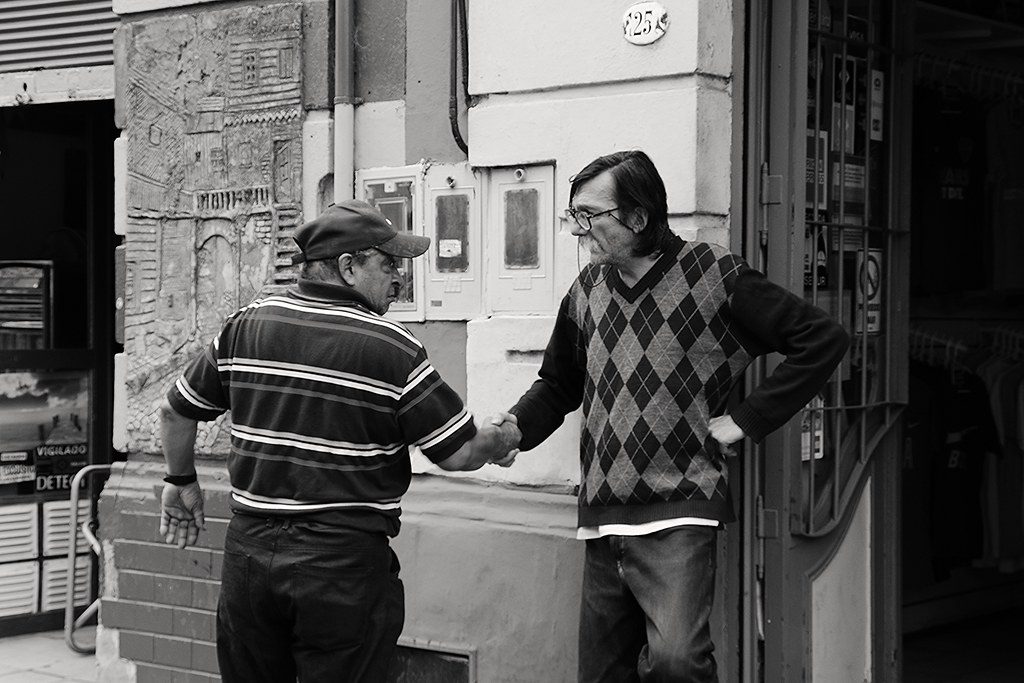
Plaza de Mayo faces the pink Casa Rosada, the presidential palace, and it is where Argentines come to protest and celebrate. The Mothers of Plaza de Mayo, whose children disappeared under the dictatorship, have traditionally marched around the square on Thursday afternoons. Treat that with respect: photograph from a distance, and ask before a close portrait. On other days, look for office workers and protest banners against the palace. Police guard the building, so do not photograph security staff up close.
Recoleta Cemetery
Recoleta Cemetery is a city of marble tombs and statues along narrow lanes, where Eva Peron is buried. Ugo Cei found it full of photo opportunities despite the tourist crowds, especially light and reflections in the glass doors of the tombs. Late afternoon puts long shadows down the lanes. Use visitors as small figures against the monuments, or shoot a reflection that layers a passerby over a tomb interior. There is an entrance fee for foreigners. It is a cemetery, so give mourners space.
Barrio Chino
Buenos Aires' Chinatown is a few blocks on Arribenos in Belgrano, marked by a Chinese arch. Nicholas Tinelli points to its fusion of Asian and Latin culture and the street art near the main street. Weekends are busiest, with shoppers at grocery stores and food stalls. Signs and lanterns over packed shop fronts make layered backgrounds. It is compact, so an hour is enough. Shopkeepers are busy; ask before photographing inside stores.
Photographing people in Buenos Aires
Strict: local law or custom protects people's image. Ask first, or keep faces out of frame.
Argentina's law is stricter on paper than practice suggests. Article 53 of the Civil and Commercial Code says that to capture or reproduce a person's image, in any way, you need their consent. The exceptions are when the person takes part in public acts, when there is an overriding scientific, cultural or educational interest and care is taken to avoid harm, and when the image is part of reporting events of general interest. Crowds and public events fit more easily than a close portrait of one stranger. This is general information, not legal advice.
In practice, street photography is common and tolerated. Ugo Cei found people used to cameras, and some asked where the photos would appear. Tango dancers and costumed performers expect a tip. I'd ask before close portraits and answer questions openly. See is street photography legal.
General information, not legal advice. More in is street photography legal?
What to photograph in Buenos Aires
- Tango. Couples dancing for tips in Plaza Dorrego and Caminito.
- Cafe culture. Old cafes with waiters in jackets and people reading at window tables.
- Light canyons. Shafts of late sun between Microcentro office blocks.
- Protest. Banners and drums around Plaza de Mayo.
- Antiques and collectors. Stalls and sellers at the San Telmo fair and market.
- Paint and tin. La Boca's colored facades as a background for passersby.
- Marble. Statues and reflections in Recoleta Cemetery.
A one-day photo walk
- 10:00 Sunday, San Telmo and Plaza Dorrego. Walk Defensa through the fair. About 2 hours.
- 12:00, Mercado de San Telmo. One block away. Lunch at a counter.
- 13:30, Caminito, La Boca. Taxi or ride hailing, about 10 minutes. Stay in the main area. About 1.5 hours.
- 15:30, Plaza de Mayo. Taxi back, about 15 minutes, or walk north up Defensa from San Telmo in 25 minutes.
- 16:30, Florida and Microcentro. A 10 minute walk. Late light between the towers. Offices are closed on Sundays, so repeat this leg on a weekday for commuters.
- 18:00, Recoleta Cemetery. Taxi, 15 minutes. Check the closing time before you go.
When to shoot
Spring (October to November) and autumn (March to May). Late afternoon for low light through the streets. Sundays for the San Telmo fair.
The light
Clear, low sun in late afternoon cuts dramatic light and shadow down narrow streets between tall buildings. Summer midday is hot and flat.
What to bring
A wide or normal prime; Ugo Cei shot the city with one 18mm lens. Use a strong strap.
Safety
Moderate. Camera snatching happens, especially in La Boca away from Caminito and around busy transport hubs. Keep a strap on and stay in central neighborhoods by day.
Tips for Buenos Aires
- Sundays: the San Telmo fair along Defensa is the big weekly event. Go early for space, later for crowds.
- Season: October to November and March to May. Summer (December to February) is hot, and many locals leave the city in January.
- Lens: Ugo Cei used one 18mm lens and liked the constraint. A 28mm or 35mm works well too. See best lens for street photography.
- Security: use a strap wrapped around your wrist. Ugo Cei advises holding on tight so it cannot be snatched.
- Late light: the best hour in Microcentro is late afternoon, when sun slices between buildings. Expose for the lit patch. More in street photography settings.
- Tips for performers: tango dancers and living statues expect money if you photograph them.
- Avoid: the villas (informal settlements) on the outskirts, unless with a trusted local.
Frequently asked questions
Is street photography legal in Buenos Aires?
STRICT on paper. Article 53 of the Civil and Commercial Code says consent is needed to capture or reproduce a person's image, with exceptions for people taking part in public acts, cultural interest and news. Street photography is common in practice. Ask before close portraits; tango performers expect a tip.
Where are the best street photography spots in Buenos Aires?
Start with San Telmo & Plaza Dorrego, Mercado de San Telmo, Caminito, La Boca, Florida & Microcentro. Cobbled old quarter. The Sunday fair runs along Defensa to Plaza Dorrego, with tango in the square.
When is the best time for street photography in Buenos Aires?
Spring (October to November) and autumn (March to May). Late afternoon for low light through the streets. Sundays for the San Telmo fair.
What lens should I bring to Buenos Aires?
A wide or normal prime; Ugo Cei shot the city with one 18mm lens. Use a strong strap.
Is Buenos Aires safe for street photographers?
Moderate. Camera snatching happens, especially in La Boca away from Caminito and around busy transport hubs. Keep a strap on and stay in central neighborhoods by day.
More street photography cities
- Rio de JaneiroBrazil
- BogotaColombia
- HavanaCuba
- MiamiUnited States