
Street Photography in Havana
Frozen-in-time streets, social street life and some of the most photo-friendly people in the world.
- Spots
- 6
- Best time
- November to April
- Lens
- 23mm or 35mm
- Photographing people
- Generally allowed
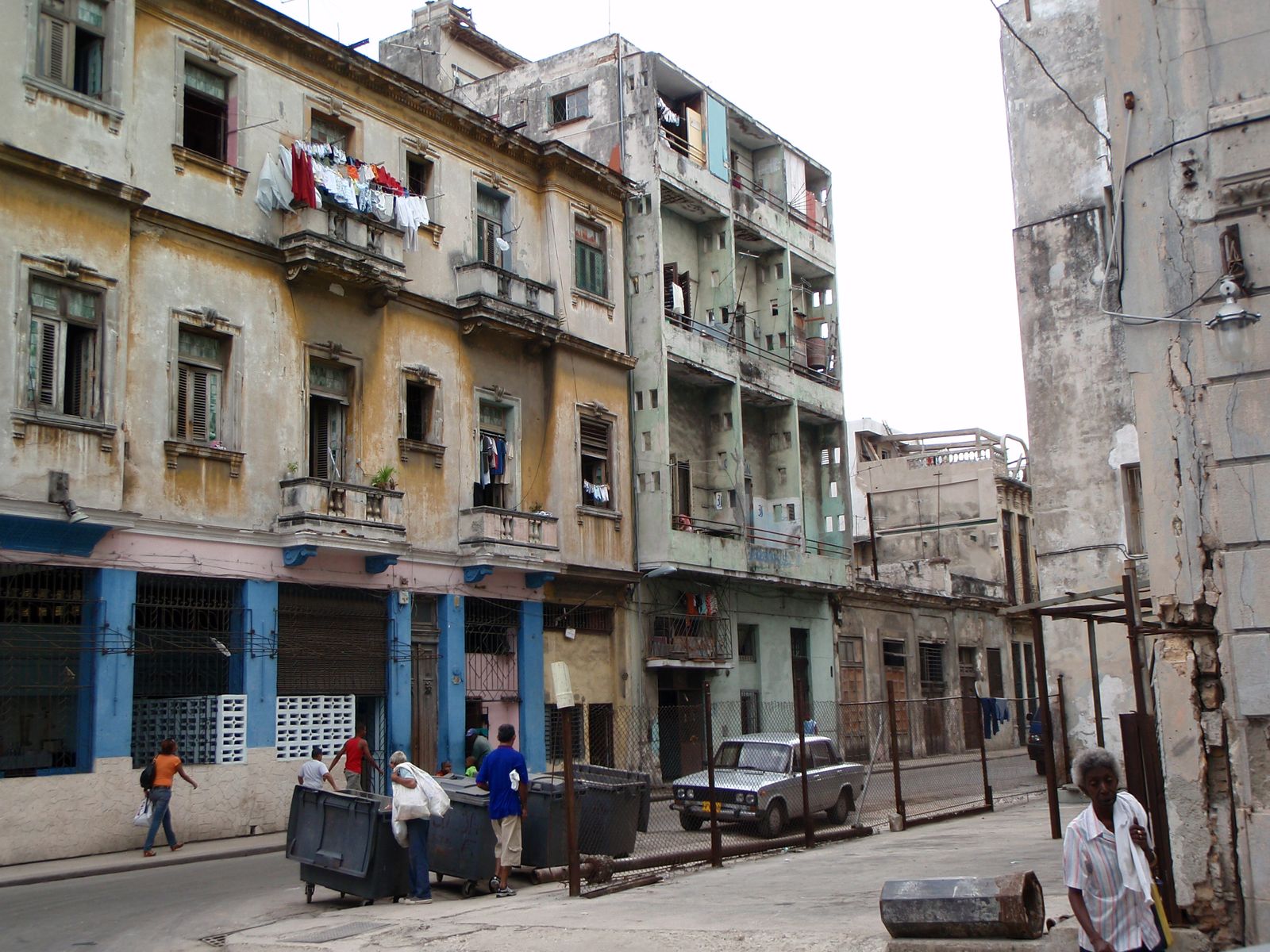
Havana is one of the best cities in the world for street photography because life happens outside, on doorsteps and sidewalks, and most people don't mind a camera. F.D. Walker of Shooter Files scores people's reactions a 9 out of 10 and calls the city better in person than in pictures. Colored facades bounce warm light onto faces, and there are almost no billboards or chain stores in the frame.
The risk is cliché. Old cars and cigars have been shot to death, so look for the people and the moments around them. I'd spend most of my time outside the tourist core, in Centro and along the Malecón.
Check conditions before you book. In 2026 the Australian government advises travelers to reconsider travel to Cuba because of fuel shortages and nationwide blackouts, and Visa and Mastercard cards stopped working in June. If you go, bring cash and plan for power cuts.
Best street photography spots in Havana
Habana Vieja
Old Havana is a UNESCO World Heritage Site packed with colonial squares and cobbled lanes. It is also where most visitors go. Walk it in the morning, when light is soft and the streets are calm. Obispo Street and the main plazas are busiest. Matt, of Street with Matt, found the southern part of the old town, around Calle Habana, just as beautiful with far fewer tourists. Frame people in doorways and under balconies, with a colored wall behind them. Caution: women dressed up with big cigars and Fidel look-alikes pose for money. Pay if you shoot them.
Malecon
The Malecón is a seawall and road that runs for miles along the coast, from Old Havana west to Vedado. In the afternoon and at sunset it fills with fishermen, couples, musicians and friends sitting on the wall. Warm light hits their faces from the west. Shoot along the wall for layers of people, or put the crumbling facades behind a figure. In winter, cold fronts can throw waves over the wall, with kids dodging the spray. Caution: sit on the wall with locals at sunset, but keep your camera strap on near the water.
Centro Habana
Centro starts just behind the Capitolio and is the most densely populated part of the city. It has the same old buildings as Habana Vieja, with less polish and far fewer tourists. Doors stay open, and neighbors talk from balcony to street. Matt picks out Calle Lagunas and Calle Animas, just inland from the Malecón, as his favorite streets. Barrio Chino is nearby too. Mid morning and late afternoon give the best light down the narrow streets. Caution: people here are more alert to cameras, so shoot quickly or say hello first.
Vedado
Vedado lies west of Centro and was the playground of the 1950s casino era. It feels more affluent, with wide, tree lined avenues. Walk Calle 23, known as La Rampa, down toward the Hotel Nacional. Avenida de los Presidentes has benches and a strip of park where young people gather in the evening. Afternoon light through the trees is soft. Frame a classic car against a modernist building, or catch the evening crowd on the avenue. Caution: stay on lit main streets during blackouts, when whole blocks go dark.
Plaza de la Revolucion
The square itself is a big, empty grey space. The famous steel outlines of Che Guevara and Camilo Cienfuegos cover two government buildings, and the José Martí memorial tower stands opposite. It comes alive for big events such as the May Day rally. On normal days the better work is in the streets nearby and around Estadio Latinoamericano, the baseball stadium, when there is a game. Shoot the square wide to show a lone figure against the scale. Caution: these are government buildings. Don't photograph guards or police, and move on if asked.
Regla (ferry across the bay)
A short ferry from Old Havana takes you across the bay to Regla, a quiet working town known for Santería. The ferry itself is the first subject, with commuters and their bikes packed on deck. In Regla the streets are calmer, with a blue collar feel and few tourists. The church of the Virgin of Regla sits near the dock and draws worshippers dressed in white. Go in the morning. Caution: it is illegal to photograph harbours in Cuba, so point the camera at people on the deck, not at the port. Expect a bag check before boarding.
Photographing people in Havana
I could not find a Cuban rule that requires consent for candid photos of people in public. The clear legal lines are about places. Australia's official travel advice says it is illegal to photograph military or police sites, harbours, and rail and airport facilities. Keep your camera away from police and state buildings.
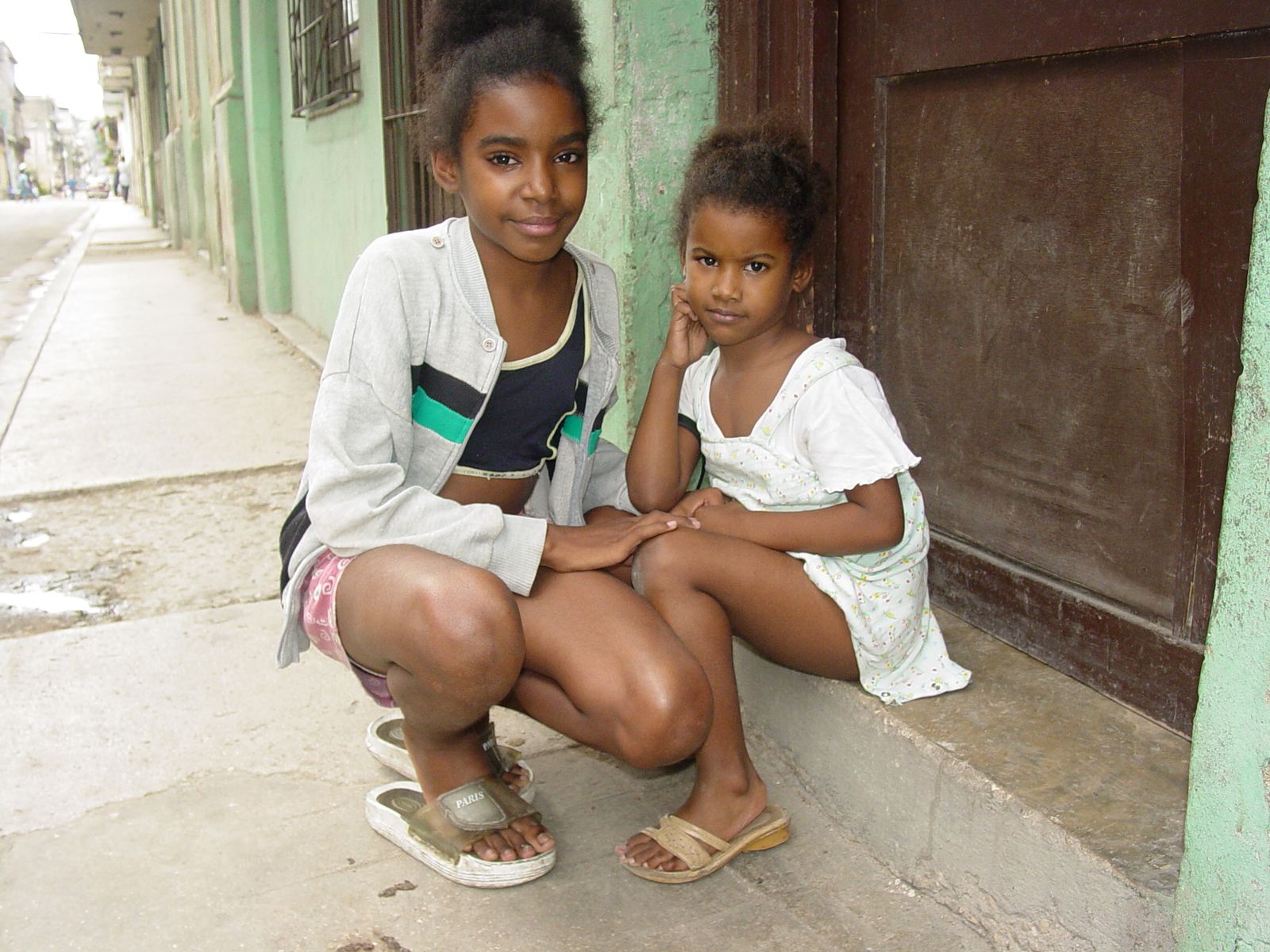
People are the reason to come. Most Havana residents are open and relaxed about cameras, and many will invite you to talk. Matt found most people went about their business as if he wasn't there, and those who objected said so at once. In tourist areas some people will ask for money after you shoot, so either pay or shoot elsewhere. In Centro people are more alert, so shoot quickly or say hello first. A few words of Spanish help a lot. This is general information, not legal advice. See is street photography legal.
General information, not legal advice. More in is street photography legal?
What to photograph in Havana
- Doorway life. People sitting in open doorways and on steps, talking to neighbors.
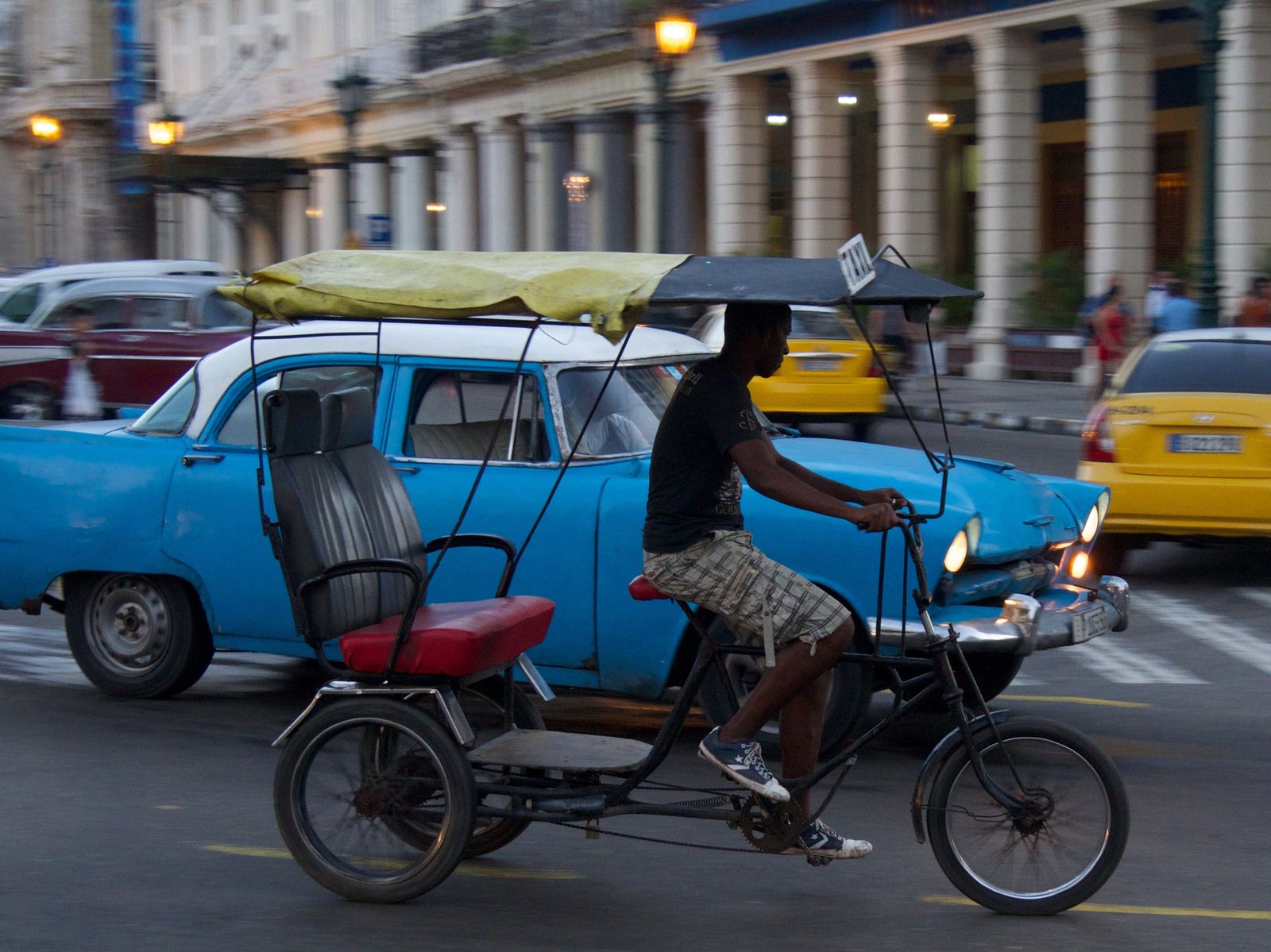
- Old cars as taxis. Shared almendrón taxis packed with passengers, not the polished tourist convertibles.
- The Malecón at sunset. Couples and fishermen along the seawall.
- Color and decay. Pastel walls peeling to bare stone, with laundry on the balconies.
- Street games. Kids playing baseball or football in the street, and men playing dominoes on the sidewalk.
- Santería. Initiates dressed all in white, especially in Regla.
- Light. Warm sun bouncing off colored walls onto faces in the late afternoon.
- Queues. Lines outside shops and bakeries, a daily part of life.
A one-day photo walk
- 7:30am, Habana Vieja. Walk the plazas while they are empty, then head south toward Calle Habana.
- 9:30am, Regla. Take the short ferry across the bay and back. Allow about an hour and a half.
- 12pm, Centro Habana. Walk west past the Capitolio, about 20 minutes, into Centro and Barrio Chino. Rest in the midday heat.
- 3pm, Calle Lagunas and Calle Animas. Work the side streets as the light lowers.
- 5pm, the Malecón. Walk out to the seawall and west along it toward Vedado, about 40 minutes, as the sun drops.
- Sunset, Vedado. Finish at the Hotel Nacional end of the Malecón, then walk up La Rampa into the evening crowd.
When to shoot
November to April. Morning and evening for light and calmer energy.
The light
Tropical sun bouncing off colored facades; golden sunsets on the Malecon.
What to bring
23mm to 35mm equivalent; bring spares, supplies are scarce.
Safety
Check your government's travel advice before going: in 2026 Cuba has fuel shortages and blackouts, and Visa and Mastercard no longer work there. Photographing military or police sites, harbours, railways and airports is illegal.
Tips for Havana
- Use a 23mm to 35mm equivalent. Matt shot his whole trip on a Fuji 23mm f/2. See best lens for street photography.
- Bring spare batteries and memory cards. You can't buy them in Havana, and blackouts make charging unreliable.
- Come between November and April, when it is drier and cooler. Summer is humid and falls in hurricane season.
- Shoot mornings and late afternoons. Midday sun is hard and the heat is heavy. More in street photography settings.
- Bring cash in euros. International cards no longer work, and changing US dollars costs more.
- Download offline maps before you arrive. Internet access is limited.
- Ride a shared almendrón taxi. It is cheap, and the passengers are great subjects.
- Count your change and watch for petty theft, which rises during power cuts.
Frequently asked questions
Is street photography legal in Havana?
Permissive and friendly (Shooter Files people score 9/10). Some will ask for money in tourist areas. Do not photograph police, military or state buildings.
Where are the best street photography spots in Havana?
Start with Habana Vieja, Malecon, Centro Habana, Vedado. Morning walks in the old city.
When is the best time for street photography in Havana?
November to April. Morning and evening for light and calmer energy.
What lens should I bring to Havana?
23mm to 35mm equivalent; bring spares, supplies are scarce.
Is Havana safe for street photographers?
Check your government's travel advice before going: in 2026 Cuba has fuel shortages and blackouts, and Visa and Mastercard no longer work there. Photographing military or police sites, harbours, railways and airports is illegal.
More street photography cities
- MiamiUnited States
- TampaUnited States
- OrlandoUnited States
- New OrleansUnited States
Further reading: the Inspired Eye guide to Havana.