
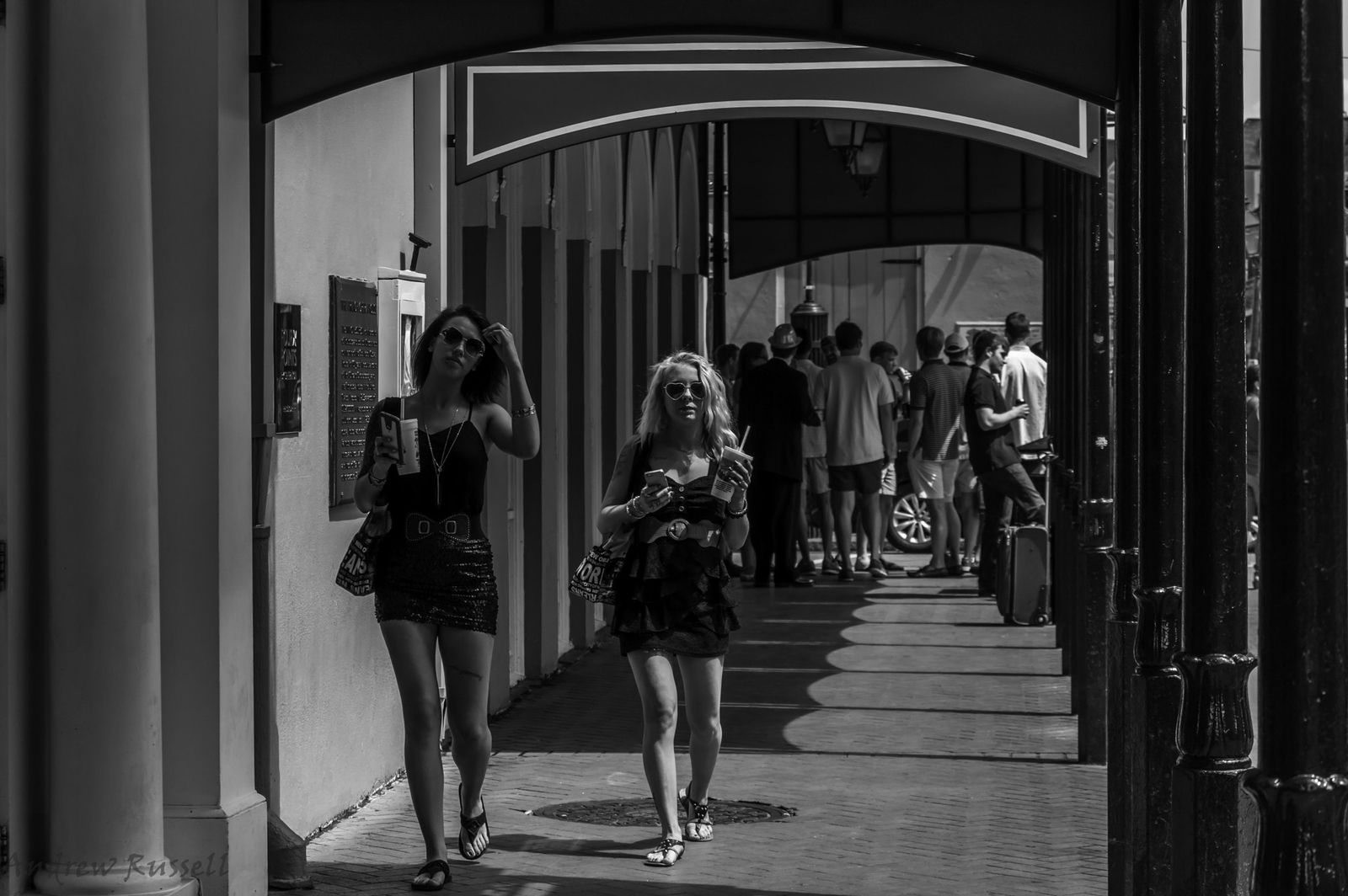
Street Photography in New Orleans
Parades, brass bands and colorful facades: a city that lives on the street and welcomes cameras.
- Spots
- 6
- Best time
- Mardi Gras season (January to Carnival), Jazz Fest (late April to May), second line season (autumn to spring)
- Lens
- 35mm or 50mm
- Photographing people
- Generally allowed
New Orleans is one of the best US cities for street photography because its culture happens outdoors, in public, with music attached. Brass bands parade through neighborhoods most Sundays for much of the year, and whole blocks dress up for Carnival. Eric Kim, who has run workshops here, calls the people warm and insanely friendly and rates the city above Paris.
You also get color everywhere. Pink facades under iron balconies give you backdrops on every block of the French Quarter. The humid air softens the light, and painted walls bounce color back onto faces.
Timing matters more here than in most cities. I'd plan a trip around Carnival or a Sunday second line rather than a random weekend. Stay on busy streets at night, and treat the parades as someone else's event that you are lucky to join.
Robert Frank made his famous trolley picture here for The Americans in 1955, and Bruce Gilden photographed Mardi Gras here.
Best street photography spots in New Orleans
French Quarter (Royal St, Bourbon St)
Royal Street is the daytime street. Parts of it close to cars during the day, and buskers set up in the road. Bourbon Street is the night street, with neon signs and drinkers holding novelty cups. Walk Royal and Chartres early for empty balconies and soft light on painted walls. Come back to Bourbon after dark and shoot up at the balconies, with people leaning over the rails. Caution: musicians expect a tip if you stop and shoot them, and Bourbon gets rowdy late at night.
Frenchmen Street
Frenchmen Street in the Marigny is where locals go for live music. Bands play in small clubs with the doors open, and the sound and the crowd spill onto the sidewalk. Street bands often play on the corners. Come after 8pm. The light is from club signs and doorways, so shoot a fast 35mm wide open and push the ISO. Stand across the street from an open door and frame the band inside with the sidewalk crowd in front. The night art market nearby adds lit stalls. Caution: tip the band if you shoot them for long.
Jackson Square
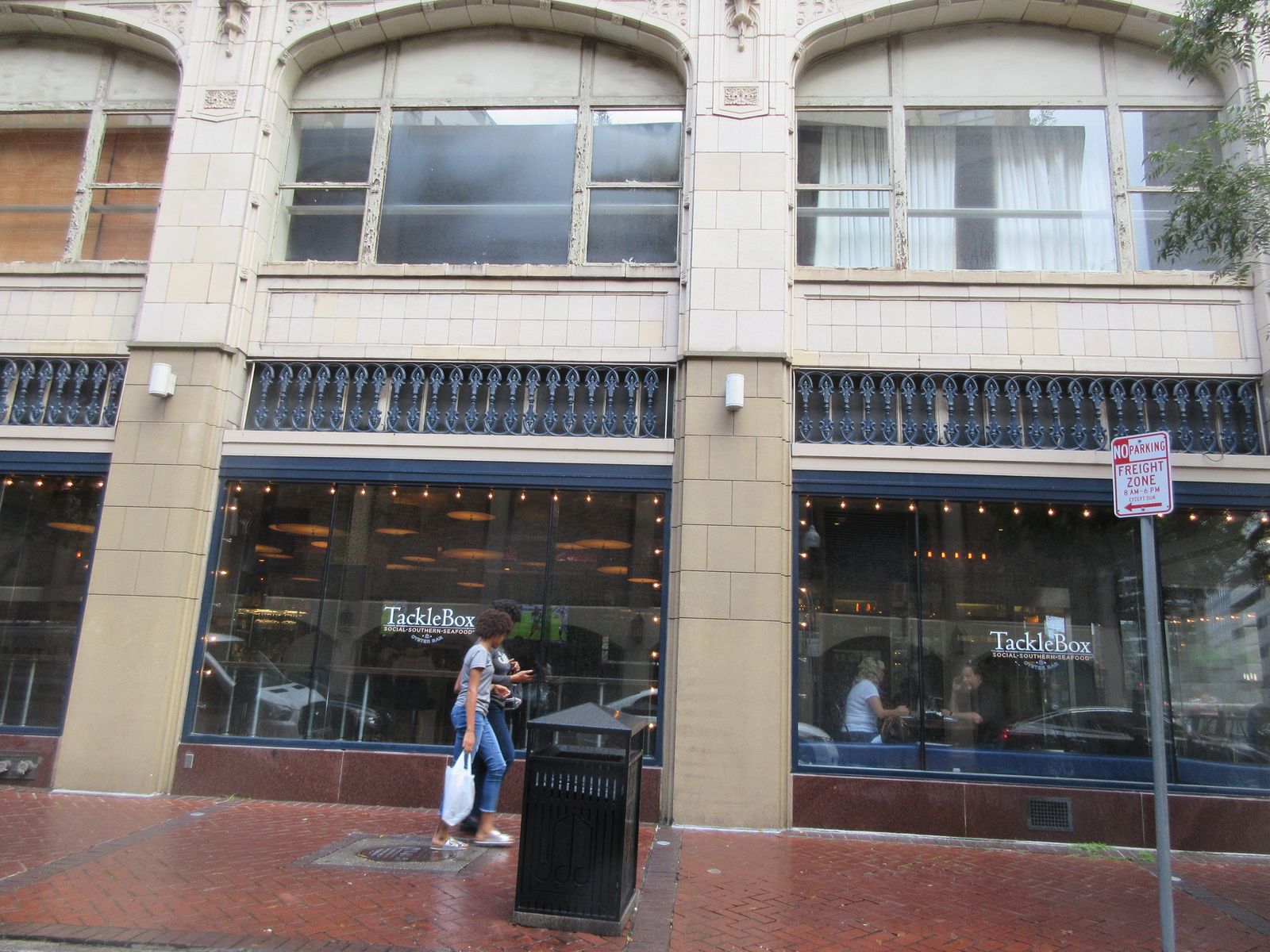
Painters hang their work on the square's iron fence, and tarot readers set up folding tables. St. Louis Cathedral sits behind it all. Sunrise gives you an empty square with soft light on the cathedral. Midday gives you the characters. Stand back and use the cathedral as a pale backdrop behind a performer, or frame a tarot reading tight across the table. Cafe Du Monde is across Decatur Street for beignet crowds and powdered sugar. Caution: ask before shooting a reader's client close up.
Magazine Street
Magazine Street runs for miles through Uptown, lined with small shops and old houses. On a normal day it is a calm neighborhood street with colorful storefronts and porch life. On parade days it changes completely. The Irish Channel St. Patrick's parade in March uses it, and crowds pack the sidewalks. Shoot from the curb as floats and marchers pass, with the crowd reaching up in the foreground. The Garden District is a short walk away for more color. Caution: parade crowds are dense, so keep the camera strapped on.
Canal Street
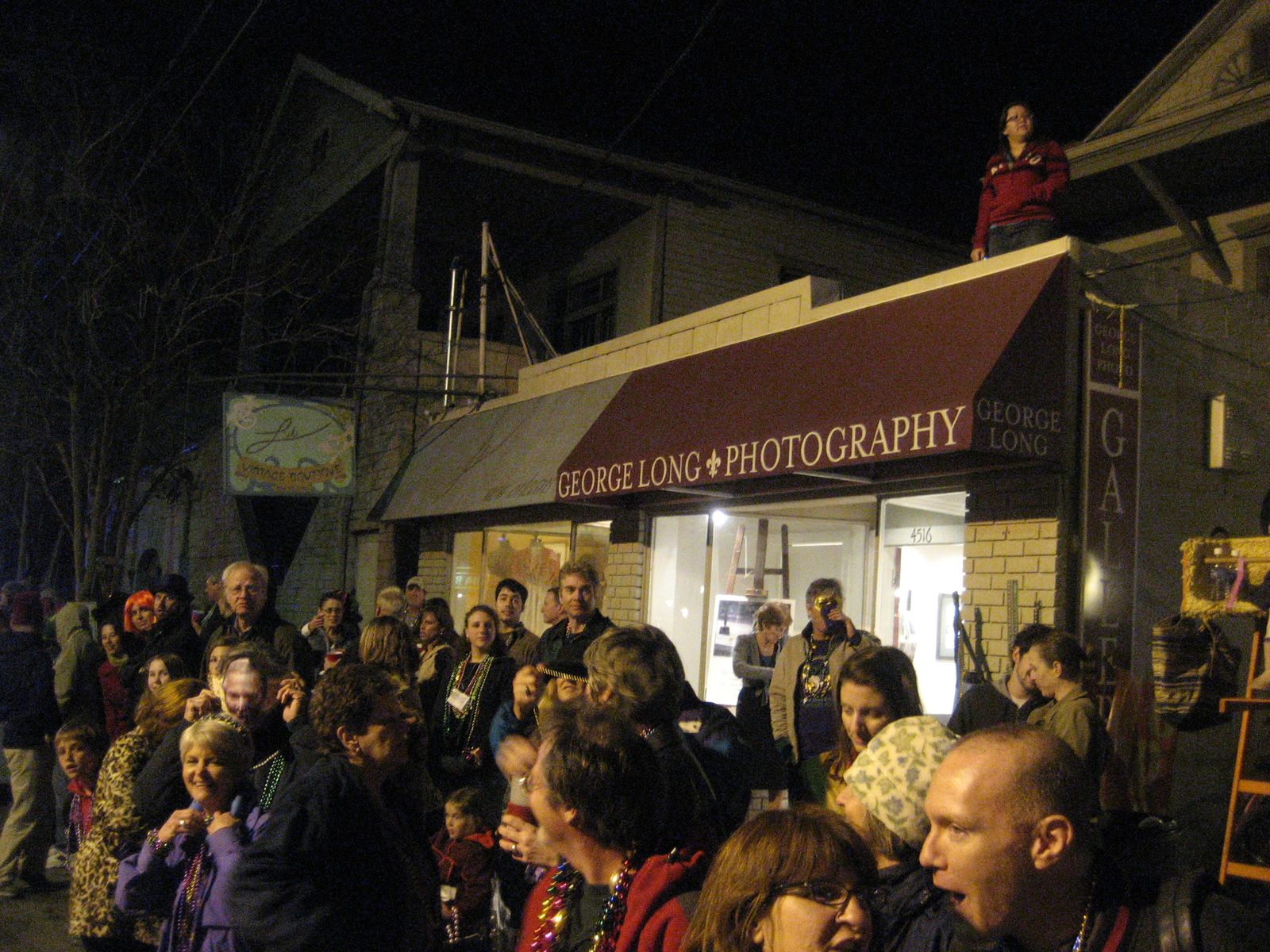
Canal is the wide main street between the French Quarter and the business district. Red streetcars run down the middle, and bus stops and hotel doors keep people moving. Eric Kim's workshops spend most of their time here. The street is wide, so light floods it in the afternoon. Try framing a rider in a streetcar window, or catch pedestrians crossing in front of the red cars. Carnival parades reach Canal too, so it fills up during the season. Caution: some blocks are rough after dark, so stay near the busy stretch.
Treme & second line parades
Treme is one of the oldest Black neighborhoods in America and a heart of the second line. Social aid and pleasure clubs parade most Sundays for much of the year, with a brass band and hundreds of followers. Members wear matching suits with fans and parasols. Routes are published in advance. Shoot the dancers in the second line, not just the club members. Bruce Sunpie Barnes of the Black Men of Labor puts it simply: get your shot and get out of the way. Caution: never cross the rope lines around the club.
Photographing people in New Orleans
In the United States you can photograph people and anything plainly visible from a public place, and Louisiana is no different. Parades and festivals are public events, and most people expect cameras. Commercial use of a recognizable person is a different matter. Mardi Gras Indian suits can even be copyrighted as sculpture, so selling photos of them raises its own issues.
Locals are generally friendly and used to cameras. The unwritten rules matter more than the law. Musicians play for tips, so drop a few dollars if you shoot them. At second lines, stay out of the band's path and never step inside the rope. Long time second line photographers give prints back to the clubs, and that is how they earn access. Akasha Rabut has gone to parades and not taken a single frame when the moment was wrong. This is general information, not legal advice. See is street photography legal.
General information, not legal advice. More in is street photography legal?
What to photograph in New Orleans
- Brass bands. Horn players mid note, often in the street with dancers around them.
- Second liners. Dancers with umbrellas and handkerchiefs following the band through the neighborhood.
- Balconies. Iron galleries with people leaning over, beads hanging off the rails.
- Carnival. Masked riders on floats, and crowds reaching up for their throws.
- Color. Pink and pastel walls with painted shutters. Look for a figure that matches the wall.
- Streetcars. Riders framed in the windows on Canal Street and St. Charles Avenue.
- Night crowds. Neon on Bourbon Street and faces lit by club doorways on Frenchmen.
- Buskers and readers. Performers and tarot tables around Jackson Square.
A one-day photo walk
- Sunrise, Jackson Square. Shoot the empty square and the cathedral, then early risers at Cafe Du Monde.
- 9am, Royal and Chartres Streets. Walk the French Quarter while balconies are empty and the light is soft.
- 11am, Royal Street. Stay on Royal as buskers set up, then cut across to Canal Street, about 10 minutes.
- 1pm, Treme. On a Sunday in season, walk about 15 minutes north to meet the second line on its published route. Otherwise ride the Canal streetcar and shoot the riders.
- 5pm, Bourbon Street. Walk back into the Quarter as the neon comes on.
- 8pm, Frenchmen Street. Walk about 15 minutes east through the Quarter to the Marigny for bands and sidewalk crowds.
When to shoot
Mardi Gras season (January to Carnival), Jazz Fest (late April to May), second line season (autumn to spring).
The light
Humid, soft light; pastel walls bounce color.
What to bring
35mm; 50mm for detail; flash for parades at night.
Safety
Stay on busy streets at night; avoid empty blocks away from the Quarter.
Tips for New Orleans
- Carnival season runs from January 6 to Mardi Gras day, which falls in February or early March. The biggest parades are in the final two weeks.
- Jazz Fest runs over two weekends from late April into early May. Clubs parade there too.
- Second line season runs most of the year with breaks around Mardi Gras and the hottest summer weeks. Check the weekly schedule before you go.
- Use a 35mm for parades and a 50mm for detail. See best lens for street photography.
- At night parades, a small flash helps freeze dancers and horn players. More in street photography settings.
- Bring small bills to tip musicians.
- Summer is hot and humid. Lenses fog when you step out of air conditioning, so let the camera warm up in your bag first.
- Stay on busy, lit streets at night and avoid empty blocks away from the Quarter.
Frequently asked questions
Is street photography legal in New Orleans?
Permissive. Legal to photograph in public; musicians appreciate tips when you shoot them.
Where are the best street photography spots in New Orleans?
Start with French Quarter (Royal St, Bourbon St), Frenchmen Street, Jackson Square, Magazine Street. Musicians, balconies and night crowds.
When is the best time for street photography in New Orleans?
Mardi Gras season (January to Carnival), Jazz Fest (late April to May), second line season (autumn to spring).
What lens should I bring to New Orleans?
35mm; 50mm for detail; flash for parades at night.
Is New Orleans safe for street photographers?
Stay on busy streets at night; avoid empty blocks away from the Quarter.