
Street Photography in Mexico City
Big-city energy, markets and color, with Shooter Files comparing it to New York street photography 20 years ago.
- Spots
- 8
- Best time
- October to April (dry season)
- Lens
- 28mm or 35mm
- Photographing people
- Generally allowed
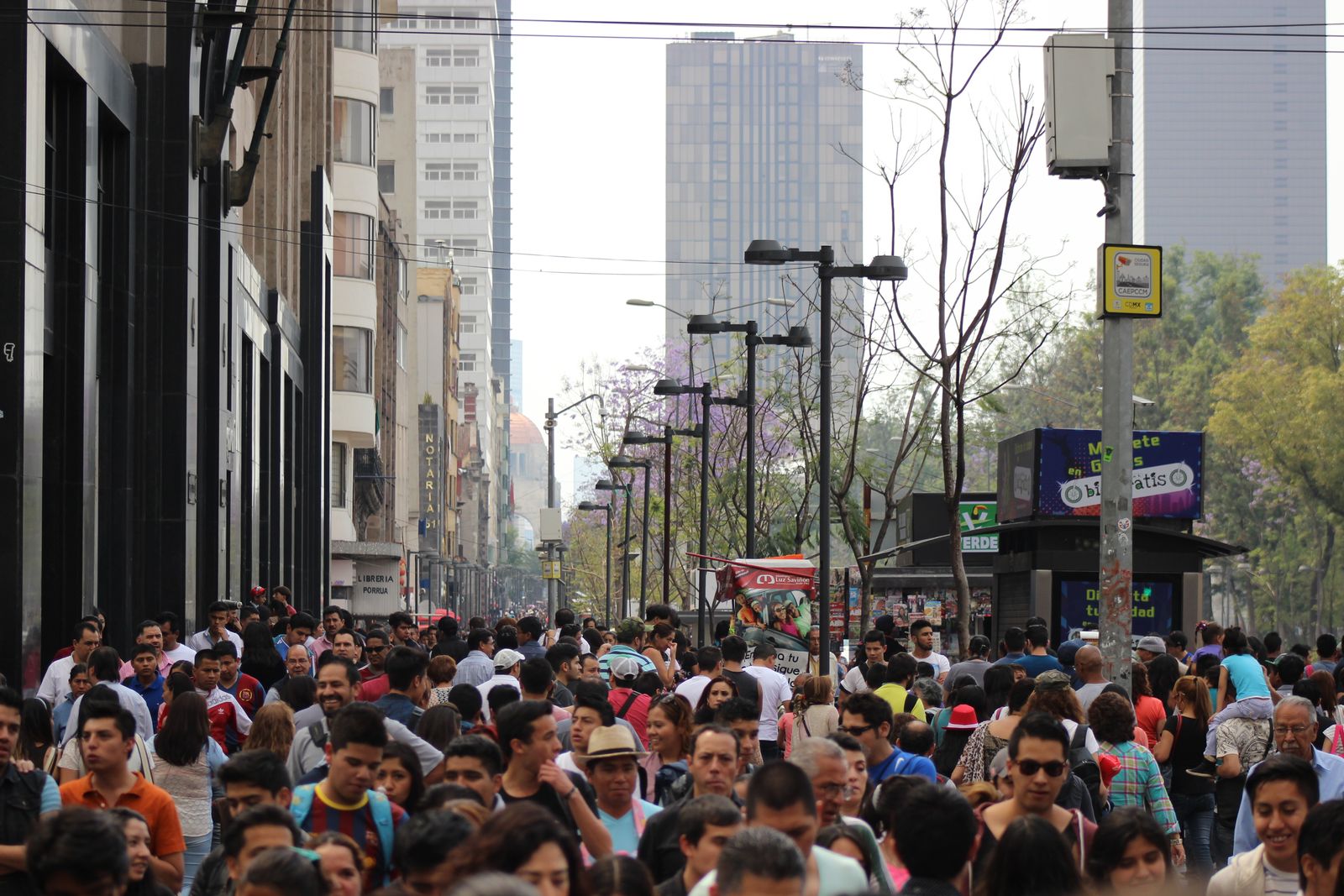
Mexico City is one of the best big cities in the world for street photography because it has the density of New York with far more happening on the sidewalk: vendors, processions, protests, mariachis, shoe shiners and families out in the plazas. F.D. Walker of Shooter Files was told by several photographers that it feels like New York 20 or 30 years ago, and Alex Coghe calls it one of the most visually dense places on the planet.
It rewards planning. The Centro Histórico is the engine, busy and relatively safe by day. The edges, like La Merced and Tepito, are raw and need care. At 2,240 m the sun is hard at midday, so I'd work the Centro in the morning and late afternoon, and save the plazas for evening.
You walk in good company. Helen Levitt photographed these streets in 1941, and Alex Webb has come back to Mexico for decades.
Best street photography spots in Mexico City
Centro Historico & Alameda
Alameda Central was F.D. Walker's favorite park in the city for the sheer variety of life in it. It borders the Palacio de Bellas Artes, and the streets around it are some of the busiest in Centro. Alex Coghe suggests layered scenes of vendors and pedestrians, and religious symbols against daily life. Come in the late afternoon when the trees break the light into patches. Sit on a bench facing a path and let people walk through the light. After dark, some streets empty quickly, so head out while it's busy.
Zocalo & Avenida Madero
Avenida Madero is a pedestrian street that runs from the Torre Latinoamericana to the Zócalo, one of the biggest public squares in the world. Madero is a river of people all day, with organ grinders and window shoppers. The Zócalo hosts concerts and protests, so check what's on. F.D. Walker found the square itself touristy and preferred the streets around it. Stand at the Zócalo end of Madero in the late afternoon and shoot back up the street as the light comes in low. Pickpockets work the crowds here in teams, so keep your phone and wallet in front pockets.
Plaza Garibaldi
Plaza Garibaldi is where mariachi bands in full charro suits wait to be hired, and it comes alive at night. F.D. Walker liked it for its edge and its mariachi atmosphere. You'll find musicians negotiating with customers and playing in circles around them. Come from dusk to about 22:00, and use the plaza lights and bar signs as your light source. A composition idea: shoot a band from behind, with the customers' faces lit in front of them. Musicians expect to be paid for a song, not for a candid, but ask before a posed portrait. Take a rideshare in and out at night.
Mercado de la Merced
La Merced is one of the largest markets in the city, a sprawl of halls and street stalls selling produce and just about everything else. Alex Coghe rates the Merced and Tepito edges as high risk: visually incredible but ethically complex, with pickpocketing in the crowds. Go in the morning, when trade is heaviest and the light is soft, and go with a local or a photo guide if it's your first time. Work the aisles where daylight falls through gaps in the roof. Ask before close portraits of vendors, and carry only what you need.
Roma & Condesa
Roma and Condesa are the calm side of the city: tree-lined streets, Art Deco buildings, cafés and parks. Alex Coghe rates them low risk and suggests them as a base where you can slow down and observe. Parque México is the anchor, with dog walkers leading packs of dogs and people exercising. Come in the morning or late afternoon, when the jacarandas and ficus trees filter the light. It is a good place for longer lenses and patience. Frame a figure under the arches of the park's paths. The scene here is more expat than elsewhere, so mix it with Centro for balance.
Coyoacan
Coyoacán is a colonial neighborhood in the south, with two plazas and the Frida Kahlo museum. Trovatten's photo guide notes it is always packed with people enjoying their free time, which makes it good for street portraits of strangers. Weekends are best, when families, balloon sellers, churro stands and street performers fill the Jardín Centenario. The light is softest in the late afternoon. Stand near the coyote fountain and wait for kids to climb it. Families are the main subject here, so ask a parent before photographing a child up close. The Metro and rideshares both reach it in 30 to 45 minutes from Centro.
Barrio Chino (Calle Dolores)
Mexico City's Chinatown is tiny, about two blocks, centered on the pedestrian Calle Dolores. Half Half Travel points out that it's not very Chinese anymore, but the street is hung with colored umbrellas and lanterns, which makes it a color playground. Come at midday, when the canopy overhead throws colored light and shade onto the people below, or at dusk when the lanterns glow. Stand at one end and shoot down the street, with the canopy as a frame at the top of the picture. It is short and busy, so do a few passes and move on.
Paseo de la Reforma
Reforma is the city's grand avenue, lined with monuments and glass towers. On Sunday mornings from 8:00 to 14:00, it closes to cars for Muévete en Bici, and thousands of cyclists and skaters take over. It is also the usual route for marches heading to the Zócalo. Stand on a median near the Ángel de la Independencia and pan with the cyclists at 1/30 s. On march days, keep to the edges and stay aware. Protests are usually peaceful, but police lines can form quickly. Avoid pointing your camera at the police.
Photographing people in Mexico City
Photographing people in public in Mexico is legal. The law that matters is Article 87 of the Federal Copyright Law, which says a person's portrait can only be used or published with their consent. It makes an exception for someone who is a minor part of a larger scene, or a photo taken in a public place for informational or journalistic purposes. Protect minors. Some places, like the Metro, have their own rules. The law has been under reform, so check the current text before commercial use. This is general information, not legal advice.
In practice, people are open. The Mframes found that people welcome street photography and confrontations are rare. Ask in markets, and always ask in indigenous communities and with indigenous vendors, many of whom prefer not to be photographed. Don't photograph police or soldiers. Keep your kit small and discreet in Centro, and use Uber or Didi rather than street taxis, as Trovatten advises.
General information, not legal advice. More in is street photography legal?
What to photograph in Mexico City
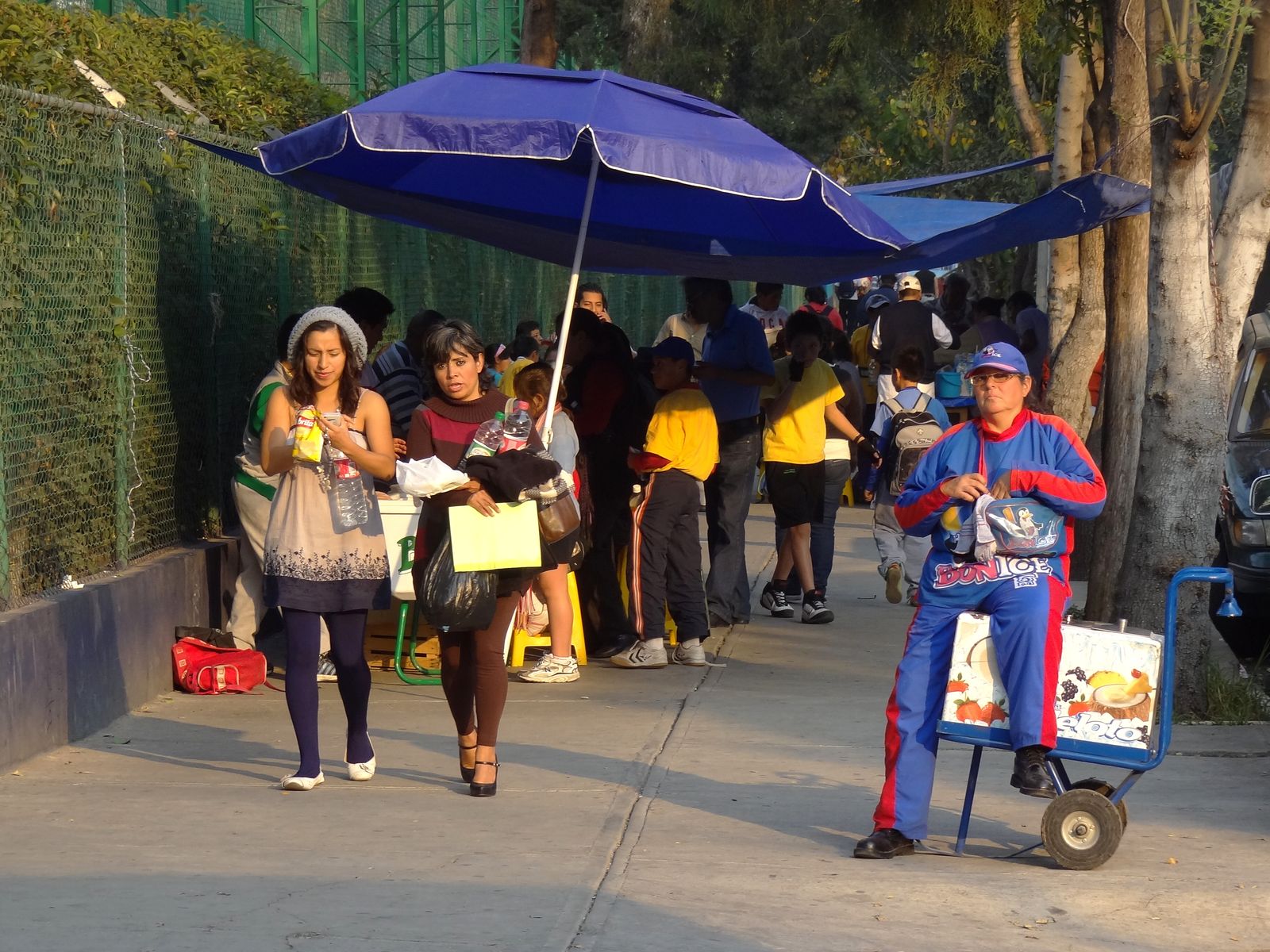
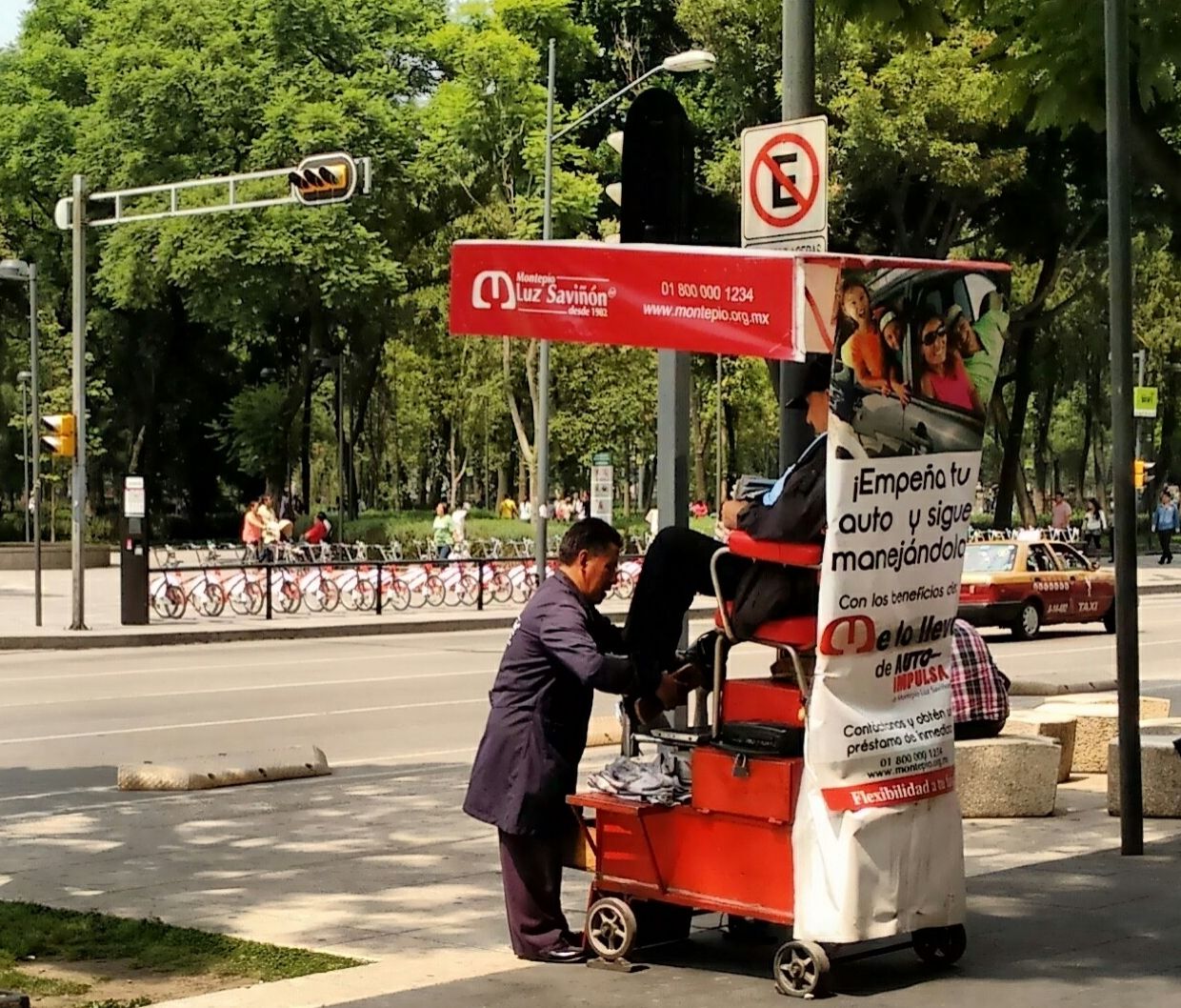
- Vendors. Tamales, elotes, juice carts and shoe shiners on every corner of Centro.
- Faith. Processions and shrines in doorways. Alex Coghe points to religious symbols set against daily life.
- Protests and marches down Reforma and into the Zócalo.
- Music. Mariachis at Garibaldi and organ grinders on Madero.
- Style. The Mframes notes how extravagantly people dress.
- Zona Rosa at night. Alex Coghe finds it quiet by day, then full of neon, bars and characters after dark.
- Color. Painted walls and jacaranda trees blooming purple in spring.
- Day of the Dead. Marigolds and painted faces around the parade in late October or early November.
A one-day photo walk
- 8:30, Mercado de la Merced. Arrive by rideshare with a local if you can. About 90 minutes.
- 10:30, Zócalo and Avenida Madero. Rideshare, about 10 minutes, then walk up Madero.
- 12:30, Barrio Chino. A 10 minute walk west along Madero and across Eje Central. Midday is best for the umbrella canopy.
- 13:30, Alameda Central. A 5 minute walk. Lunch, then the park into late afternoon.
- 18:00, Roma and Condesa. Rideshare, about 20 minutes. Parque México at golden hour.
- 21:00, Plaza Garibaldi. Rideshare, about 20 minutes. Mariachis until you're done, then ride back.
On a Sunday, swap the Merced for Reforma in the morning.
When to shoot
October to April (dry season); Day of the Dead in early November, with bigger crowds.
The light
High-altitude sun: clear and hard; soft at golden hour.
What to bring
28mm or 35mm; keep kit discreet.
Safety
The center is safe by day. Outskirts like Tepito are edgy; go with a local if you go.
Tips for Mexico City
- Season: October to April is dry. From May to October, afternoon storms give you rain and reflections, so shoot mornings.
- Lens: a 28mm or 35mm, with a small body that doesn't draw attention. See best lens for street photography.
- Hard light: at this altitude, midday sun is harsh. Expose for highlights and work shade lines. More in street photography settings.
- Day of the Dead: the Mexico City parade is on a Saturday around 1 November, separate from the day itself on 2 November. Trovatten suggests San Andrés Mixquic for cemeteries.
- Sundays: Reforma closes to cars from 8:00 to 14:00 and Coyoacán is at its busiest.
- Night: Centro empties after dark. Stay in busy streets and ride between neighborhoods.
Frequently asked questions
Is street photography legal in Mexico City?
Permissive. Legal to photograph in public. Ask in markets and in indigenous communities; avoid police and military.
Where are the best street photography spots in Mexico City?
Start with Centro Historico & Alameda, Zocalo & Avenida Madero, Plaza Garibaldi, Mercado de la Merced. Crowds, vendors and colonial streets.
When is the best time for street photography in Mexico City?
October to April (dry season); Day of the Dead in early November, with bigger crowds.
What lens should I bring to Mexico City?
28mm or 35mm; keep kit discreet.
Is Mexico City safe for street photographers?
The center is safe by day. Outskirts like Tepito are edgy; go with a local if you go.
More street photography cities
- AustinUnited States
- HoustonUnited States
- DallasUnited States
- New OrleansUnited States