
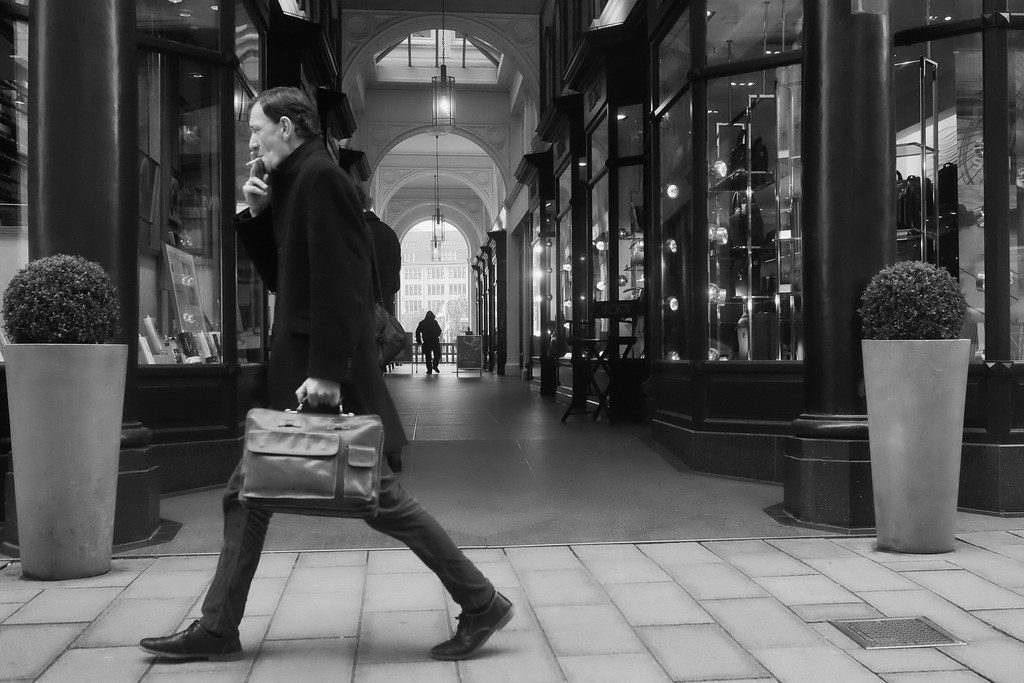
Street Photography in Hamburg
Hamburg is a harbour city of dark brick and water, with a Sunday fish market at dawn and the neon of St. Pauli at night, and its photogenic U-Bahn stations give you strong frames when it rains.
- Spots
- 8
- Best time
- May to early June for long evenings, or September
- Lens
- 35mm or 50mm
- Photographing people
- Strict: ask first
Hamburg is a very good city for street photography because its hard edges work in your favour: dark brick and grey weather give you graphic backdrops, and the port gives the streets a working life. Photographer Aniol Visuals admits the city can look rough at first glance, then calls it one that any street photography lover will enjoy, from its metro to its weekend markets. When Street Hunters walked it with local photographers, they spent nearly ten hours on the streets, and the old Elbe tunnel was one of their best stops.
Most searches for Hamburg street photography come from Germany, so this guide suits someone who lives here as much as a visitor. I'd plan around two extremes. The Sunday fish market starts at dawn, and St. Pauli only wakes up after dark. In between, shelter from the rain in the U-Bahn, where some of the best frames in the city are.
Best street photography spots in Hamburg
Landungsbrücken & Alter Elbtunnel
The Landungsbrücken are Hamburg's floating harbour piers, where commuters and visitors board the ferries. Next to them, the Alter Elbtunnel from 1911 runs under the river, lined with tiles. Aniol Visuals suggests walking a few minutes into the tunnel until the tourists thin out, then shooting the long symmetrical tube with one figure in it. Check behind you for cyclists before you stop. Up top, ride the public Ferry 62 at sunset, as Chasing Hippoz recommends, for passengers against the cranes.
Fischmarkt
The Fischmarkt runs on the Altona waterfront every Sunday morning, from 5am to 9:30am between April and October and from 7am in winter, according to Hamburg Tourism. Chasing Hippoz describes loud vendors and full chaos, and recommends arriving before 8am. The best characters are the market criers and the night owls who come straight from the Reeperbahn. Low winter light from the east lights the stalls. Keep your wallet close in the crush.
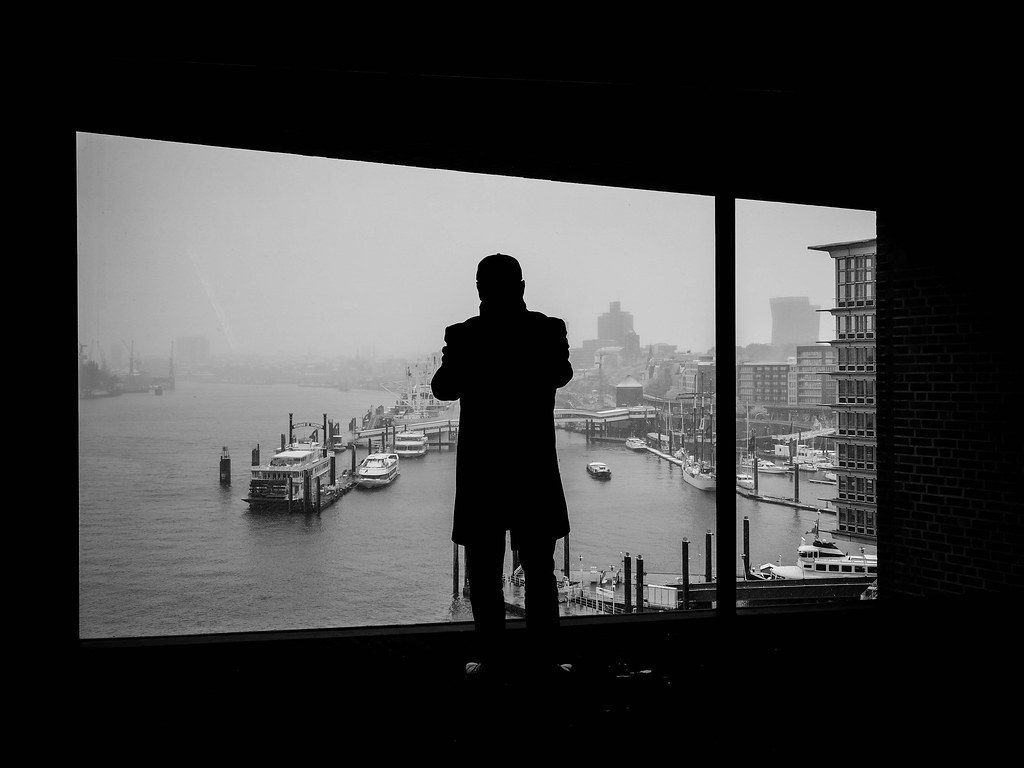
Reeperbahn & St. Pauli
The Reeperbahn is Hamburg's nightlife and red light district. Chasing Hippoz calls it the strongest street photography location in the city after dark, with neon signs and real street character. Use a fast 35mm or 50mm and let the neon light faces. Be careful here: some doormen and sex workers do not want to be photographed, and Herbertstraße, a gated side street, is no place for a camera. Work wide on the main street and don't point a lens into doorways.
Sternschanze (Schulterblatt)
The Schanzenviertel is the city's alternative quarter. Chasing Hippoz says it is dense with murals and paste-ups, and advises walking without a destination and checking courtyards and doorways. Schulterblatt is its main street, lined with cafés whose pavement tables fill on sunny afternoons. Put a passer-by in front of a painted wall rather than shooting the art flat. Late afternoon is the liveliest time, when people come out of work and the bars start to fill. Ask before close portraits.
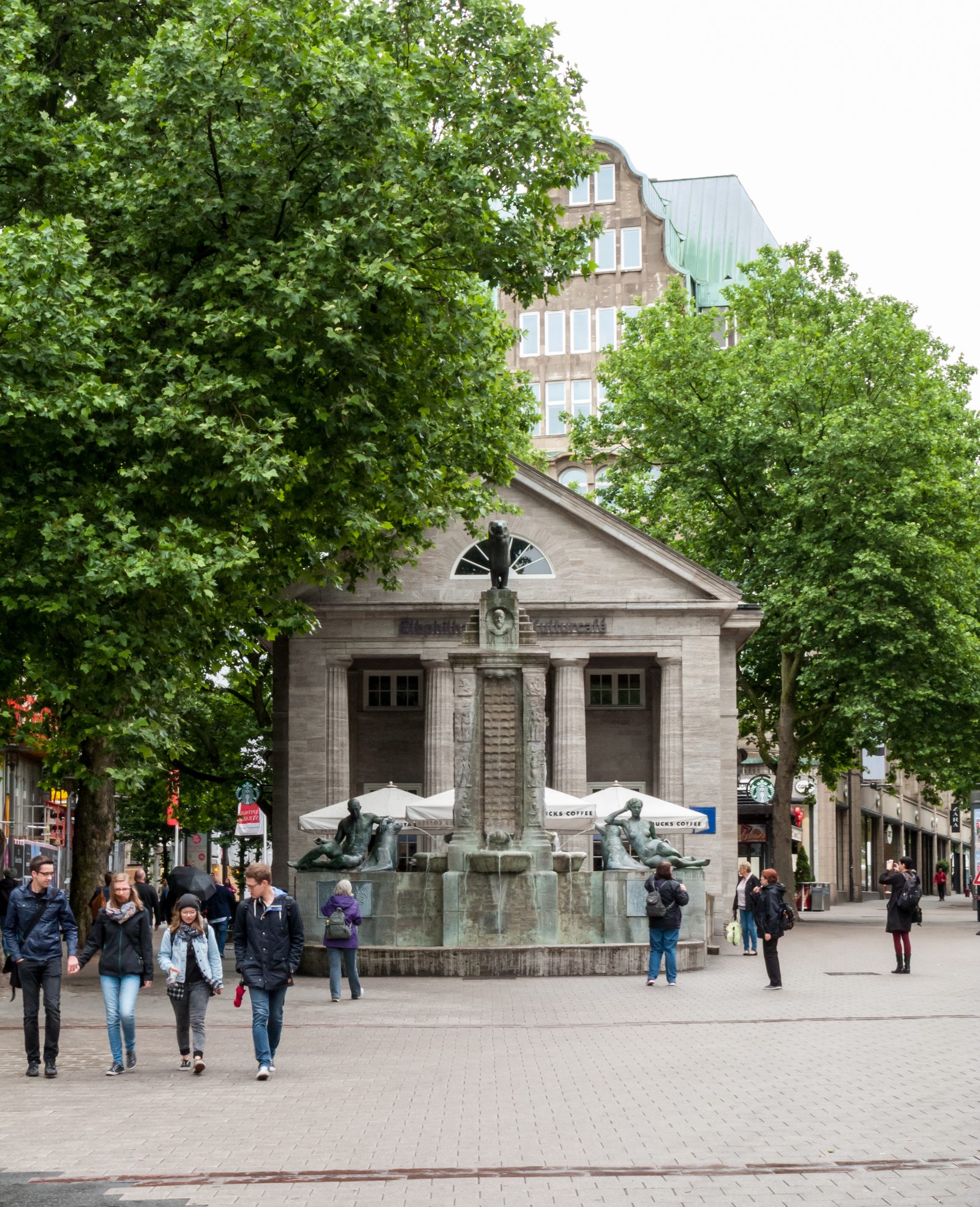
Speicherstadt
The Speicherstadt is a district of red brick warehouses on canals. The famous view is from the bridge towards the Wasserschloss, where the canal splits around a turreted building. Aniol Visuals warns that it is full of people taking the same photo, day and night. For street work, turn that into the subject: photographers lined up on the bridge. Foggy spring mornings and blue hour are the moods to wait for. The cobbled bridges get slippery in rain.
Elbphilharmonie Plaza
The Plaza is a free public viewing platform halfway up the Elbphilharmonie concert hall. Aniol Visuals rates it for people-watching, from the long curved escalator to the terrace, and calls it the best sunset spot in Hamburg. Shoot figures against the glass and the harbour behind. It may close when the wind is too strong. Entry needs a Plaza ticket, and they can run out on busy days.
HafenCity Universität U-Bahn
HafenCity Universität station has rows of light boxes over the platform that change colour. Aniol Visuals calls it the most photographed metro station in Hamburg and his favourite, because the changing light keeps giving you new frames. Wait for a lone passenger on the platform and shoot them as a silhouette against the colour. It is quieter outside rush hour. Stay behind the platform edge line and keep flash off.
Jungfernstieg & Binnenalster
Jungfernstieg is the promenade along the Binnenalster lake in the centre, with the Alster steamers docking below and the Rathaus a short walk away. Its U-Bahn station is very busy, and Aniol Visuals likes its yellow platform dividers, which look like windows. Above ground, shoppers and office workers stream past the lake at lunch. Use the water as a clean background for walkers along the edge. The Christmas markets around the Rathaus fill the area in December.
Photographing people in Hamburg
Strict: local law or custom protects people's image. Ask first, or keep faces out of frame.
Taking photos of people in public is legal in Germany. Publishing them is stricter. Under sections 22 and 23 of the KUG, you generally need consent to publish a photo of an identifiable person. As All About Berlin explains, exceptions include people at a public gathering or parade who are not the focus of the photo, and scenes where people are incidental. Portraits need permission, even at events. This is general information, not legal advice. See is street photography legal.
Many locals are reserved and some will object to a camera, especially in St. Pauli and the Schanze. If someone asks you to delete a photo, do it. For a portrait, ask first; see how to photograph strangers.
General information, not legal advice. More in is street photography legal?
What to photograph in Hamburg
- Market criers and early risers at the Sunday Fischmarkt.
- Neon and night crowds in St. Pauli, shot with care.
- Single figures in the symmetry of the U-Bahn stations and the Elbe tunnel.
- Ferry passengers on line 62 with cranes behind them.
- Graffiti and café life in the Schanze.
- Umbrellas and wet brick in the rain, which comes often.
- Harbour crowds at the Hafengeburtstag in May.
Hamburg rewards patience with shapes. Find a strong frame, like a staircase or an arch, and wait for the right person. The harbour side of the city faces south, so afternoon sun lights faces on the waterfront.
A one-day photo walk
- 6:00 (Sunday), Fischmarkt. Vendors and night owls. About two hours.
- 8:30, Landungsbrücken and Alter Elbtunnel. A 15 minute walk east along the water.
- 10:30, Speicherstadt. About 20 minutes on foot. Canals and bridges.
- 12:30, Elbphilharmonie Plaza. A 10 minute walk. Get a Plaza ticket.
- 14:30, HafenCity Universität and Jungfernstieg. Ride the U4 and U2 and stop at the stations on the way.
- 17:00, Sternschanze. A short U-Bahn ride. Cafés and street art.
- 21:00, Reeperbahn. A 15 minute walk south. Neon after dark.
On a weekday, skip the fish market and start at the Landungsbrücken with the commuter ferries.
When to shoot
May to early June for long evenings, or September. Sunday dawn for the Fischmarkt (from 5am April to October, from 7am in winter). After dark for St. Pauli. Hafengeburtstag in May and the Hamburger Dom funfair three times a year bring big crowds.
The light
Often grey and wet, which suits the dark brick and makes the canals reflect. Spring can bring foggy mornings in the Speicherstadt. Late spring golden hour runs past 9pm. Winter blue hour comes early and lasts.
What to bring
A 35mm prime, or a 50mm for St. Pauli at night. Something weather sealed.
Safety
Relatively safe. Pickpockets work the crowds, and Aniol Visuals notes the area behind the Hauptbahnhof looks a bit rough, though not unsafe. Keep gear close on the Reeperbahn late.
Tips for Hamburg
- Hafengeburtstag: the harbour birthday in May brings tall ships and huge crowds to the Landungsbrücken.
- Hamburger Dom: a large funfair on the Heiligengeistfeld, held three times a year. Go after dark for neon and motion blur.
- Reeperbahn Festival: a music festival in St. Pauli in September, with busy streets at night.
- Rain: plan a U-Bahn loop for wet days. The stations are dry and well lit.
- Lens: a 35mm prime covers most of the city; a 50mm helps at night. See best lens for street photography.
- Transit: an HVV day ticket covers the U-Bahn and the harbour ferries, including line 62.
Frequently asked questions
Is street photography legal in Hamburg?
STRICT on publishing. Taking photos in public is legal, but German law (KUG sections 22 and 23) requires consent to publish an identifiable person, with exceptions for people in a crowd or public gathering who are not the focus, and for contemporary events. Many Germans value privacy; delete on request. General information, not legal advice.
Where are the best street photography spots in Hamburg?
Start with Landungsbrücken & Alter Elbtunnel, Fischmarkt, Reeperbahn & St. Pauli, Sternschanze (Schulterblatt). The harbour piers and the 1911 tiled tunnel under the Elbe. Ferry commuters above, and a long symmetrical tube below.
When is the best time for street photography in Hamburg?
May to early June for long evenings, or September. Sunday dawn for the Fischmarkt (from 5am April to October, from 7am in winter). After dark for St. Pauli. Hafengeburtstag in May and the Hamburger Dom funfair three times a year bring big crowds.
What lens should I bring to Hamburg?
A 35mm prime, or a 50mm for St. Pauli at night. Something weather sealed.
Is Hamburg safe for street photographers?
Relatively safe. Pickpockets work the crowds, and Aniol Visuals notes the area behind the Hauptbahnhof looks a bit rough, though not unsafe. Keep gear close on the Reeperbahn late.
More street photography cities
- BerlinGermany
- CopenhagenDenmark
- AmsterdamNetherlands
- RotterdamNetherlands