
Street Photography in Copenhagen
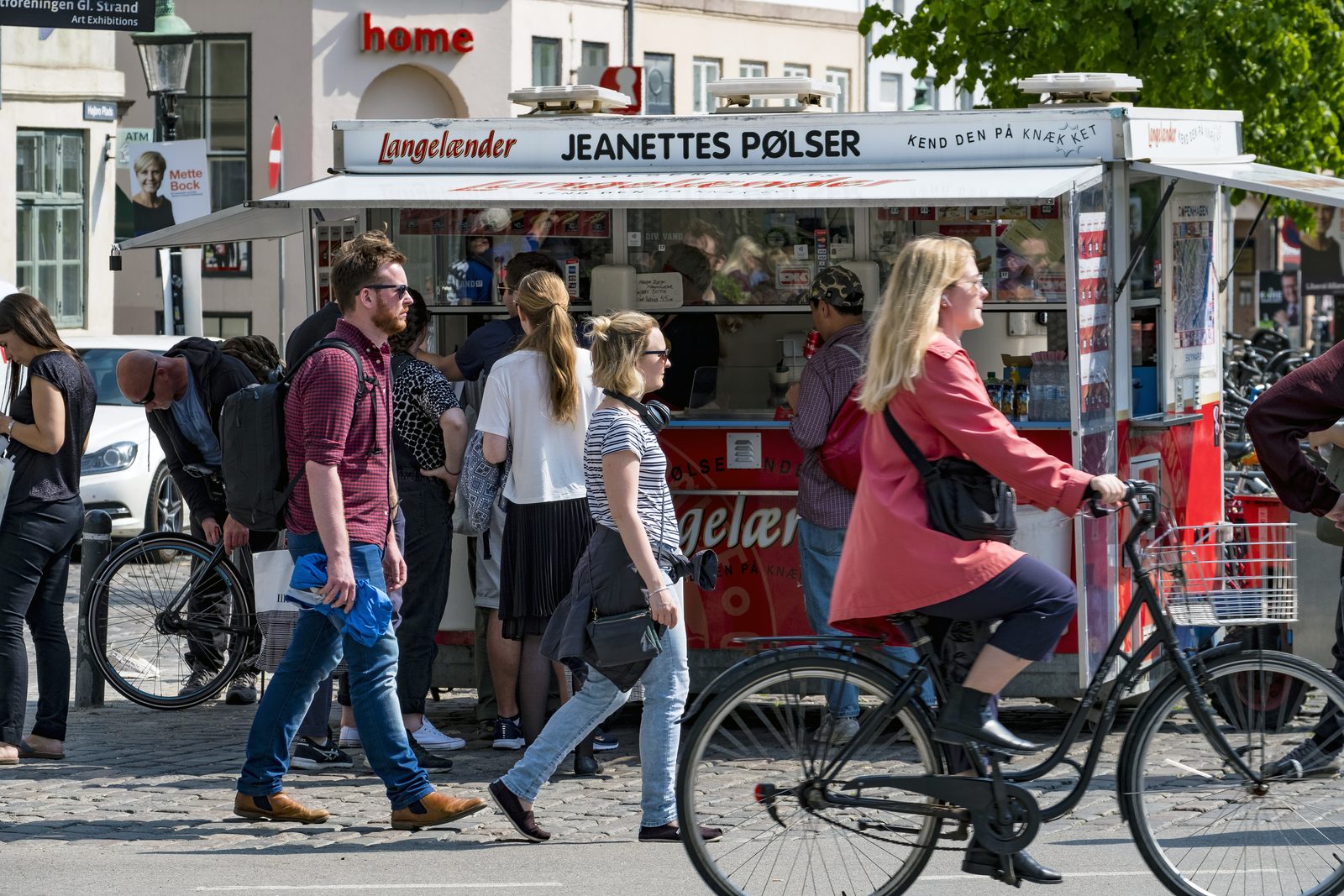
Copenhagen is compact and flat, with bikes on every street and a relaxed crowd that is used to cameras.
- Spots
- 8
- Best time
- May to September for long evenings and people outdoors
- Lens
- 28mm or 35mm
- Photographing people
- Strict: ask first
Copenhagen is good for street photography because life happens in public and the city is small enough to walk. Forrest Walker, who wrote a street guide to the city, found it more edgy than the rest of Scandinavia and more photogenic for it. You get bikes on every street and long pedestrian streets that are busy all day. Danes are relaxed about cameras, and people in the center are used to them.
The light is northern. In summer the evenings run long and gold, and the whole city sits outside on the quays and bridges. In winter the sun stays low and sets early, which gives you long shadows by mid-afternoon. It is an expensive city, but the best spots are free and walkable. I'd walk the center and take a shared bike out to Nørrebro.
Best street photography spots in Copenhagen
Strøget & Amagertorv
Strøget is a chain of pedestrian streets running over a kilometer from City Hall Square to Kongens Nytorv. Forrest Walker starts and finishes most days here, because there is always activity, and he rates it as better for street work than Nyhavn. Amagertorv, with its stork fountain, is the busiest square along it. Buskers draw rings of people, which gives you faces lit by shop windows. Walk it in the morning and again at dusk to see how the crowd changes. Stand by the fountain and let people cross your frame. Watch for pickpockets.
Nyhavn
Nyhavn is the postcard: 17th and 18th century houses painted in strong colors along a canal of wooden boats. Forrest Walker calls it all for the tourists, but still worth walking for the backgrounds. Danny Maiorca, who lives in the city, suggests early morning for the architecture and summer evenings for street shots, when the quay is packed with people drinking by the water. I'd shoot the people on the quay edge with the colored houses behind them. Try the side streets for fewer crowds. Restaurants are expensive here.
Dronning Louises Bro
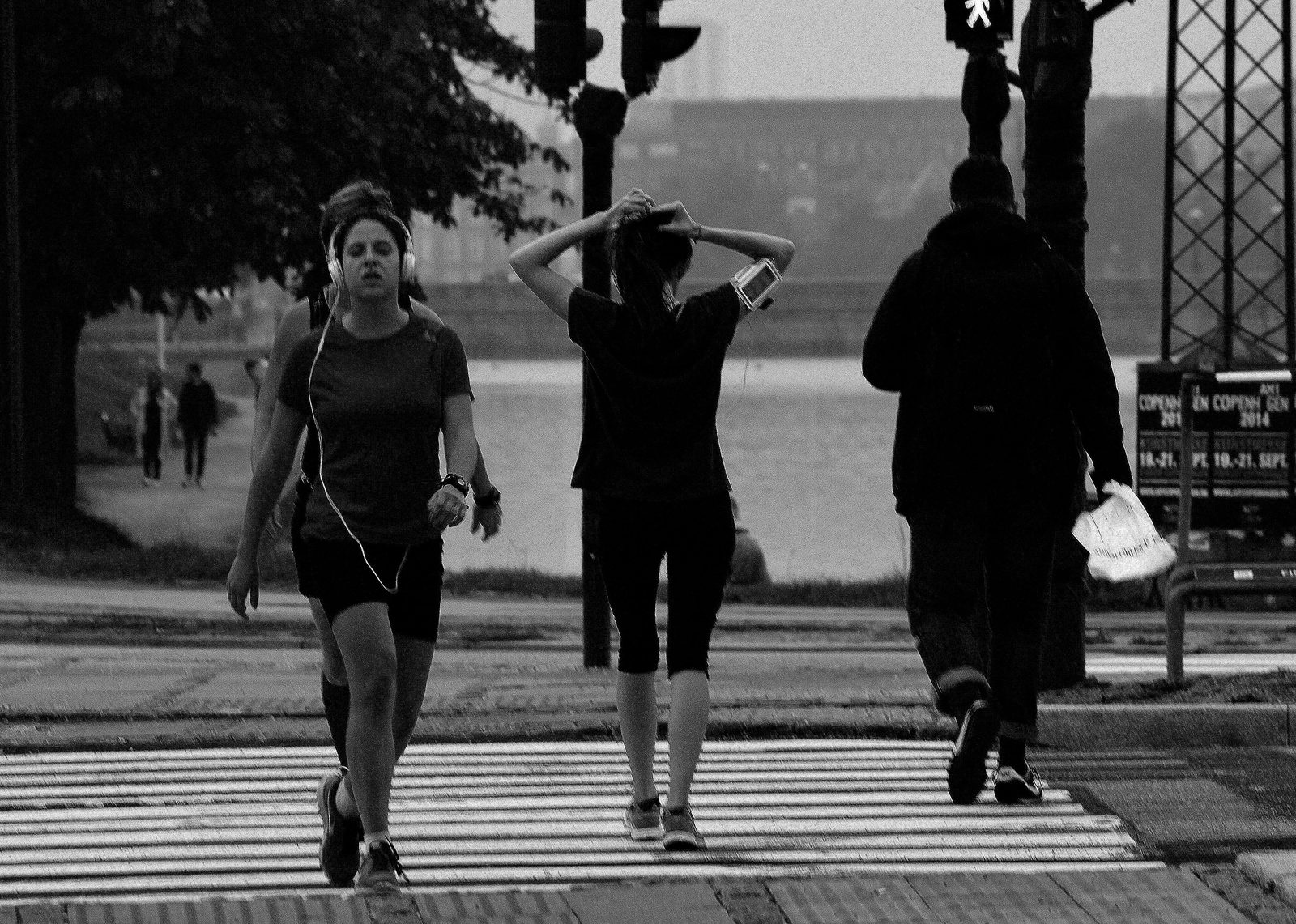
This bridge crosses the Lakes between the center and Nørrebro, and Danny Maiorca calls it a microcosm of life in Copenhagen. It is one of the world's busiest bike routes. At rush hour a stream of cyclists passes, from parents with cargo bikes to commuters in suits. On summer evenings locals line the bridge with cans of beer. At the morning or evening rush, stand at the rail and pan with a rider. Stay out of the bike lane. Cyclists here are fast and don't expect people to step in.
Nørrebro: Assistens & Jægersborggade
Nørrebro is an old working district that is now young and multicultural, with kebab shops and graffiti. Forrest Walker thinks it may be the most interesting district in the city for street photography, away from most tourists. Assistens Cemetery, where Hans Christian Andersen is buried, is used by locals as a park. Jægersborggade next to it has small cafes where people sit on the curb. The From My Lens guide also points to the striped lines of Superkilen Park nearby. Walk it in the afternoon. It is less polished than the center, so read the mood.
Christiania
Christiania began in 1971 when squatters took over old military barracks. It is now a car free neighborhood with murals and handmade houses. It is open to the public and interesting to walk. Photography has long been a touchy subject here. Residents banned photos around Pusher Street, the cannabis market, which authorities and residents moved to close in 2024. Treat the rule as still in force. Photograph the architecture and art freely, and ask before including people. Late afternoon is best. Respect any signs.
Nyboder
Nyboder is a district of long rows of former naval houses, painted yellow and orange. Forrest Walker found it can feel like a ghost town, but the color gives you strong backgrounds for single figures. It is quiet and residential. That quiet is useful. Pick a long straight row with the sun raking along it and wait for a walker or cyclist to come through. Late afternoon light makes the orange glow. People live here, so keep it low key and avoid shooting into windows.
Christianshavns Kanal
Christianshavn has canals lined with Dutch style houses and houseboats. Danny Maiorca argues the canal is as photogenic as Nyhavn with far fewer tourists. The quays fill with people on warm evenings, feet over the water, and cyclists cross the small bridges all day. Walk a full loop. Shoot from a bridge down the canal and wait for a boat or a rower to pass. Evening light is soft here. The quay edges have no railing in many places, so watch your step when framing.
Gråbrødretorv
Gråbrødretorv is a small square off the shopping streets, lined with colored buildings and cafe tables. Danny Maiorca calls it the city's most beautiful square, and says harsh light makes it hard to photograph, so go early or in the late afternoon. For street work, the terraces give you people in conversation against bright walls. Sit at a table and shoot from there. You'll look like just another guest. Nearby Magstræde dates back to the 16th century and is good for a figure walking on cobbles. It is quiet in the morning.
Photographing people in Copenhagen
Strict: local law or custom protects people's image. Ask first, or keep faces out of frame.
Denmark is relaxed about street photography. Taking a picture of someone in a public place is legal. Publishing is where the line sits. According to the Danish Data Protection Agency's guidance, summarized on Wikimedia Commons, situation pictures, such as people at a concert or in a street scene, can be published without consent. A portrait, where one person is clearly the subject, generally needs consent before it goes online. Photographing people in private places without permission is a crime. This is general information, not legal advice.
In practice, Danes rarely object in the center. Forrest Walker found it easy to shoot candids. People are reserved, so a quick smile works better than a long chat. In Christiania, ask first. Frame scenes rather than lone faces, and ask when you want a real portrait.
General information, not legal advice. More in is street photography legal?
What to photograph in Copenhagen
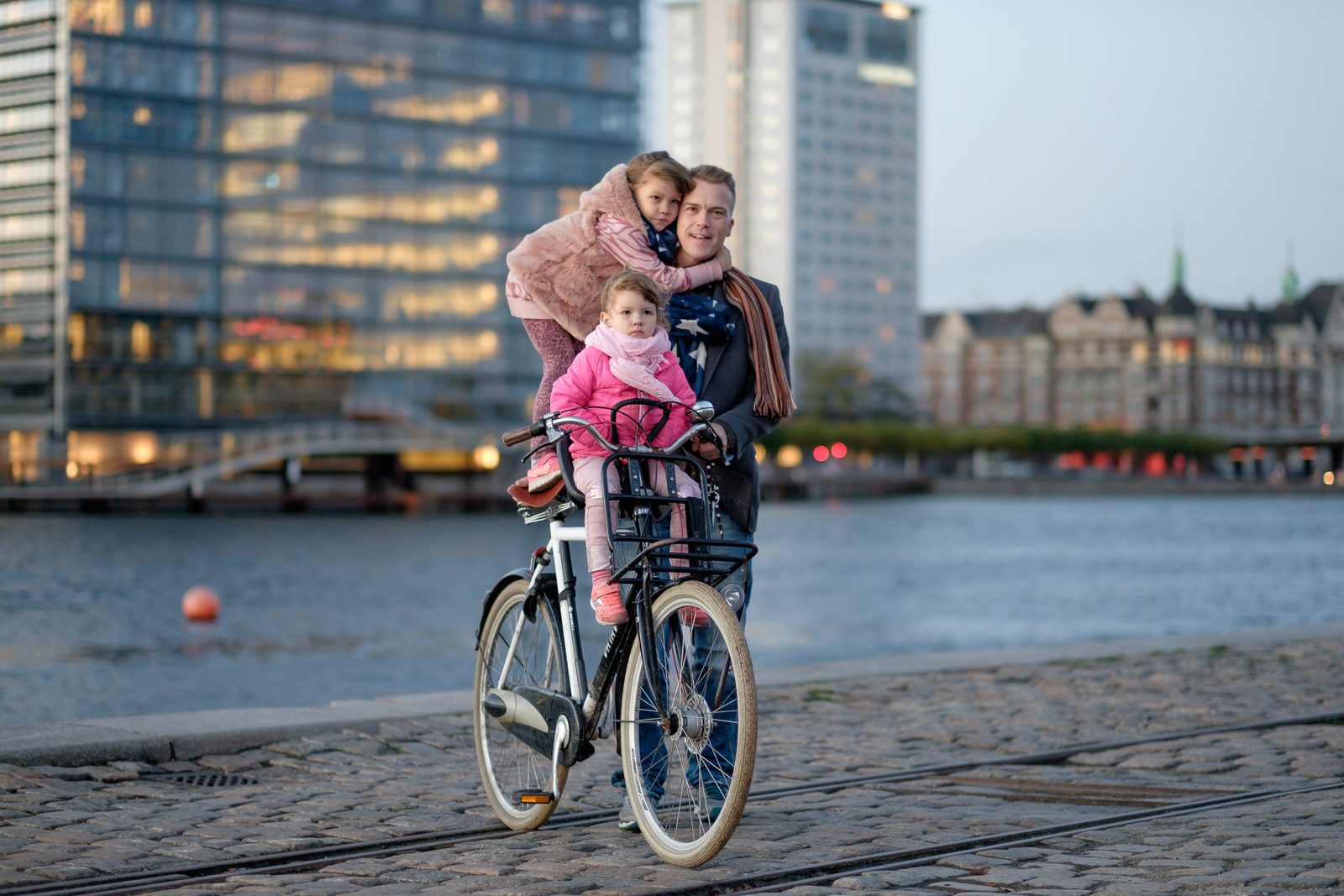
- Bikes. Cargo bikes with kids in the front and commuters in rain gear.
- Color. Painted facades in Nyhavn and on side streets like Sankt Pauls Gade and Olufsvej, which Forrest Walker likes because they lack the crowds.
- Waterfront life. People sitting on the quays with a beer on summer evenings. Drinking outdoors is legal.
- Buskers and crowds on Strøget.
- Hygge. Candlelit windows and people wrapped in blankets at outdoor cafe tables.
- Harbor swimmers. In summer people jump into the clean harbor water from the quays, which gives you bodies in midair against the city.
- Graffiti and multicultural shopfronts in Nørrebro.
- Weather. Rain and reflections on the cobbles. Danes ride through it.
A one-day photo walk
- 8:00, Nyhavn. Beat the crowds. One hour.
- 9:30, Strøget and Amagertorv. A 5 minute walk. Work the length of it slowly, with a stop at Gråbrødretorv.
- 12:00, Nyboder. A 15 minute walk north. Quiet rows for single figures.
- 14:00, Dronning Louises Bro. A 20 minute walk or 10 minutes by bike. Cross into Nørrebro.
- 15:00, Nørrebro. Walk up to Assistens Cemetery and Jægersborggade. Two hours.
- 18:00, back to Dronning Louises Bro for the evening crowd, then a 10 minute metro ride to Christianshavn for the canal at dusk. Visit Christiania by day, not late.
When to shoot
May to September for long evenings and people outdoors. Winter has fewer crowds and low sun but very short days.
The light
Northern light: low and soft for much of the year, long golden evenings in summer, often overcast. Wet streets reflect well.
What to bring
A 28mm or 35mm prime. The city is compact, so travel light and walk.
Safety
One of the safest capitals in Europe. Pickpockets work the crowds on Strøget and Nyhavn. Watch the bike lanes.
Tips for Copenhagen
- Season: May to September for long evenings and outdoor life. In June the sun sets after 22:00. In December it sets before 16:00.
- Bike: rent a city bike to reach Nørrebro, and stay out of bike lanes when shooting on foot.
- Rain: don't stop. Wet cobbles and umbrellas are good material. See street photography settings.
- Lens: a 28mm or 35mm covers the city. More in best lens for street photography.
- Budget: Copenhagen is expensive. Buy food at supermarkets and walk.
- Events: Copenhagen Jazz Festival fills the streets in July. Distortion, a huge street party, usually takes over Nørrebro and Vesterbro in early June. Check dates each year.
- Christmas: markets set up on Højbro Plads and in Tivoli from November.
Frequently asked questions
Is street photography legal in Copenhagen?
Taking photos in public is legal. The Danish Data Protection Agency treats situation pictures of people in public as fine to publish, but publishing a portrait of an identifiable person generally needs consent. Christiania residents have long discouraged photos, especially around Pusher Street.
Where are the best street photography spots in Copenhagen?
Start with Strøget & Amagertorv, Nyhavn, Dronning Louises Bro, Nørrebro: Assistens & Jægersborggade. Long pedestrian street with squares and buskers. Busy from morning to night.
When is the best time for street photography in Copenhagen?
May to September for long evenings and people outdoors. Winter has fewer crowds and low sun but very short days.
What lens should I bring to Copenhagen?
A 28mm or 35mm prime. The city is compact, so travel light and walk.
Is Copenhagen safe for street photographers?
One of the safest capitals in Europe. Pickpockets work the crowds on Strøget and Nyhavn. Watch the bike lanes.