
Street Photography in Beijing
Beijing puts old hutong lanes and park life next to a modern megacity, and people here are often open to being photographed if you ask.
- Spots
- 8
- Best time
- September and October for clear, mild days
- Lens
- 35mm
- Photographing people
- Strict: ask first
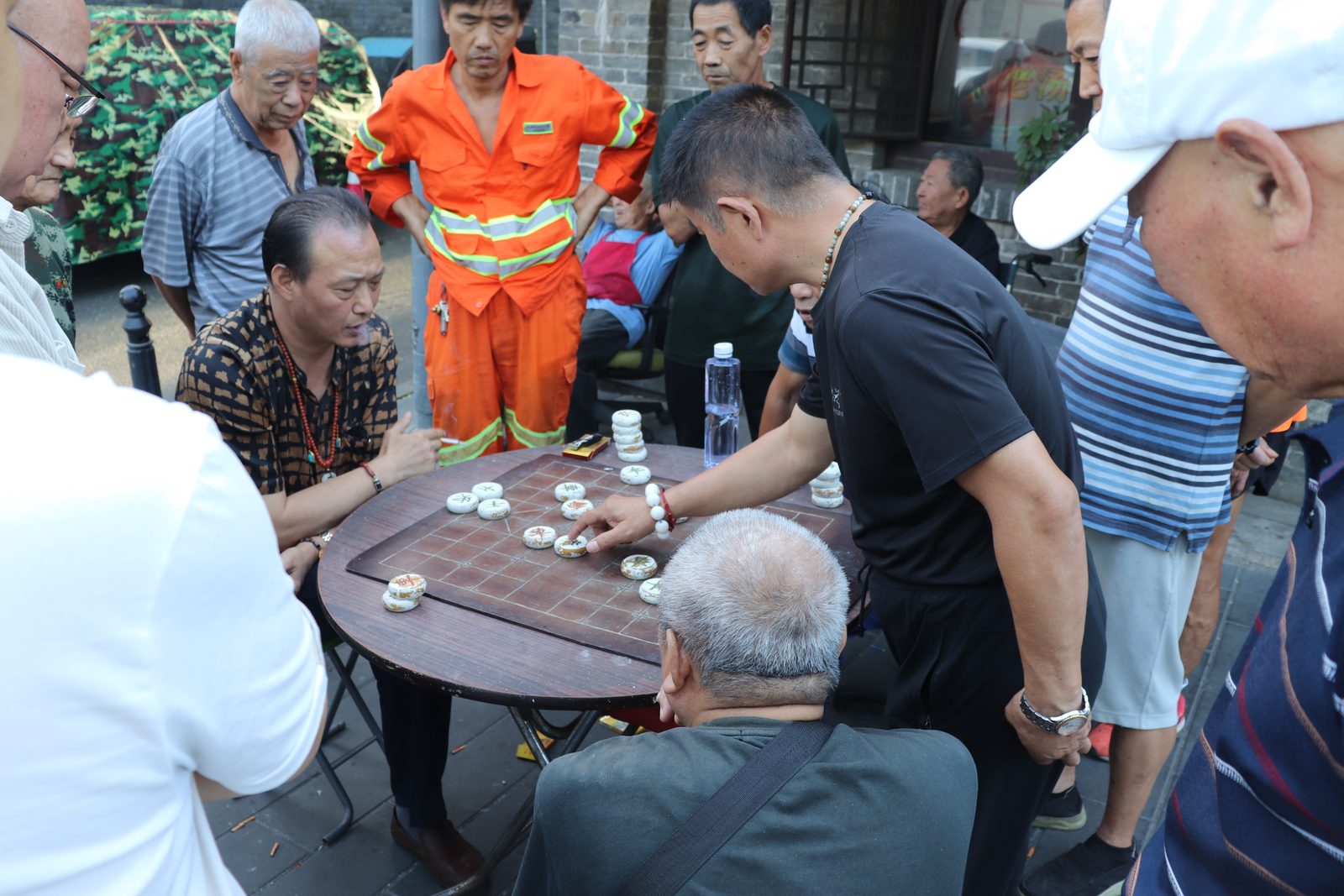
Beijing is good for street photography because the old city still lives outdoors. In the hutongs, the alley neighborhoods around the Drum Tower, people cook and fix bikes in the lane. In the parks, retirees dance and sing from dawn. Bejan Siavoshy, who lived in Beijing, wrote that people in China were the most open to being photographed of anywhere he had traveled, as long as you ask.
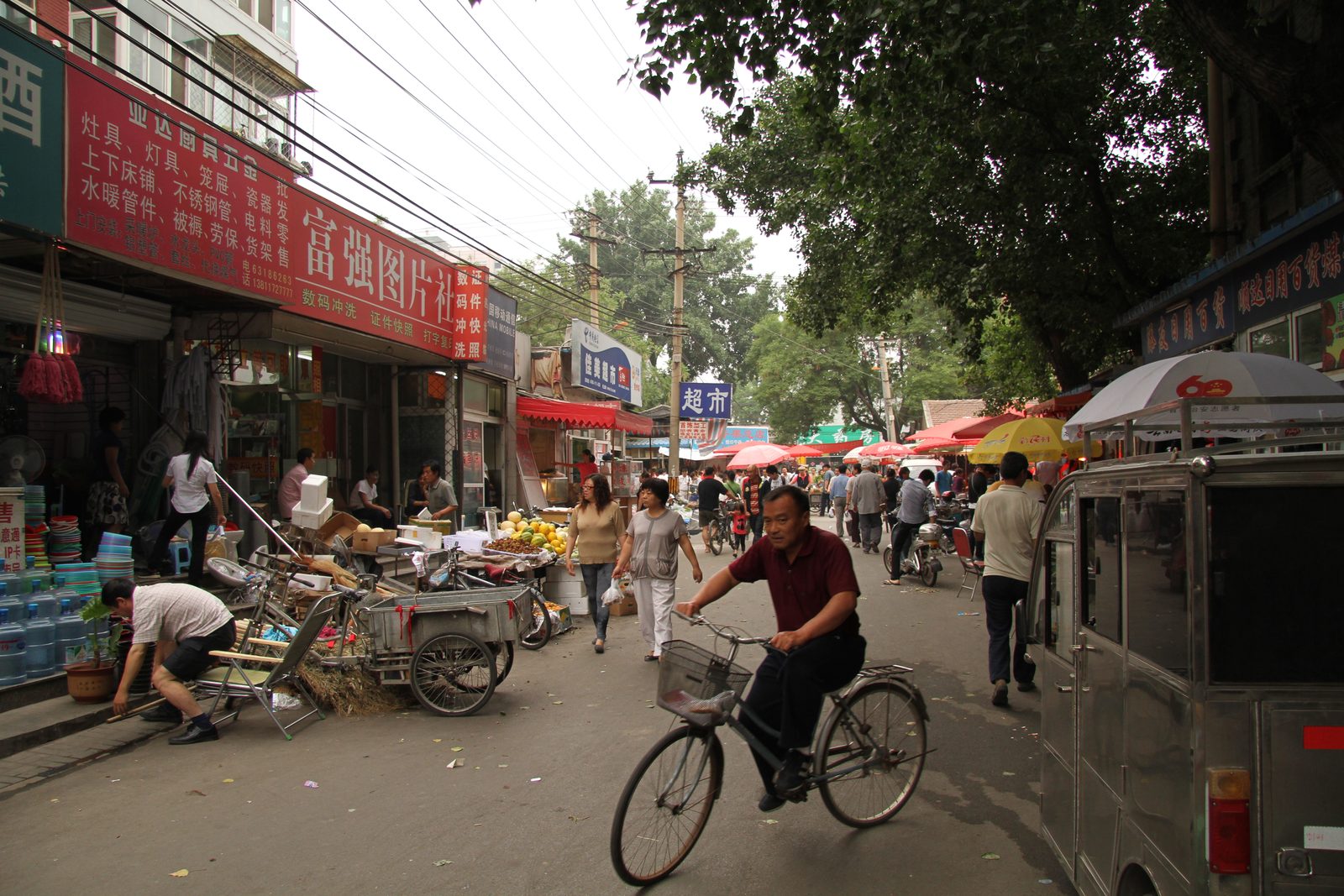
The city is huge and the traffic is slow, so I'd work it one district at a time. Gulou and the lakes can fill a whole day. Many hutongs have been demolished or polished for visitors, so the best scenes are often one alley away from the famous one. Mornings belong to the parks. Afternoons belong to the lanes. Mainland China blocks Google and most Western apps, so set up offline maps and a payment app before you land.
Best street photography spots in Beijing
Gulou & Drum Tower Square
Gulou means Drum Tower, and the square between the Drum and Bell Towers is the heart of the old north side. Bejan Siavoshy calls the area the perfect storm for photographers new to Beijing: old lanes, quirky shops, bars and people with more interesting style than the malls. I'd come in the late afternoon, when low sun rakes across the gray brick. Stand at the edge of the square and use the tower as a backdrop for kids and old men passing on bikes. Then walk the lanes east and west. Rickshaw drivers here often overcharge visitors, so walk.
Nanluoguxiang hutongs
Nanluoguxiang is the best known hutong street, and in the afternoon it is shoulder to shoulder with domestic tourists. That crowd is a subject in itself: snack stalls and selfies, with couples in rented costume. The real reward is the side alleys that branch off it, where residents sit outside their courtyard gates. The Barrettish photo set from 2019 includes a woman at an open fire food cart near Luogu Lane at night. Go early morning for residents, or after dark for stall light. Frame a doorway with a figure inside it. Remember these are homes, so don't shoot into open courtyards.
Houhai & Shichahai
Shichahai is a chain of three lakes that was once part of an imperial garden. Houhai is the largest. The shore path draws walkers, anglers, swimmers and bar crowds at night. In winter the lakes freeze and people skate on them, which gives you figures scattered across a white field. Morning light is soft on the water and the willows. Walk the north shore and shoot back across the lake toward the silhouettes on the far bank. The bar strip is loud at night and touts will try to pull you inside.
Jingshan Park
Jingshan is the hill directly behind the Forbidden City, built from the earth dug out for its moat. The top gives the classic view over the palace roofs, and Bejan Siavoshy warns you will share it with tripods at most hours. For street work, stay lower. The paths and pavilions fill with morning exercise groups and singers, with card players in the pavilions. Go early, from opening, when the old people are out. Frame a singer against the red walls or yellow tiles. There is an entry fee, so bring your passport and a payment app.
Temple of Heaven Park
Temple of Heaven Park is famous for its morning activities. Visions of Travel describes getting there around 5 or 6 am to find an outdoor gym by the east entrance, group dancing, tai chi, badminton, Chinese opera and folk music jams. This is the best place in Beijing to photograph people moving. Arrive at opening and walk in from the east gate. The long covered corridor is where many groups gather, and its columns give you frames within the frame. Try a slow shutter on the dancers. By mid-morning the tour groups arrive and the locals drift home.
Niujie (Ox Street)
Niujie is Beijing's largest Muslim neighborhood and home to the city's oldest mosque. Bejan Siavoshy describes communist era apartment blocks mixed with halal butchers and bakeries, and calls the people here extremely friendly. It sees few foreign visitors, which is exactly why I'd go. Late morning is good for the food shops, when steam and flour dust catch the light. Shoot the counters from the doorway, then ask for portraits. Dress modestly, and ask permission before photographing inside the mosque grounds.
Panjiayuan Antique Market
Panjiayuan is a sprawling flea market with hundreds of sellers of old books, jade, posters and curios. Bejan Siavoshy notes that many of the antiques are newer than the vendors claim, so haggle hard if you buy. For photography the sellers are the draw: faces bent over magnifying glasses, hands on bronze, piles of objects everywhere. Weekend mornings are busiest. A short telephoto lets you catch the buying and selling from a few meters away. Some vendors dislike cameras pointed at their stock, so buy something small or ask first.
Lama Temple & Wudaoying Hutong
Yonghegong, the Lama Temple, is a working Tibetan Buddhist temple where worshippers bow with fistfuls of incense. Smoke and backlight make this the place for atmospheric frames, best on weekdays when it is quieter. Photography inside the main halls is generally not allowed, so work the courtyards. Across the road, Wudaoying Hutong has cafes and vintage shops that draw a younger crowd. It is the contrast shot: a monk or pilgrim one minute, fashion kids the next. I'd come early afternoon, when the courtyards have light and shadow.
Photographing people in Beijing
Strict: local law or custom protects people's image. Ask first, or keep faces out of frame.
Beijing is relaxed about cameras in everyday places. Locals shoot with phones everywhere, and asking works. Bejan Siavoshy suggests saying "wo ke yi pai ni ma?", which means "can I photograph you?", and if someone looks uneasy after a candid, approaching them to ask properly. If it still feels wrong, say "duibuqi" (sorry) and move on. The law is stricter on paper. Article 1019 of the Civil Code says nobody may make or publish a person's image without consent, and article 1020 lists exceptions, including images needed to show a public setting. A crowd on a street is different from a tight portrait sold or published. This is general information, not legal advice.
The firm rule is security. Do not photograph armed police or checkpoints, especially at Tiananmen Square and major stations. Tiananmen now requires an advance reservation with your passport.
General information, not legal advice. More in is street photography legal?
What to photograph in Beijing
- Park life. Dawn tai chi, fan dancing, choirs, calligraphy with water on the pavement and badminton.
- Hutong doorways. Red gates with residents sitting outside on stools.
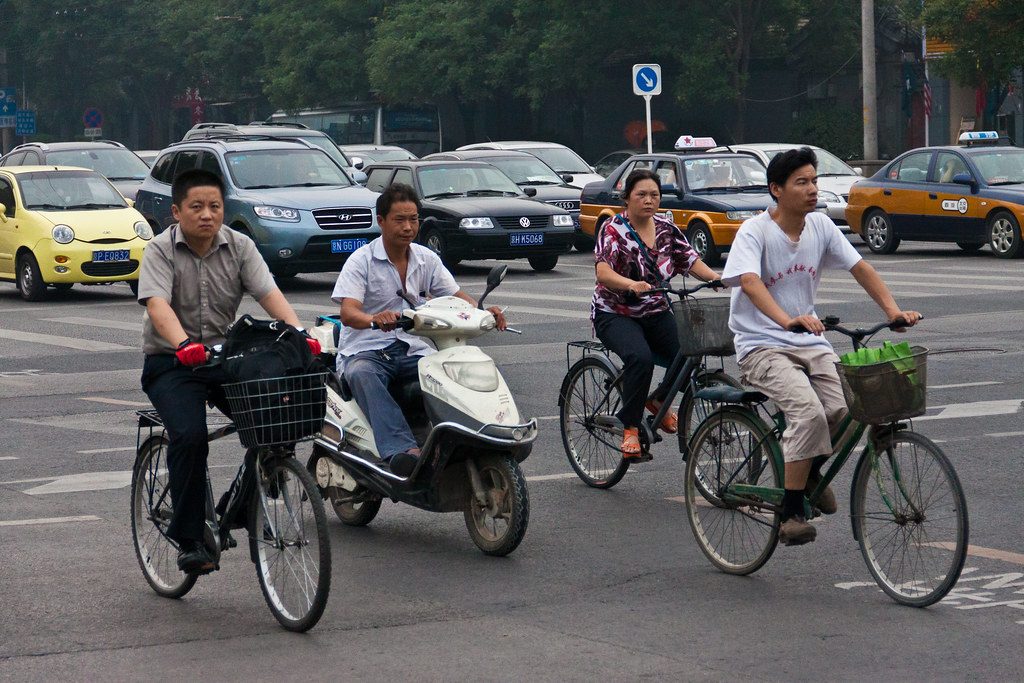
- Bikes and delivery riders. E-bikes piled with boxes and shared bikes weaving through lanes.
- Selfie culture. Domestic tourists posing at every landmark, often in rented traditional dress.
- Winter ice. Skaters on the frozen lakes at Houhai.
- Food stalls. Steam and the orange glow of night carts.
- Uniforms. Street sweepers and neighborhood volunteers in red armbands are part of the texture of every lane. Keep it respectful and never aim at security staff.
- Old meets new. Courtyard walls with glass towers behind them, and scaffolding where lanes are being rebuilt.
A one-day photo walk
- 6:00, Temple of Heaven Park. Enter by the east gate for dancers and tai chi. Two hours.
- 9:00, Jingshan Park. About 25 minutes by taxi or subway. Climb the hill, then shoot the singers on the paths.
- 11:00, Houhai and Shichahai. A 20 minute walk north. Walk the shore and have lunch.
- 14:30, Gulou and Drum Tower Square. Ten minutes on foot. Work the lanes around the towers in the afternoon sun.
- 16:30, Nanluoguxiang hutongs. A 10 minute walk east. Skip the main lane and work the side alleys.
- After dark, back to Nanluoguxiang for stall light, or on to Wudaoying Hutong, about 15 minutes by bike.
When to shoot
September and October for clear, mild days. Spring is fine but can bring dust and wind. Early morning for the parks, late afternoon for the hutongs.
The light
Dry and often hazy. Clear autumn and winter days give low, hard sun in the hutongs; smoggy days go flat and gray.
What to bring
A 35mm prime for the hutongs. A short telephoto helps in the parks and at the market.
Safety
Very safe for street photography. Watch the e-bikes, and your bag in crowds.
Tips for Beijing
- Season: September and October give the clearest light. Winter is cold and dry, with low sun and frozen lakes.
- Apps: Google is blocked. Download offline maps and set up a local payment app before you arrive.
- Language: English is limited. Carry your destinations written in Chinese, and learn to ask permission in Mandarin.
- Getting around: the subway has English signs. Shared bikes are the best way to link hutongs.
- Lens: a 35mm prime covers the lanes. See best lens for street photography.
- Haze: on gray days, go close and shoot faces and color instead of long views. Settings in street photography settings.
- Tiananmen: reserve 1 to 7 days ahead through the official WeChat mini program, with your passport.
- Lunar New Year: temple fairs fill parks and temples, usually in late January or February. Dates change each year.
Frequently asked questions
Is street photography legal in Beijing?
Taking pictures in public is common and generally tolerated. China's Civil Code (article 1019) says a person's image may not be made or published without consent, with exceptions such as showing a public setting (article 1020). Never photograph armed police or security checkpoints, especially around Tiananmen Square.
Where are the best street photography spots in Beijing?
Start with Gulou & Drum Tower Square, Nanluoguxiang hutongs, Houhai & Shichahai, Jingshan Park. Hutong life around the Drum and Bell Towers. Locals on bikes and quirky shops.
When is the best time for street photography in Beijing?
September and October for clear, mild days. Spring is fine but can bring dust and wind. Early morning for the parks, late afternoon for the hutongs.
What lens should I bring to Beijing?
A 35mm prime for the hutongs. A short telephoto helps in the parks and at the market.
Is Beijing safe for street photographers?
Very safe for street photography. Watch the e-bikes, and your bag in crowds.