
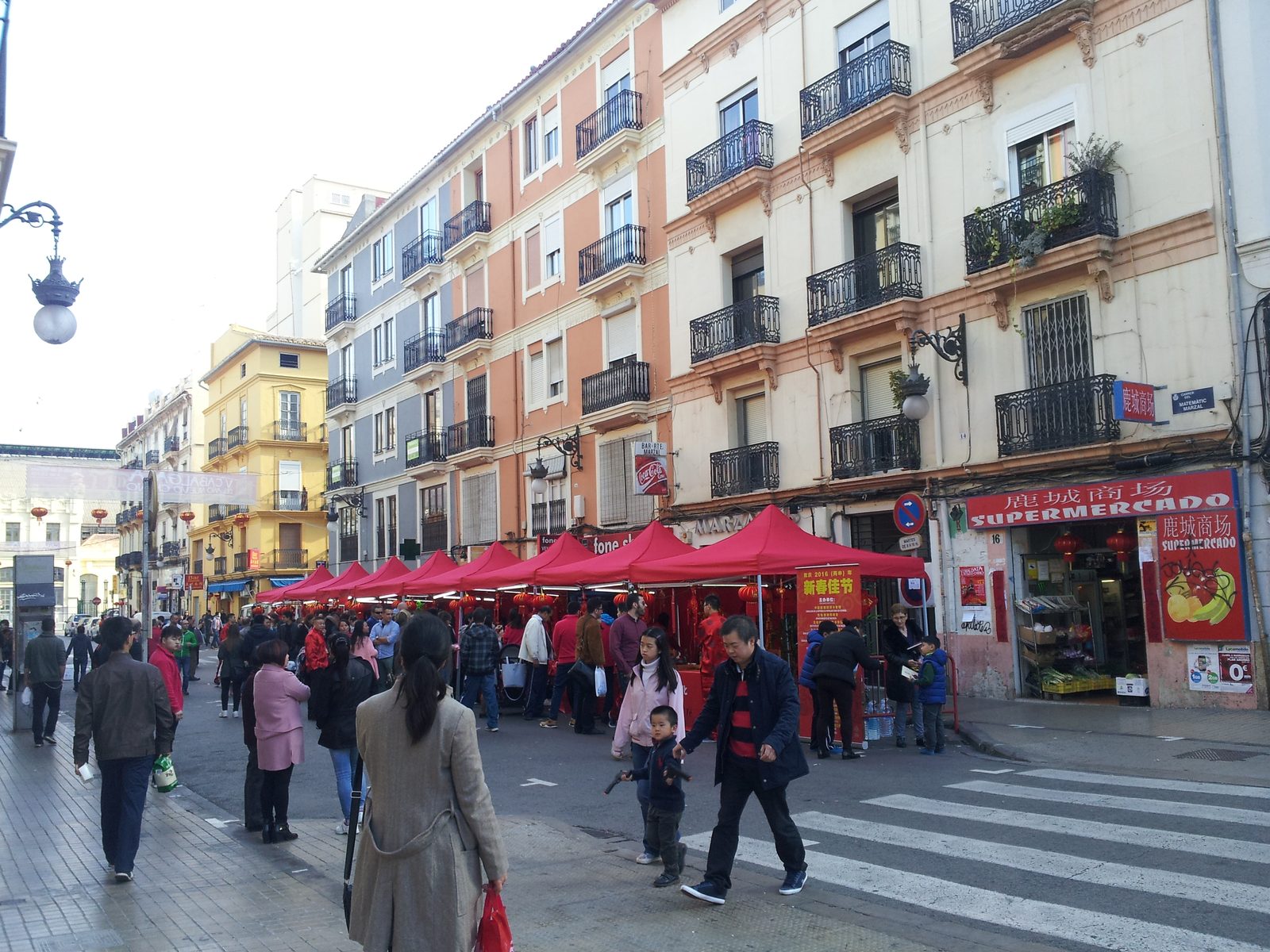
Street Photography in Valencia
Valencia pairs a lively old town of street art and plazas with one of Europe's great market halls, soft Mediterranean light most of the year and Fallas, a March festival that fills the streets with crowds and fire.
- Spots
- 8
- Best time
- October to May for mild weather and good light
- Lens
- 28mm or 50mm
- Photographing people
- Strict: ask first
Valencia is good for street photography because it combines a lively old town and a huge working market, all under soft Mediterranean light that stays kind well into the evening. Camera Film Travel calls it one of the most underrated cities in Spain for photography. The lanes of El Carmen are covered in street art, and the Mercat Central is full of characters. In March, Fallas turns the whole city into a stage, with giant satirical monuments and crowds at the daily mascletà.
If you live here, pick a barrio like Russafa or El Cabanyal and make it your regular walk. If you're visiting, I'd spend the morning at the Mercat Central and in El Carmen, walk the Turia Gardens in the afternoon, and finish at the beach or the City of Arts and Sciences. Spanish law protects the right to your own image, so ask before publishing a close portrait.
Best street photography spots in Valencia
Mercat Central
The Mercat Central is one of Europe's great market halls, a modernist building with tiled walls and a stained glass dome. Amateur Traveler notes that light through the stained glass is magical in the morning, and Camera Film Travel calls it brilliant for street photography, with vendors and locals going about their day. Fox of Snaps by Fox calls it full of great characters. Go mid-morning, when shoppers crowd the counters. Stand at a crossing of aisles and let the stalls pile up in layers. Ask before close portraits of traders, and buy something first. The market is generally closed on Sundays, so check hours before you go.
El Carmen
El Carmen is the oldest part of the old town, a maze of narrow lanes covered in street art. Amateur Traveler singles out Calle de Caballeros and Calle de Quart for murals and facade details, with light and shadow cutting through the alleys. Camera Film Travel says the lanes are full of life and good for candids any time of day. Fox found the old town best in the morning, with light flooding the long narrow streets. Use a mural as the background and wait for someone to walk into it. At night the barrio fills with bars, and the mood changes completely. Keep an eye on your bag in the busy lanes.
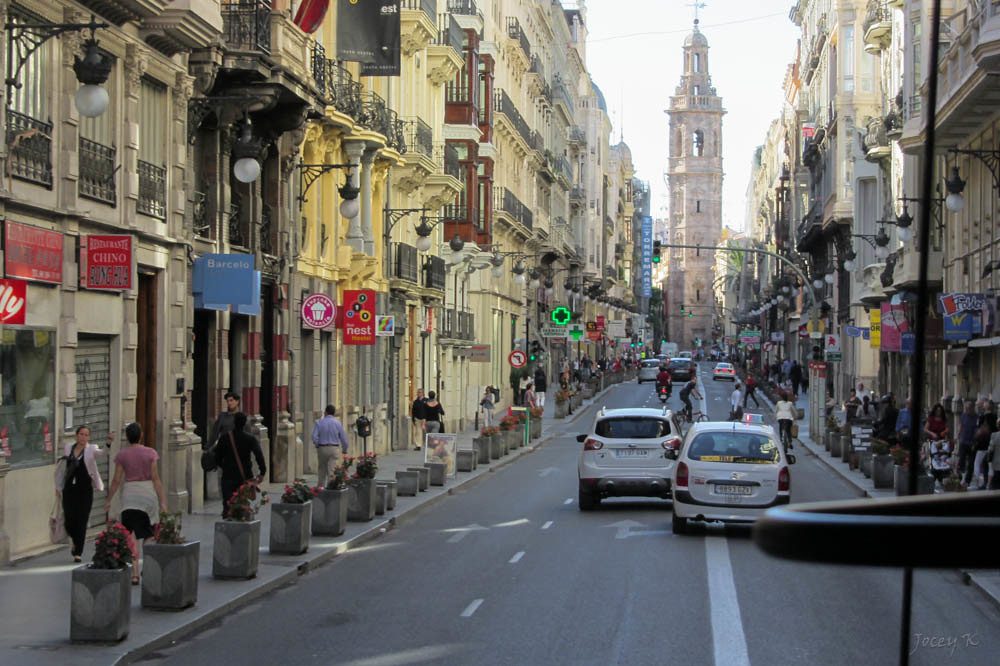
Plaça de la Mare de Déu
The Plaça de la Mare de Déu, or Plaza de la Virgen, is Valencia's most beautiful square. Camera Film Travel points out that the cathedral front and the basilica fit in one frame here, with the Micalet bell tower above. It is busy with visitors and locals crossing between the old town and the river gardens, and the big Turia fountain in the middle is a meeting point. Morning light is soft on the stone. Stand by the fountain and wait for a figure to cross in front of the basilica's curved wall. During Fallas, the square hosts the flower offering to the Virgin, when it is packed.
Plaça de l'Ajuntament
The Plaça de l'Ajuntament is the big square in front of the city hall. Most of the year it is a busy junction with flower stalls. In March it becomes the centre of Fallas: Visit Valencia says the mascletà, a roaring daytime firework show, fires here at 2pm sharp every day from 1 to 19 March. The crowd is the subject, with faces turned up and hands over ears. Arrive early and find a spot on the edge where you can see faces. Crowd scenes like this are the easiest to publish under Spanish law. Protect your ears and watch your bag in the crush.
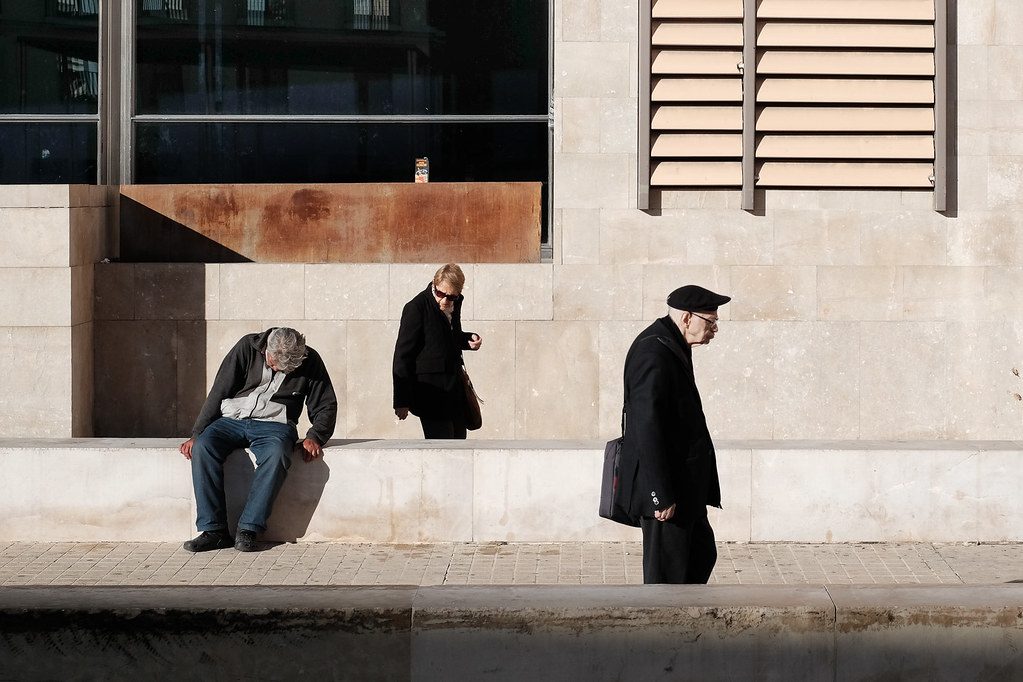
Russafa
Russafa, or Ruzafa, is the bohemian neighbourhood just south of the centre, a hub for artists and independent shops, according to Amateur Traveler. Calle Sueca and Calle de Denia mix contemporary murals with older buildings, and the Mercat de Russafa is full of bright produce and crowds. Morning is best for the market, and evening for cafe terraces and people out walking. It feels more local than the old town. Frame people at cafe tables against the murals, or work the market entrance as shoppers come and go. It is a good base if you live in Valencia and want a regular route.
Turia Gardens
The Turia Gardens fill the old bed of the river Turia, which was diverted after floods and turned into a long park that runs across the city. Fox recommends walking through it to the City of Arts and Sciences instead of the busy streets. It is where Valencia exercises and relaxes: runners and cyclists on weekdays, with families and ball games at weekends. The old stone bridges crossing overhead give you shade and frames. Shoot a runner passing through the shadow of an arch in late afternoon. Weekend mornings are busiest. It is a calm place to practise on moving subjects.
El Cabanyal
El Cabanyal is the old fishing quarter by the sea, with low houses decorated in colourful tiles. Fox describes old houses with plenty of colour and a rough-round-the-edges feel, and says it was the one area he was told to be careful in, though he found it fine. The beach and promenade next door give you walkers and swimmers, and Fox found misty mornings there great for photos. Amateur Traveler says early mornings and late afternoons are best on Malvarrosa beach. Walk the grid of streets for tiled facades and people on doorsteps, then the promenade at sunset. Keep a low profile here, and ask before photographing people at home.
City of Arts and Sciences
The City of Arts and Sciences is Santiago Calatrava's complex of white futurist buildings over shallow pools at the end of the Turia Gardens. Fox calls it an insane piece of architecture where you can spend hours finding compositions, and Camera Film Travel points to the Hemisfèric's curves and reflections at golden hour. For street photography, the job is scale: a small figure against huge white curves, or a walker reflected in the water. Harsh sun makes the white glow, so expose for the highlights. It is busy with visitors on weekends. Come at golden hour or blue hour for the best light.
Photographing people in Valencia
Strict: local law or custom protects people's image. Ask first, or keep faces out of frame.
Spain protects the right to your own image. Article 18 of the Constitution guarantees it, and Article 7.5 of Organic Law 1/1982 treats capturing, reproducing or publishing someone's image without consent as an unlawful intrusion. Article 8.2 sets exceptions for public figures at public events or in public places, and for people who appear only incidentally in images of a public event. Commercial use needs consent. In practice, taking pictures in the street is common, and the legal risk comes with publishing a clear portrait of one identifiable person. This is general information, not legal advice. See is street photography legal.
Valencians are relaxed and used to cameras, especially in the old town and during Fallas. For close portraits you plan to publish, ask; most people say yes. More in how to photograph strangers.
General information, not legal advice. More in is street photography legal?
What to photograph in Valencia
- Market life at the Mercat Central and the Mercat de Russafa.
- Street art in El Carmen and Russafa, as backgrounds for passers-by.
- Fallas: crowds at the mascletà and the fires of the cremà.
- Tiled houses and doorsteps in El Cabanyal.
- Beach life on the Malvarrosa promenade at sunrise and sunset.
- Runners and cyclists under the bridges of the Turia Gardens.
- Scale: small figures against the white curves of the City of Arts and Sciences.
- Plazas: people meeting around fountains in the old town.
- Cafe terraces in the evening, when the city eats late.
- Night in El Carmen: bar fronts and people spilling into the lanes after dark.
A one-day photo walk
- 9:00, Mercat Central. Traders and morning shoppers under the stained glass. Buy breakfast inside.
- 10:30, El Carmen. About 5 minutes on foot. Murals along Caballeros and Quart.
- 12:00, Plaça de la Mare de Déu. A few minutes on foot. The square and the fountain.
- 14:00, Plaça de l'Ajuntament. About 10 minutes on foot. In March, the mascletà.
- 16:00, Turia Gardens to the City of Arts and Sciences. About 40 minutes walking through the park. Runners, then architecture at golden hour.
- 19:00, El Cabanyal. A short taxi or tram ride from the City of Arts and Sciences. Tiled streets, then the promenade at dusk.
When to shoot
October to May for mild weather and good light. Fallas runs 1 to 19 March 2027, with the daily mascletà at 2pm in the Plaça de l'Ajuntament and the burning of the monuments on the night of 19 March. Summer is hot, so shoot early and late.
The light
Valencia is known as a city of light. Winter days are often sunny and mild. Mornings flood the long old town streets, and golden hour makes the white City of Arts and Sciences glow. Misty mornings sometimes soften the beach.
What to bring
A 28mm and a 50mm cover most of the city, as Fox found. Earplugs during Fallas.
Safety
Generally safe. Watch for pickpockets in the old town and at Fallas. El Cabanyal feels rougher around the edges. Fallas crowds and fireworks are intense, so protect your ears and gear.
Tips for Valencia
- Fallas: 1 to 19 March 2027. The monuments go up on the night of 15 March and burn on the night of 19 March. The mascletà fires at 2pm daily in the Plaça de l'Ajuntament.
- Ears: bring earplugs for the mascletà and protect your camera from ash at the cremà.
- Lenses: Fox used a 28mm and a 50mm most. See best lens for street photography.
- Mornings: the old town light is best early, before the lanes fill.
- White buildings: expose for the highlights at the City of Arts and Sciences. See street photography settings.
- Late evenings: Valencia eats late, so terraces are busiest after 9pm.
- Pickpockets: keep your bag closed in the old town and the Fallas crowds.
Frequently asked questions
Is street photography legal in Valencia?
STRICT on publishing. Spain's Constitution (Article 18) and Organic Law 1/1982 protect the right to one's own image. Article 7.5 treats capturing or publishing a person's image without consent as an unlawful intrusion, with exceptions in Article 8.2 for public figures at public events or in public places, and for people who appear only incidentally in images of a public event. Commercial use needs consent. Ask before publishing close portraits. General information, not legal advice.
Where are the best street photography spots in Valencia?
Start with Mercat Central, El Carmen, Plaça de la Mare de Déu, Plaça de l'Ajuntament. Huge modernist market hall under stained glass and ironwork. Traders and shoppers every morning except Sunday.
When is the best time for street photography in Valencia?
October to May for mild weather and good light. Fallas runs 1 to 19 March 2027, with the daily mascletà at 2pm in the Plaça de l'Ajuntament and the burning of the monuments on the night of 19 March. Summer is hot, so shoot early and late.
What lens should I bring to Valencia?
A 28mm and a 50mm cover most of the city, as Fox found. Earplugs during Fallas.
Is Valencia safe for street photographers?
Generally safe. Watch for pickpockets in the old town and at Fallas. El Cabanyal feels rougher around the edges. Fallas crowds and fireworks are intense, so protect your ears and gear.