
A street photography course is worth it if you have been shooting for a while and stopped improving. A course gives you a sequence to follow, while YouTube gives you information, and neither one replaces time on the street.
I'm Olivier Duong, and I sell a street photography course, so weigh my view with that in mind. I also spent years learning photography the free way first, as a self-taught photographer. Sometimes the honest answer is to keep your money.
Can street photography be taught?
Yes, the seeing part can be taught. Nerve and hours on the street can't be bought, but composition, light, timing and how to judge your own photos are all learnable skills.
Reddit is split on this. One user wrote, "I don't think street photography is as 'teachable' as people think it is." Another answer gets repeated in every thread: "just shoot and let progress take its course." Both have a point. Shooting is essential. But shooting without knowing what to look for is like reading a book in a foreign language with no vocabulary.
You learned to read by learning patterns until you stopped noticing them. Seeing pictures works the same way. Once your brain knows the patterns, it starts spotting them on the street without effort. A good photography teacher speeds that up. A bad one hands you a formula that makes your photos look like everyone else's.
Course vs YouTube vs workshop vs mentor: comparison table
Each way to learn photography solves a different problem. Pick by what you're missing, not by price alone. If you're wondering whether you need to pay at all, the free rows are a fine place to start.
| Option | Typical cost | What you get | Feedback on your photos | Best for |
|---|---|---|---|---|
| YouTube and blogs | Free | Lots of information and gear talk, in random order | No | Camera basics, aperture and shutter speed, Lightroom and Photoshop tutorials |
| Books and photo books | $20 to $60 each | Deep ideas and great photographs to study | No | Self-taught shooters who read and practice |
| Online course | Free to about $300 | A structured sequence with photo assignments | Usually no, check before you buy | People who shoot a lot but have plateaued |
| In-person workshop | Roughly $600 to $800+ on Reddit reports, plus travel | A day or more shooting with an instructor and a group | Yes, often live | Fear of strangers, getting constructive criticism |
| Mentor or one-on-one coaching | Hundreds of dollars and up | Personal guidance on your own work over time | Yes, in depth | Serious hobbyists and those becoming a professional |
Prices vary a lot, so treat these as ballpark figures. For named picks, see my list of the best street photography courses.
Is YouTube enough to learn street photography?
YouTube is enough to learn the basics and get inspired, but it rarely takes you from average to good. It gives you information in random order, and information is not the same as a way to learn.
I know because I tried it. After I stopped buying cameras, I spent about a year reading blogs and watching YouTube. My photos didn't improve as much as I expected. The advice was the same few one-liners copied from site to site: "rule of thirds", "get closer". Useful, but not enough.
A Reddit user asked the right question: "what I cannot learn from YouTube/the internet?" Another gave the best answer I've seen: "The biggest difference is YouTube cannot give you feedback on what you go out and practice." I'd add one more gap. YouTube doesn't give you an order. You still learn a lot, but you jump from tip to tip and never build a system.
If money is tight, go to YouTube for technical skills and study photo books for seeing. You can learn a surprising amount online for free, from lens choice to editing. There is good free photography education online too, which I list on the courses page. Just be honest with yourself about whether a year of free online content has moved your work. If it hasn't, spending that money on structure may be the cheaper option in the end.
Are photography workshops worth it?
A photography workshop might be worth it when you need live feedback or help with fear, and when the instructor's own work is something you admire. It's usually not worth it if you mostly want information, because a book or course gives you that for far less.
The best argument for attending a workshop is people. Workshops are a great way to meet like-minded photographers. For many people who attend photography workshops, the walk with the group is one of the best things about them. One Reddit user said one of the best bits of their course "was getting feedback from peers." Another wrote, "Take workshop with a master. I did that with Magnum photographers at Paris. And it was a tremendous change for me." Someone else said a workshop "helped a lot with the fear of getting close." Magnum photographers such as Matt Stuart have taught street workshops, and a good one can change how you work in a weekend.
The complaints are about price and depth. Reddit users balk at paying $600 or more to "walk around with you and take photos for two days." And one of my own students, Chris Wilson, wrote about workshops he'd attended before: "They set average assignments with relatively minor feedback and minimal input other than 'be brave'."
My own experience is mixed. In the only photo class I ever took, I didn't learn much from the course itself. I learned from talking to the teacher. A good photographer is not always a good teacher. So if you go, make sure you do your research. Check the group size and the instructor's own photographs. Then ask how much time is spent reviewing your work versus walking.
When a street photography course is worth the money
Taking a photography course is definitely worth it when your problem is seeing, not gear or nerve. These are the signs:
- You shoot every week but your photos look the same as a year ago.
- You get the occasional good photo but can't explain why it worked, so you can't repeat it.
- Your photos feel boring and random, even in interesting places.
- You've watched hundreds of free videos and want a sequence, not more nuggets of wisdom.
- You have a real passion for photography and want to improve your photography skills, not just collect gear.
- You learn better in short, daily lessons than in long weekend events.
- You want to learn from someone who shows work you like, not just talks about it.
The slight edge principle applies here. Small efforts every day beat one big push. A 5 minute lesson and 30 minutes of shooting, repeated for weeks, does more than a single weekend. Minor White talked about planning your work over five years, not five weeks. Improvement is slower than anyone selling a course likes to admit, me included.
When to save your money
Save your money if you haven't shot much yet, or if what you need is something a course doesn't offer. A course can't do the walking for you.
- You're brand new. Shoot for a few months first. Free guides like street photography for beginners will get you started.
- You want someone to review your photos. Many online courses, mine included, don't include personal feedback. A workshop or mentor is the better fit.
- You want to make a living. Most street photography courses teach seeing, not Instagram growth or selling prints.
- You think a new camera will fix it. It won't, but if you want to spend on gear anyway, read the best camera for street photography first and buy one setup.
What about photography classes, degrees and apprenticeships?
Photography classes at a college or a fine art degree teach history and critique, but they're slow and expensive for a hobby. They make most sense if you want to make a living in photography or teach it.
The older way was apprenticeship. My partner Don Springer learned as a protégé of Ding McNulty, a curator at the Philadelphia Museum of Art, and spent years studying original prints. That kind of education is rare now, but you can copy part of it: study great photographs and art history, and ask why each one works.
For most people with a great hobby and a day job, a short course plus a lot of shooting is the practical middle. Think of it as personal growth, not a credential. Self taught photographers who study hard often overtake people with degrees. Nobody on the street asks for your certificate.
What to look for in a good course
A good course shows the teacher's own photographs and tells you clearly what isn't included. Use this checklist before spending money on any paid online photography course.
- The teacher's own work. Some teachers illustrate lessons with other people's famous photos. I think that's a red flag. If they teach it, they should show they can do it.
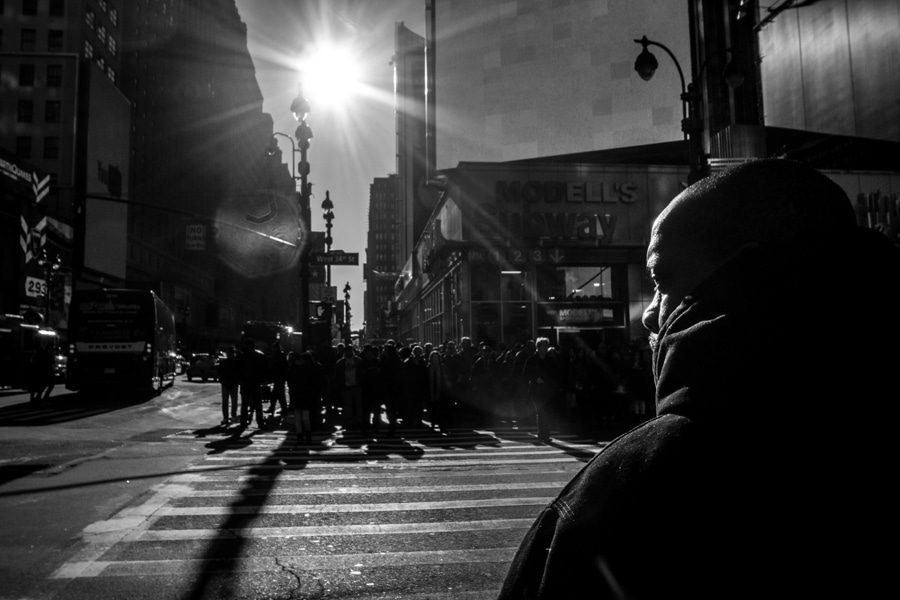
- Principles, not a style. Reddit's "Banger Factory" complaint is real: many courses and influencers teach one trendy look, like the high contrast silhouette stepping into light. Principles let you find your own voice.
- Assignments. A good course should give you photo assignments for every module, or you're just watching.
- Short lessons. You will finish a 5 minute video. You may never finish a 3 hour one.
- A clear refund policy. A money back guarantee lets you test the teaching on your own photos.
- Honesty about gaps. A good course says what it doesn't cover, like feedback or legal advice.
Popularity is not proof. As one Reddit user put it, "Just because you have a following on Instagram or YouTube doesn't mean your photos are good." Look at the photographs, not the subscriber count. Would you want to make work like the teacher's? If not, look elsewhere.
Won't a course just teach me clichés?
A bad course will. A good one teaches why pictures work, so you can make your own instead of copying a trend. The answer to clichés is understanding, not avoiding lessons.
When I edited our magazine, I saw the same images over and over, the same places shot the same way. A cliché is the same world seen in the same way. I don't think you should avoid them completely. Shooting a few is how you learn. The problem is getting stuck there.
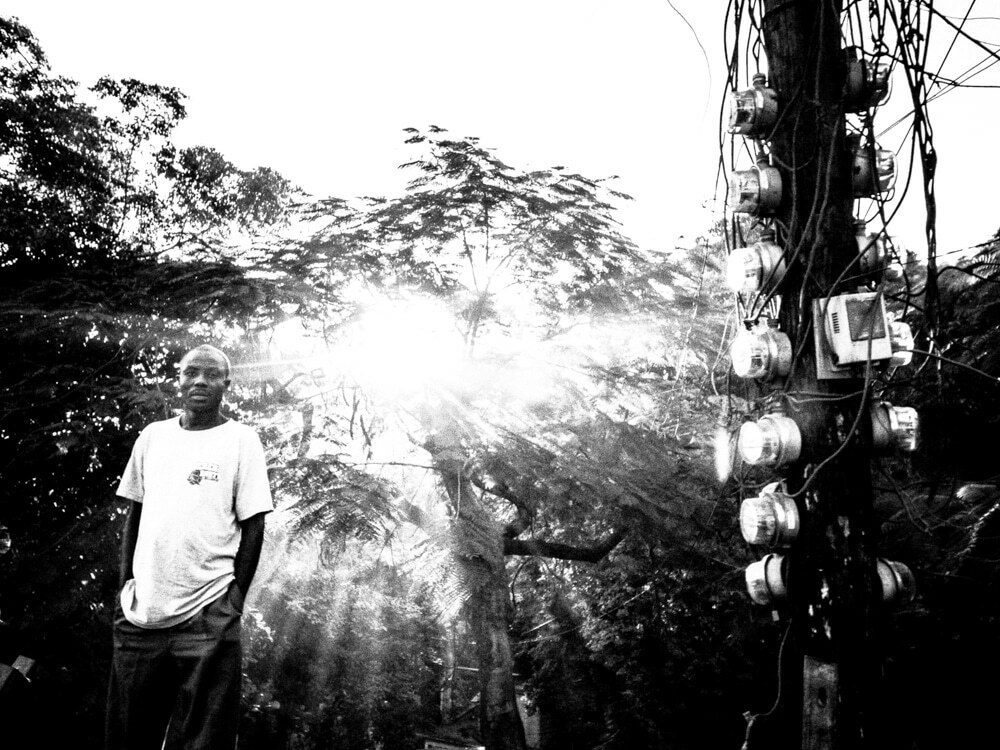
There's another trap. Most photographers name the same few masters as their inspiration, with Henri Cartier-Bresson at the top. If we all draw from the same well, we'll all get the same water. Look for lesser known photographers, and at painting and design, to find your own direction.
My honest take
Taking a course is worth it for self-directed people who shoot regularly and want a method. It's not worth it if you won't go out and practice, or if you mainly want someone to critique your work.
I built my own street photography course, Phototactic, for the first group. It's a set of 3 to 5 minute videos on composition, intent, emotion and fear, with cheat sheets and email exercises, for $297 with a 60 day money back guarantee. It has no feedback on student photos and no community. If you want the full picture, including who should skip it, read my Phototactic review. If you want to compare it with other options, the best street photography courses list covers free and paid picks.
Whatever you choose, keep taking pictures. Good photos come from hours on the street, and the photographer who keeps going is the one still improving in five years. No course or video replaces the hours.
Frequently Asked Questions
Is a street photography course worth it?
Yes, if you already shoot regularly and have stopped improving. A course gives you a sequence and assignments, which free content usually doesn't. It's not worth it if you haven't started shooting yet, or if you mainly want feedback on your own photos, since many online courses don't include that. Check the refund policy before you buy.
Can you learn street photography from YouTube?
You can learn camera settings, editing and a lot of tips from YouTube for free. What it rarely gives you is an order to learn in, or feedback on what you shoot. Many photographers watch for years without their photos changing. Use YouTube for technical skills and pair it with photo books, practice and a structured course or workshop if you plateau.
Are photography workshops worth it?
Workshops are worth it when you need live feedback or help with the fear of shooting strangers. They cost far more than online courses, often $600 or more plus travel. Before you book, research the instructor's own work and how much time goes to reviewing your photos.
Can street photography be taught?
The seeing part can. Composition, light, timing and judging your own photos are learnable skills. What can't be taught is the time on the street and the nerve to use what you learn. A good teacher speeds up pattern recognition. A bad one hands you a formula that makes your photos look like everyone else's.
Are there free street photography courses?
Yes. There are free courses and many free tutorials online, and they are a good way to start. They tend to cover basics and settings. Paid courses usually add structure and deeper lessons on composition. See our list of the best street photography courses for free and paid options.