
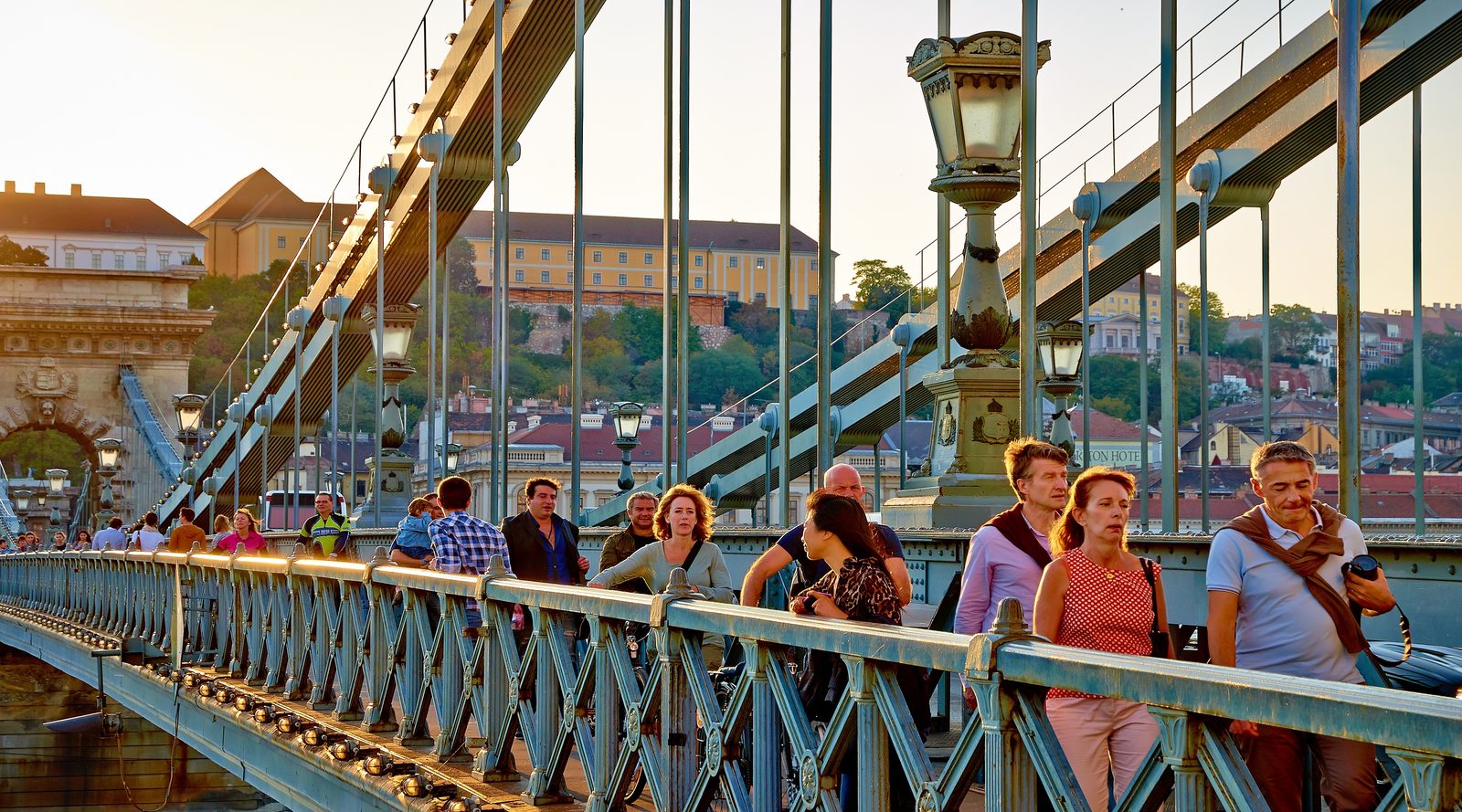
Street Photography in Budapest
Budapest mixes grand river views, yellow trams, a busy market hall and the worn courtyards and ruin bars of the Jewish Quarter, and it is still less saturated with tourists than Prague.
- Spots
- 8
- Best time
- Spring and autumn for walking weather
- Lens
- 35mm or 50mm
- Photographing people
- Strict: ask first
Budapest is good for street photography because it gives you two cities in one. Pest is flat, busy and full of trams, markets and nightlife. Buda is hilly and quieter, with the castle and the views. F.D. Walker calls it one of his favorite cities in the world, and notes it still keeps most of its authenticity because tourism has not reached Prague levels. Grand Art Nouveau buildings stand next to crumbling courtyards and flaking plaster, so your backgrounds change every block.
Marco Secchi, who runs workshops in the city, likes it for black and white work: stone textures, strong contrasts and rainy streets. Fog is common in autumn and winter, and light can be scarce outside summer. I'd plan for that rather than fight it: the bridges and the river look their best on grey days. One thing to know before you go is that Hungary has one of the stricter image laws in Europe. It is covered below.
Best street photography spots in Budapest
Fővám tér & Great Market Hall
Walker calls this square his favorite street photography spot in Budapest. You get the Great Market Hall, the end of Váci utca, the university, a busy tram stop and the river, all within a few steps. Inside the hall, light from the roof falls in patches on the stalls and shoppers. Go on a weekday morning for locals buying food. The hall is closed on Sundays. Outside, stand by the tram stop and wait for a yellow tram to frame people waiting on the platform. Watch your bag in the crowded aisles.
Liberty Bridge
Liberty Bridge is the short green bridge next to the market hall, and Walker's favorite in the city for its color and Art Nouveau ironwork. Trams cross it every few minutes. Secchi photographed a tram crossing after rain, with the wet rails pulling the eye toward Buda. On foggy days, Walker suggests heading straight for the bridges. Stand at the Pest end and shoot along the walkway so the girders repeat into the fog, then wait for one walker. Traffic is close, so stay on the footpath.
Váci utca
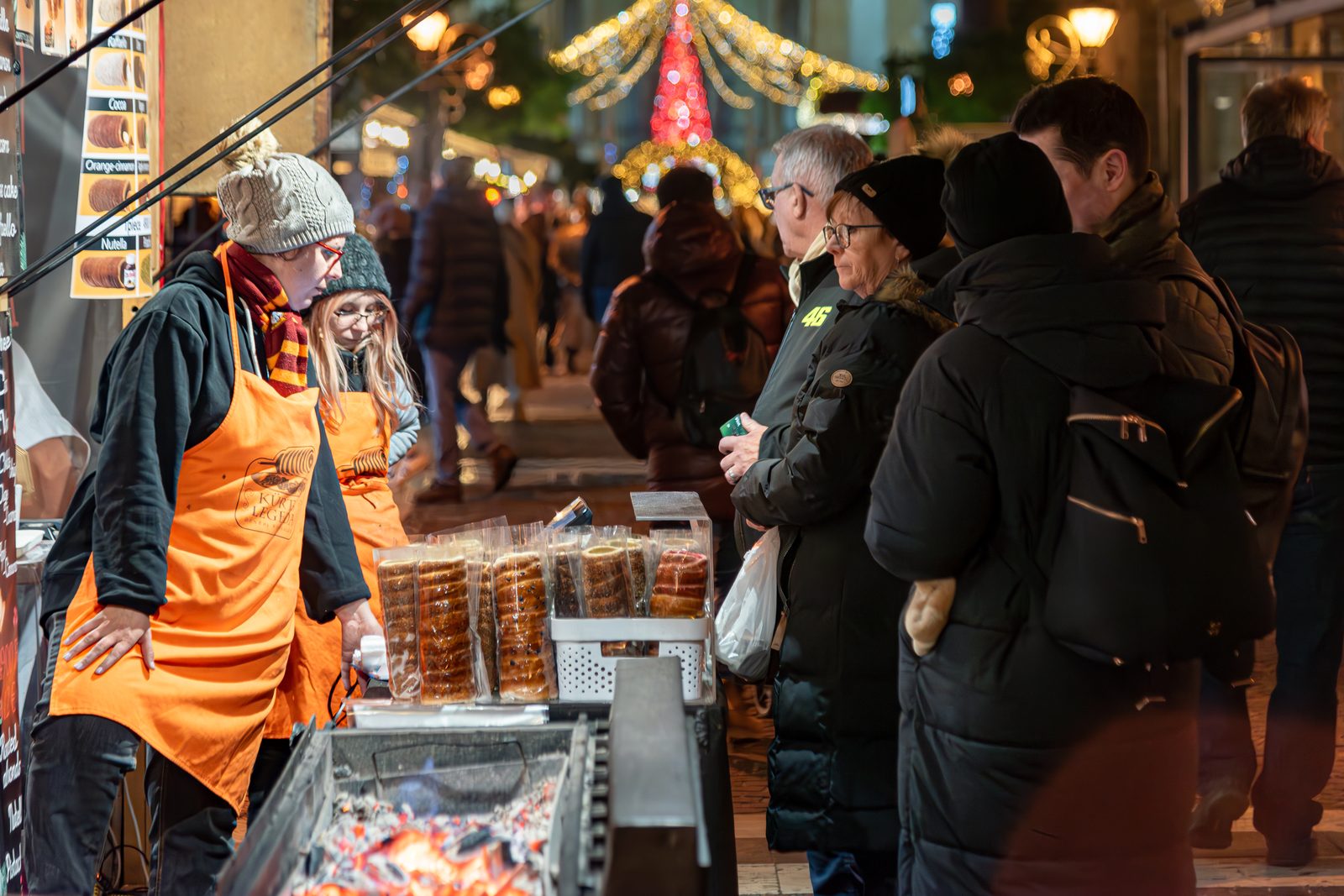
Váci utca is the main pedestrian shopping street, around a mile long from Vörösmarty tér to the market hall. It is tourist central, with shops and restaurants aimed at visitors. It is still good for people watching, and Secchi mentions street performers here. The southern half, past the Elizabeth Bridge road, is quieter and more local. From mid November into January, the Christmas fair on Vörösmarty tér draws big crowds under warm stall lights. Use shop windows for reflections. Expect touts outside restaurants.
Deák Ferenc tér
Deák Ferenc tér is the main metro junction in the center, where three metro lines meet. It is one of the most common meeting points in Budapest, lively from morning to late at night. Next to it, Erzsébet tér is a park where students and young people sit on the grass and steps. I'd start a day of shooting here, because it is central and always busy. Stand near the metro exits for commuters coming up the stairs into the light. In the park, shoot low and wide around groups.
Jewish Quarter & Kazinczy utca
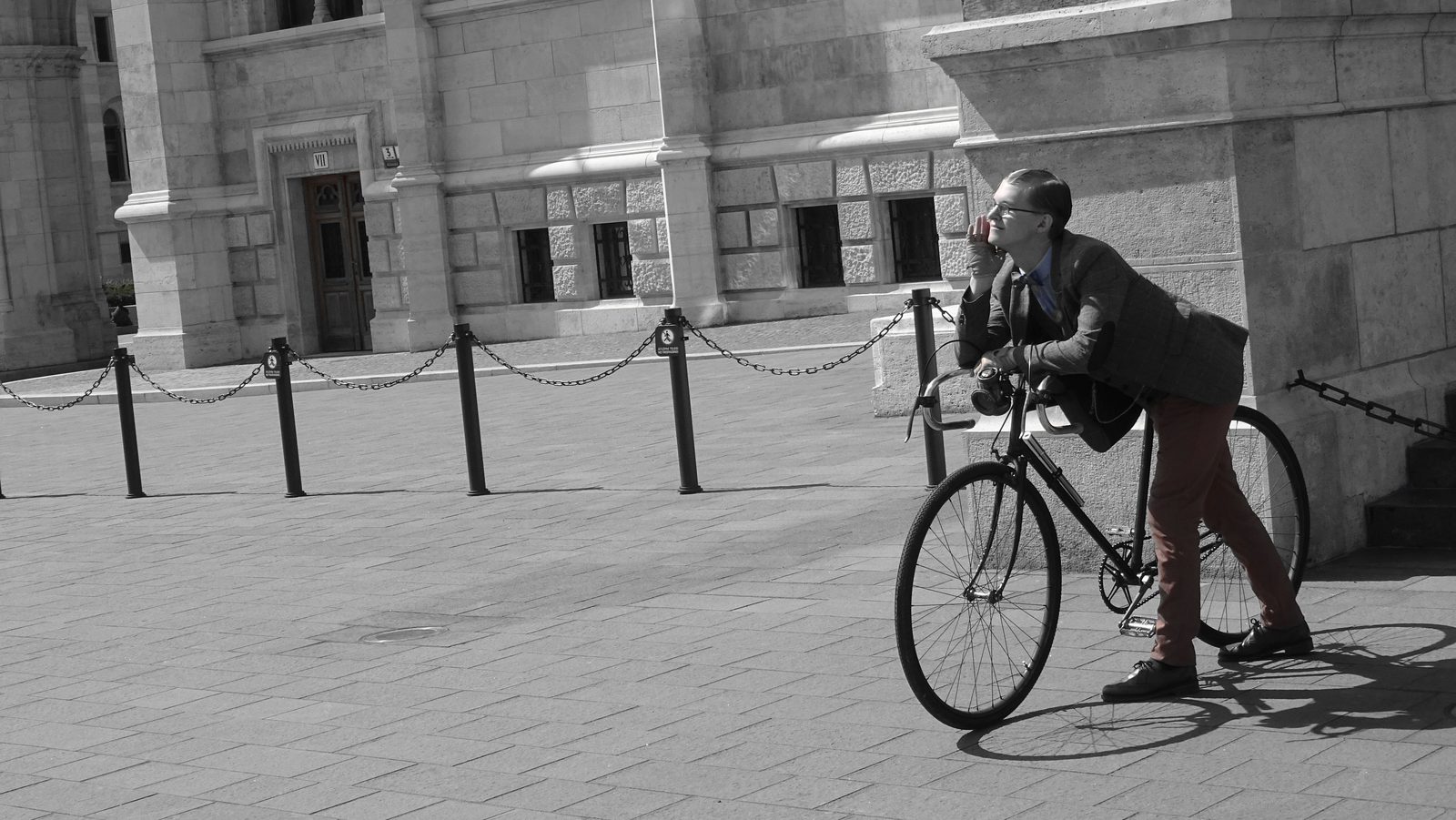
The Jewish Quarter in District VII held the World War II ghetto and has the Dohány Street Synagogue, the largest in Europe. Walker describes a contrast of crumbling buildings and new apartments, narrow streets and a young crowd. Kazinczy utca has Szimpla Kert, the best known ruin bar, in an old building full of rooms. By day, look into open courtyards and at worn facades with a single passerby. After dark, the streets fill with bar crowds. Raise your ISO and use bar light. Be respectful near synagogues and memorials.
Castle District & Fisherman's Bastion
Castle Hill on the Buda side has the Royal Palace, Fisherman's Bastion, medieval houses and crooked streets that follow the hill. It is the most touristy area in the city, but Walker says it is still worth a visit for street work. Secchi suggests early morning and late afternoon for long shadows. The white turrets and arches of the Bastion make frames for people looking out over the river. Go early to avoid tour groups. The Bastion's upper terraces may charge an entry fee in the day, so check before you go.
Danube Promenade (Pest side)
The river walk on the Pest side runs past the Parliament and the Chain Bridge, with trams running along the embankment. Walker found plenty of good street photography on the river walk. Secchi suggests looking for small moments here, such as an old couple walking along the Danube. In fog, walkers fade into the river and bridges. The Shoes on the Danube memorial honors Jews shot here in 1944 and 1945. Photograph it with respect, and do not pose people on it. Some stretches feel rough late at night.
Heroes' Square & City Park
Heroes' Square is a huge open square with statues of Hungarian leaders, at the end of Andrássy út. It is busy day and night, and Walker suggests visiting more than once to see the change. Next door, City Park is the largest park in Budapest, with a lake, benches, a castle replica and the zoo nearby. The open space is good for small figures against big shapes. In the park, look for dog walkers: Walker calls Budapest a dog city. Midday light here is harsh, so come late afternoon.
Photographing people in Budapest
Strict: local law or custom protects people's image. Ask first, or keep faces out of frame.
Hungary is stricter than most of Europe. Section 2:48 of the Civil Code, in force since March 2014, says you need a person's consent to record and use their image. There are exceptions for crowds and for public events, but the law does not define how many people make a crowd. Wikipedia's summary notes that implied consent exists: photographing someone who does not actively object is not illegal. Walker reports the rule has barely been enforced, and he had no trouble even around police. This is general information, not legal advice. See is street photography legal.
In practice, frame people as part of a scene rather than a single portrait, and ask when one person is clearly the subject. Walker got more refusals here than in other Eastern European cities, but never anger. If someone asks you to delete a photo, do it.
General information, not legal advice. More in is street photography legal?
What to photograph in Budapest
- Yellow trams along the Grand Boulevard, the river and the bridges.
- Crumbling facades and courtyards, with flaking plaster next to restored buildings.
- Dogs and their owners. Walker notes people walk dogs everywhere, especially French Bulldogs and pugs.
- Fog on the Danube in autumn and winter.
- Ruin bars and night crowds in District VII.
- Market life in the Great Market Hall and around Fővám tér.
- Rain reflections on tram rails and cobbles, which Secchi recommends for moody black and white.
A one-day photo walk
- 8:00, Castle District. Take bus 16 or walk up from the Chain Bridge. Shoot the Bastion and the lanes before the groups. About 90 minutes.
- 10:00, Danube Promenade. Cross back to Pest and walk south along the river. About 30 minutes.
- 11:00, Váci utca. Walk the street south toward the market. About an hour.
- 12:30, Fővám tér and Great Market Hall. Lunch upstairs in the hall, then work the tram stop and Liberty Bridge.
- 16:00, Deák Ferenc tér. About 20 minutes on foot or a tram ride north. Late light on the park and commuters.
- After dark, Jewish Quarter. A 10 minute walk east to Kazinczy utca for ruin bars and night crowds.
When to shoot
Spring and autumn for walking weather. Fog on the river in autumn and winter. Christmas fair from mid November into January. Early morning and late afternoon for low light.
The light
Soft in the morning and late afternoon. Frequent fog and grey days in autumn and winter, when light is scarce. Rain gives reflections on tram tracks and cobbles.
What to bring
A 35mm or 50mm prime. A fast lens or a body that handles high ISO for the dark autumn and winter months and ruin bars at night.
Safety
Safer than most big cities. Usual pickpocket care in crowds and on trams. Some parts of the river walk and areas around metro stations feel rough late at night.
Tips for Budapest
- Season: spring and autumn for walking. Light is scarce in winter, so bring a fast lens.
- Fog: on grey days, go straight to the Liberty Bridge and the Chain Bridge.
- Trams: lines on the Grand Boulevard curve past many good spots. Use them to hop between areas.
- Christmas fair: Vörösmarty tér from mid November into January.
- Lens: a 35mm for the Jewish Quarter and the market, a 50mm for the river. See best lens for street photography.
- Night: ruin bars are dark. Use a high ISO and a fast shutter rather than flash. More in street photography settings.
- Views: Secchi suggests high points like the Citadel for looking down on the city.
Frequently asked questions
Is street photography legal in Budapest?
STRICT. Hungary's 2014 Civil Code (section 2:48) requires consent to record and use a person's image, with exceptions for crowds and public events. Implied consent is generally accepted when a person does not object. The rule is vague and rarely enforced against street photographers, but ask when someone is the clear subject.
Where are the best street photography spots in Budapest?
Start with Fővám tér & Great Market Hall, Liberty Bridge, Váci utca, Deák Ferenc tér. Market hall, trams, students and the river in one square. Shadow and light inside the hall. Closed Sundays.
When is the best time for street photography in Budapest?
Spring and autumn for walking weather. Fog on the river in autumn and winter. Christmas fair from mid November into January. Early morning and late afternoon for low light.
What lens should I bring to Budapest?
A 35mm or 50mm prime. A fast lens or a body that handles high ISO for the dark autumn and winter months and ruin bars at night.
Is Budapest safe for street photographers?
Safer than most big cities. Usual pickpocket care in crowds and on trams. Some parts of the river walk and areas around metro stations feel rough late at night.