
Street Photography in Seattle
Moody, even light and a compact downtown that reward patient work in rain, reflections and night scenes.
- Spots
- 6
- Best time
- July to September for dry weather
- Lens
- 35mm
- Photographing people
- Generally allowed
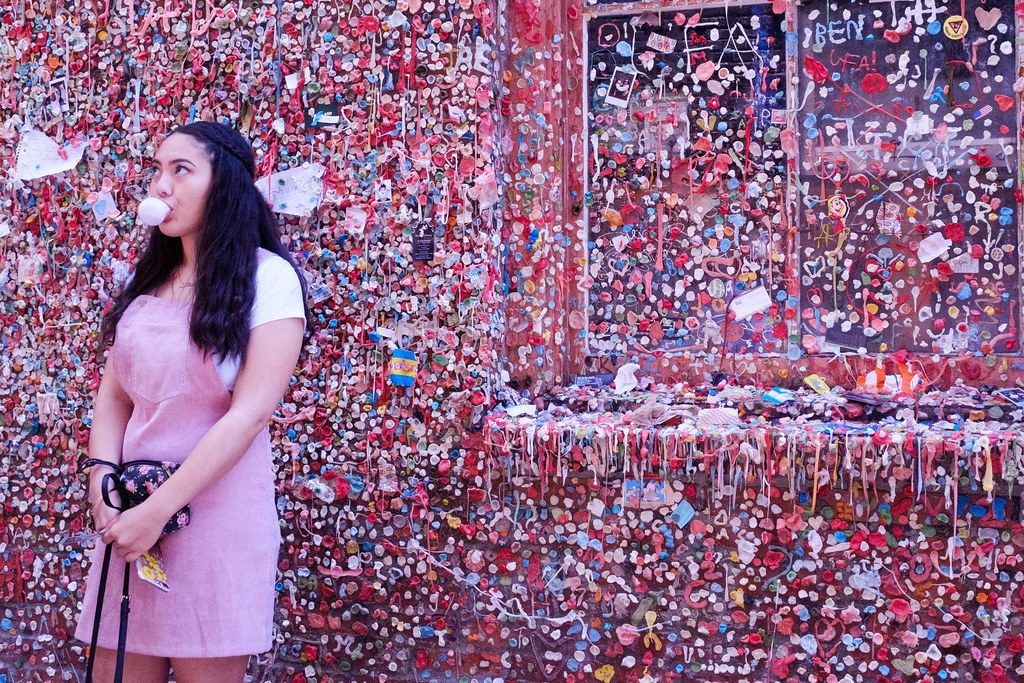
Seattle is a good city for street photography if you like mood more than sunshine. The light is grey and even for much of the year, and rain gives you umbrellas and reflections on almost any afternoon from autumn to spring. Pike Place Market alone can fill a morning, and Nick Gunn of Gunairy calls it one of his all-time favorite street locations.
The flat light is a feature, not a flaw. Nick argues that even grey light is easier to work with, because the exposure stays steady while you focus on timing. I'd lean into it: shoot black and white and look for pools of neon and shop light once the early winter dark arrives around 16:30. Summer, July to September, is dry and bright and brings the city outdoors.
Best street photography spots in Seattle
Pike Place Market
Produce and seafood stalls open at 7:00 and the merchant building at 9:00, so come early to see vendors setting up before the tour groups arrive. The fishmongers under the Public Market sign throw fish for the crowd, which gives you raised arms and open mouths to time. Nick Gunn points to the dim lower levels for moody work: don't be afraid of 1/30 s and let motion blur and grain become part of the picture. Stand at the end of a stall row with the neon behind the crowd for layered frames. It is packed by late morning, so watch your bag and give vendors room.
Pioneer Square
Seattle's oldest neighborhood has brick buildings and cast iron pergolas. Smith Tower, the city's first skyscraper, rises over it. The street life is mixed: office workers and gallery visitors alongside people who live rough. The first Thursday of each month brings an evening art walk and bigger crowds. Late afternoon light glows on the brick when the sun does come out. Use the pergola in Pioneer Place as a frame and wait for a figure under it. Be respectful of unhoused people, and don't make them the punchline of a frame.
International District & Chinatown
The Chinatown-International District mixes Chinese, Japanese, Vietnamese and Filipino businesses. You get bilingual signage, grocery shoppers with bags, bakeries and elders in Hing Hay Park in the morning. King Street Station, with its clock tower, sits at the edge of the neighborhood and gives you travelers with luggage. Mornings are best for daily life, and the signs make good backgrounds at dusk. Frame a shopper through a steamed-up shop window, or use the red pavilion in Hing Hay Park as a backdrop. Many residents are older and not keen on cameras, so ask before close portraits.
Capitol Hill (Broadway, Pike/Pine)
Capitol Hill is Seattle's nightlife district and the heart of its LGBTQ+ culture. The Pike/Pine corridor has bars and music venues in old auto-row buildings, and Broadway is the main strip for people watching. People dress with personality here, which makes it the best neighborhood for style. Come after dark on Friday or Saturday, when queues form outside the bars and shop light spills onto wet streets. Stand at a crosswalk on Pike and shoot pedestrians backlit by car headlights. The rainbow crosswalks around Broadway add color. Crowds get rowdy late, so stay friendly and put the camera down if asked.
Westlake Center & downtown
Westlake Park is the crossroads of downtown: shoppers, commuters, buskers and protesters all pass through, and the Monorail leaves from Westlake Center for Seattle Center. Maria Shimizu Christensen photographed the statues in the park and had to look twice to check they weren't performers. That kind of double take is worth hunting. Come at lunchtime or the evening rush for the most people. The glass towers make big reflections on grey days, so shoot a walker through a window with the street layered on top. Keep your wits about you along 3rd Avenue, especially after dark.
Seattle Center & Space Needle
Seattle Center is the old 1962 World's Fair grounds, now a park of lawns and venues under the Space Needle. On summer days kids run through the International Fountain, which is one of the best spots in the city for gesture and joy. The grounds host big festivals, including Northwest Folklife on Memorial Day weekend and Bumbershoot in early September. Go on a warm afternoon and stand low at the fountain edge with the spray backlit. Families are the main subject here, so be careful with children and ask a parent if a kid is the whole picture.
Photographing people in Seattle
In the United States it is legal to photograph people in public places, where there is no reasonable expectation of privacy, and you can publish for editorial or artistic use without a release. Commercial use, such as advertising, needs consent, and Washington has its own law protecting a person's name and likeness from commercial use. If you shoot video with sound, note that Washington requires every party's consent to record a private conversation. Private property like malls and the market buildings can set their own rules. This is general information, not legal advice. See is street photography legal.
Culturally, Seattleites are polite but reserved, and a long lens on one person reads as creepy. Work close with a wide lens and nod if you make eye contact. Vendors at Pike Place are used to cameras, but buying something first helps.
General information, not legal advice. More in is street photography legal?
What to photograph in Seattle
- Rain. Umbrellas, hoods, wet pavement and misted windows. Iconic Photography notes that black and white suits the rainy mood, though color works too.
- Reflections in puddles and in the glass towers downtown.
- Market vendors at Pike Place: fishmongers and flower sellers.
- Coffee culture. People reading or working behind café windows, which you can shoot from the street with reflections layered on top.
- Ferry commuters on the waterfront, with Puget Sound behind them.
- Fremont. Iconic Photography recommends this quirky neighborhood north of downtown for street performers and artists, with an offbeat feel.
- Night. Neon at the market and bar light on Capitol Hill.
- Contrasts between tech workers and the city's visible homelessness, handled with care.
A one-day photo walk
- 7:30, Pike Place Market. Arrive while stalls set up. Stay about 2 hours, then walk down to the waterfront for ferry commuters.
- 10:30, Pioneer Square. Walk along 1st Avenue or the waterfront, about 20 minutes.
- 12:00, International District. A 10 minute walk east. Lunch, then Hing Hay Park and King Street Station.
- 14:00, Westlake Center. Light rail from International District/Chinatown to Westlake, under 10 minutes.
- 15:30, Seattle Center. The Monorail from Westlake Center, about 2 minutes. Stay for late afternoon at the fountain.
- Evening, Capitol Hill. Bus or rideshare to Broadway, about 15 minutes, or light rail from Westlake to Capitol Hill station. Shoot Pike/Pine after dark.
When to shoot
July to September for dry weather; rainy season for reflections and umbrellas.
The light
Flat, soft overcast light most of the year; work with it, or with grain at night.
What to bring
35mm; a weather-sealed camera; fast lens for dark winter afternoons.
Safety
Downtown is fine by day; stay alert around 3rd Avenue at night.
Tips for Seattle
- Weather sealing: the rain is usually light and long rather than heavy, so a sealed body and a hood keep you shooting.
- Lens: a 35mm, and a fast one for winter afternoons. See best lens for street photography.
- Slow shutter: Nick Gunn uses 1/30 s to 1/80 s in dim spots and treats blur and grain as tools. More in street photography settings.
- Season: July to September is dry and bright. October to April is grey and wet, and it gets dark before 17:00 in midwinter.
- Festivals: Northwest Folklife over Memorial Day weekend and Bumbershoot on 5 and 6 September 2026, both at Seattle Center.
- First Thursday: the Pioneer Square art walk on the first Thursday evening of each month.
Frequently asked questions
Is street photography legal in Seattle?
Permissive. Legal to photograph in public.
Where are the best street photography spots in Seattle?
Start with Pike Place Market, Pioneer Square, International District & Chinatown, Capitol Hill (Broadway, Pike/Pine). Fish throwers, crowds and market light.
When is the best time for street photography in Seattle?
July to September for dry weather; rainy season for reflections and umbrellas.
What lens should I bring to Seattle?
35mm; a weather-sealed camera; fast lens for dark winter afternoons.
Is Seattle safe for street photographers?
Downtown is fine by day; stay alert around 3rd Avenue at night.